
Updated Nissan Juke: What Changed in Design, Tech and Driving
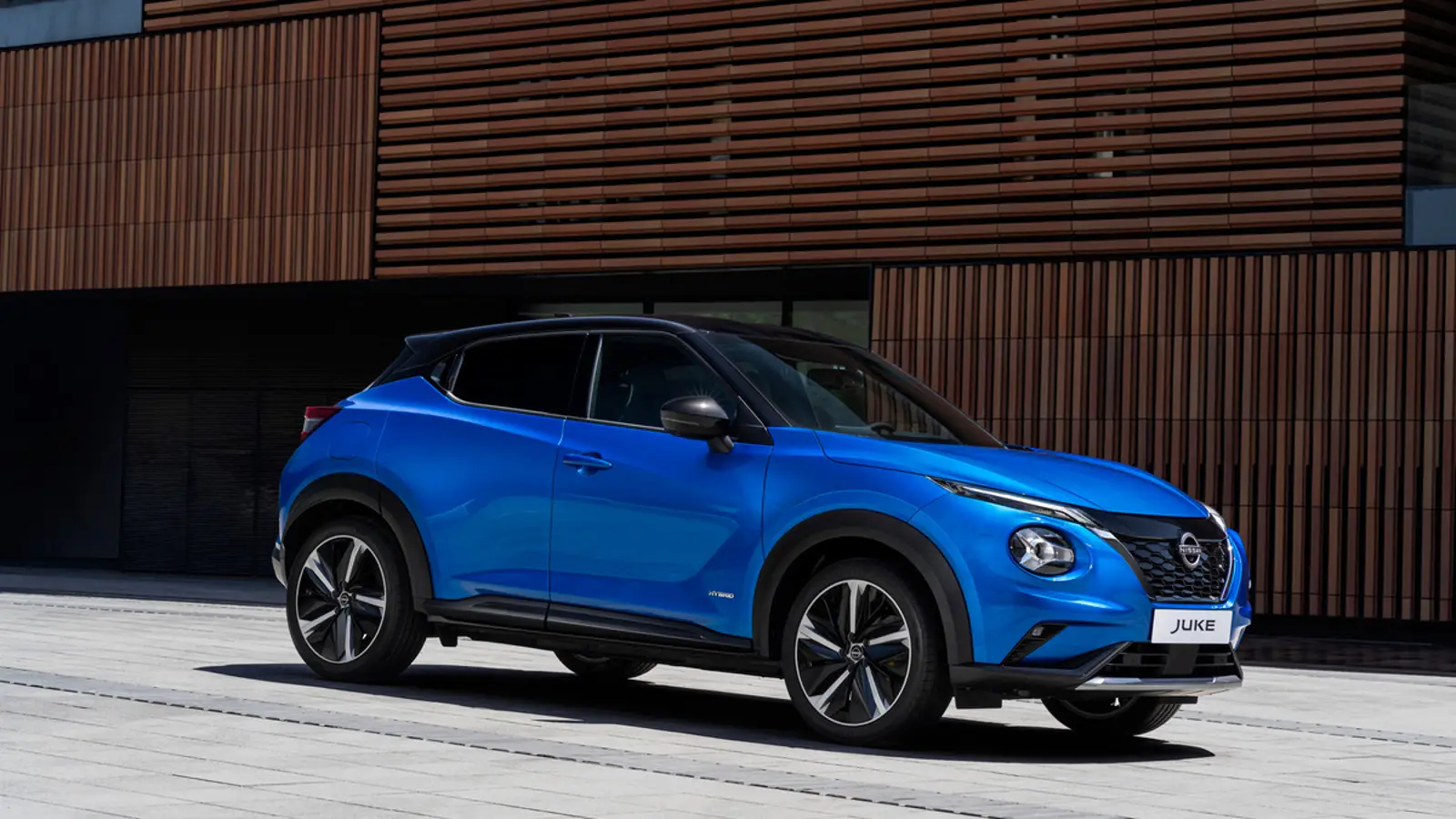
Nissan presented an updated Juke in 2024, keeping its bold design while improving interior technology, hybrid efficiency and everyday usability. Explore the details.
The Nissan Juke has never been a car designed to blend quietly into the background. From the moment it appeared, it divided opinion — and that polarising character remains central to the updated second-generation model introduced in spring 2024.
Visually, little has changed, and that is very much the point. Apart from the addition of a bright new Iconic Yellow paint option, the Juke keeps its distinctive shape intact. Nissan has resisted the temptation to soften the design, preserving a look that mixes elements of a sports coupe, a hatchback and a compact SUV. Love it or not, it remains one of the most recognisable small crossovers on the road.
The real evolution becomes clear once inside. The cabin now feels noticeably more modern thanks to a new 12.3-inch Nissan Connect central touchscreen, nearly 50 percent larger than before. A matching digital instrument display replaces traditional analogue dials across most of the range. Practical touches have also been improved, including a larger glovebox, a redesigned armrest and the wider availability of wireless smartphone charging.
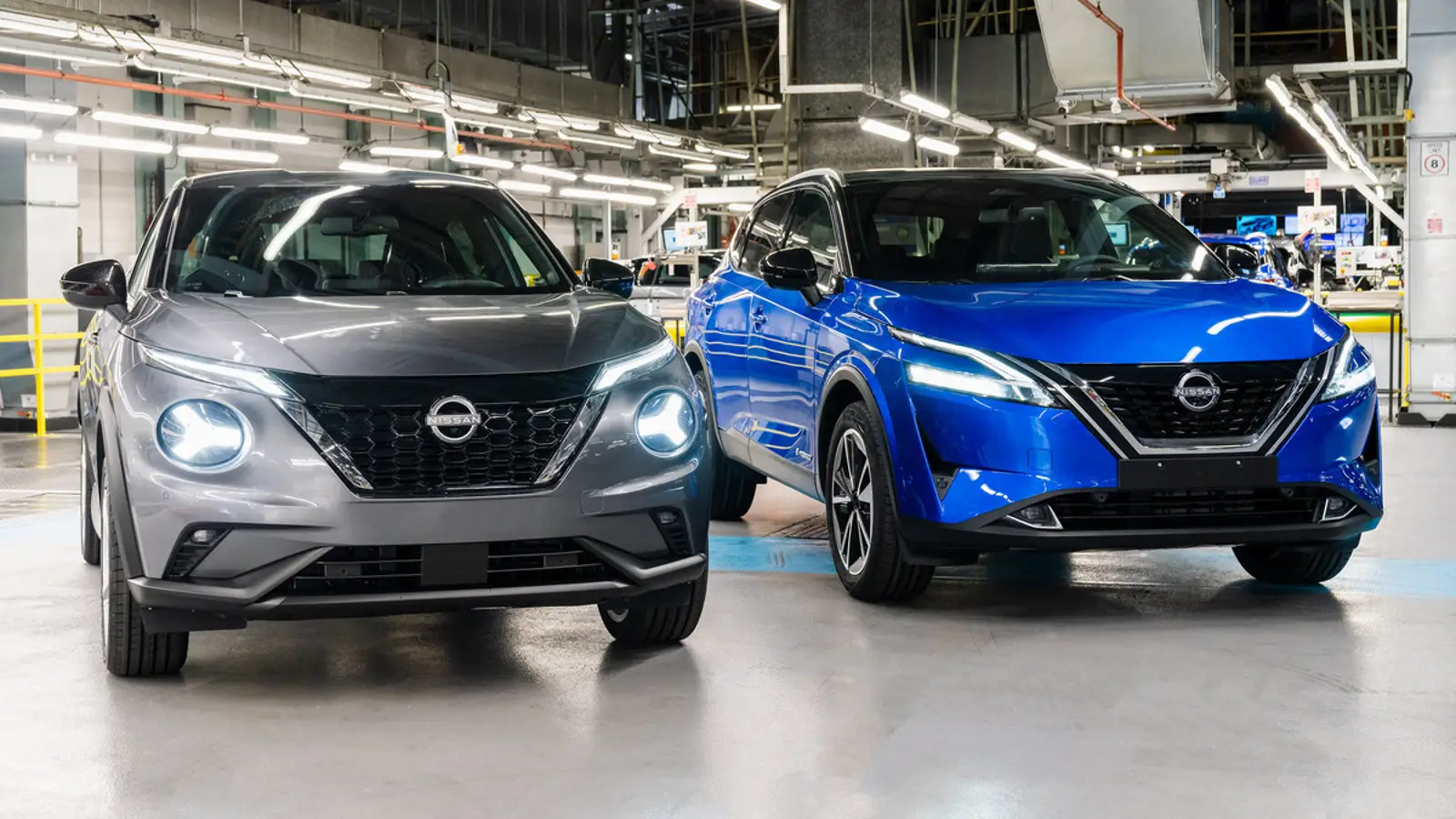
Under the skin, the mechanical setup is familiar. Buyers can still choose between a conventional 1.0-litre three-cylinder petrol engine and a more complex full hybrid system. The hybrid stands out as a genuinely sophisticated option, capable of starting in electric mode and covering short urban distances without engaging the petrol engine. This makes it particularly well suited to city driving, where efficiency matters most.
On the road, the Juke continues to punch above its weight dynamically. Despite its short, tall stance, it delivers a confident and engaging drive, helped by increased body rigidity and Nissan’s Active Trace Control system. Subtle braking inputs through corners sharpen the car’s responses, giving it a level of agility that many rivals in the segment struggle to match.
That focus on handling does come with compromises. Larger wheel options, especially the 19-inch rims fitted to higher trims, bring a firmer ride that can feel harsh on uneven urban surfaces. For many drivers, smaller wheels offer a better balance between comfort and control.
Space and practicality remain secondary priorities. Rear-seat room has improved compared with the original Juke, but it still lags behind some competitors. Boot capacity is respectable in petrol versions and slightly reduced in the hybrid due to battery packaging, reinforcing the idea that this is a lifestyle-oriented crossover rather than a family workhorse.
Ultimately, the updated Nissan Juke stays true to its original formula. It is not designed to be the most rational choice in its class, but for buyers who value distinctive design, engaging road manners and a strong sense of personality, it continues to offer something that many small SUVs simply do not.
Allen Garwin
2026, Jan 08 19:15