
Why 2026 Marks a Turning Point for the U.S. Electric Vehicle Market
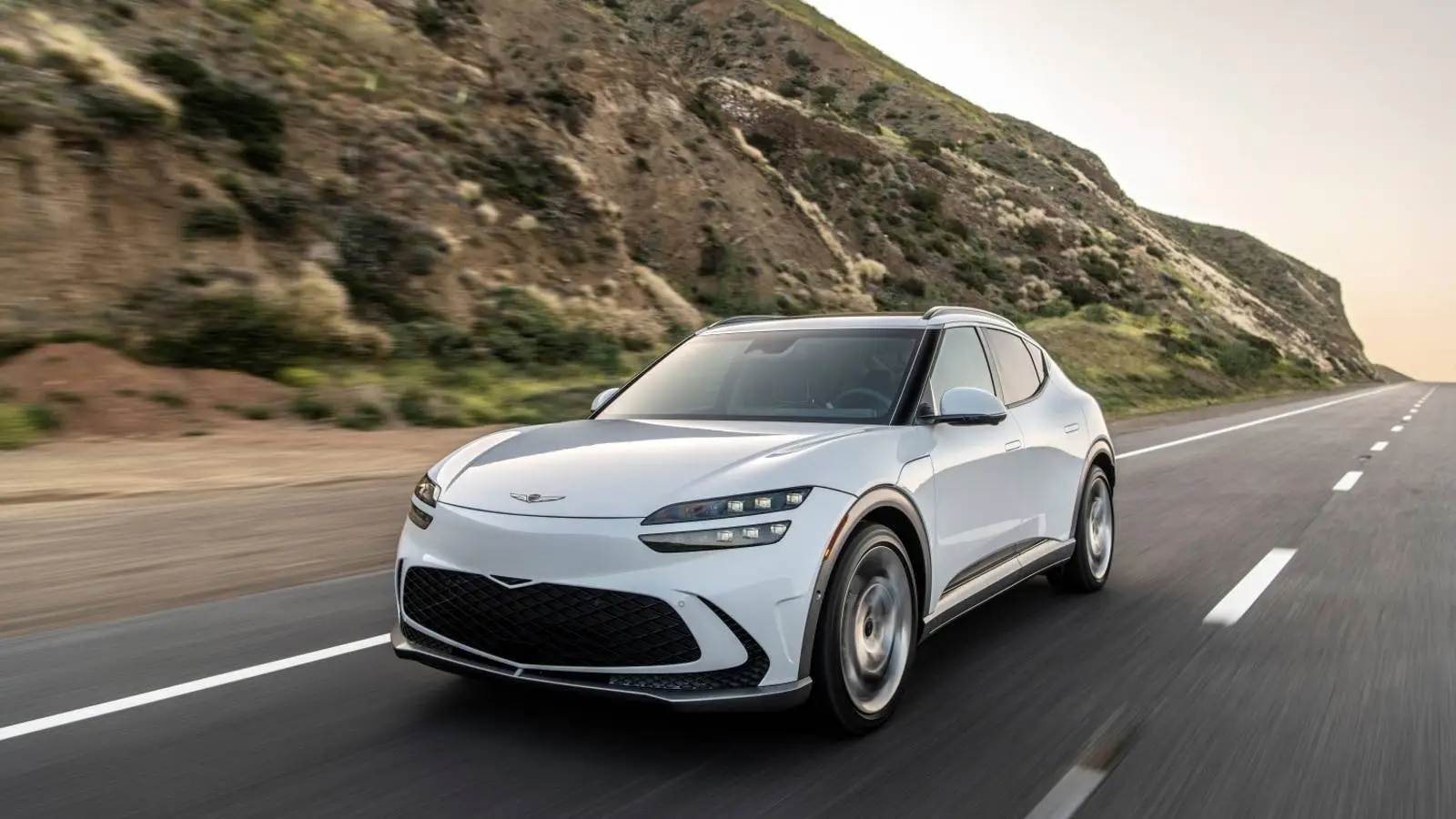
In 2026, 32 new electric vehicles are set to enter the U.S. market, signaling a shift toward a more mature EV era, as reported by industry analysts. Explore what this means.
The year 2026 is shaping up as a clear sign of maturity for the U.S. electric vehicle market. Talk of fading interest no longer holds much weight, as automakers are preparing to introduce 32 new electric models, even before counting major updates to existing vehicles. Rather than isolated experiments, the market is seeing a dense and varied wave of launches, spanning affordable daily drivers and technology-heavy flagships alike.
The most important shift is happening beneath the surface. An increasing number of EVs are being designed as software-defined vehicles, where digital platforms play a central role in the ownership experience. Over-the-air updates, proprietary operating systems, and built-in assistants are becoming core elements, shaping vehicle architectures meant to evolve over time rather than age prematurely.
At the same time, manufacturers are addressing long-standing practical concerns. The return of lower-cost EVs with LFP batteries, improved fast charging, and heat pumps signals a renewed focus on everyday usability and ownership costs. As government incentives fade, these efficiency-driven choices are becoming essential for reaching a broader audience.
Progress is equally visible at the premium end of the spectrum. 800-volt platforms and charging rates approaching 400 kilowatts are no longer niche features, dramatically reducing charging stops on long journeys. New conveniences are also emerging, including inductive charging systems that remove the cable from daily routines.
Another defining trend is the search for workable solutions for large and heavy vehicles. Extended-range electric vehicles (EREVs), which pair electric drive with a gasoline-powered generator, are increasingly viewed as a transitional answer for full-size SUVs and trucks, where fully electric setups still face practical limits.
Taken as a whole, 2026 does not look like a turning point away from electrification, but rather a moment of consolidation. Electric vehicles are moving beyond niche appeal and settling into the mainstream, offering diverse technologies and use cases that reflect real-world demands rather than abstract promises.
Allen Garwin
2026, Jan 11 10:38