
California Plans New EV Incentives After Federal Tax Credit Expiration
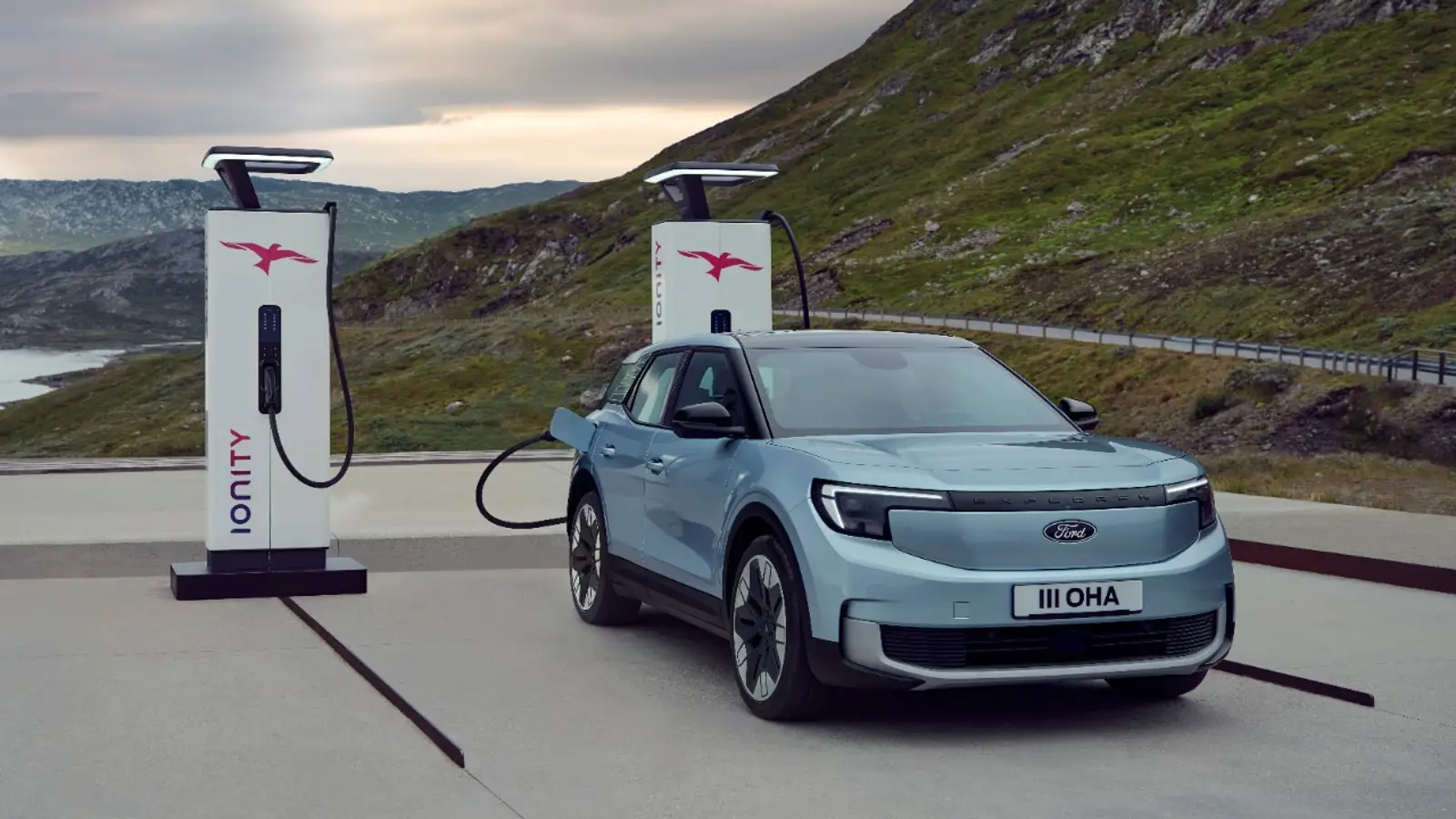
California is considering a $200 million EV incentive after the federal $7,500 tax credit expired, as officials respond to slowing electric vehicle sales.
After the federal $7,500 tax credit for electric vehicles expired, the U.S. EV market entered a period of visible slowdown. The shift became especially clear toward the end of 2025, when a rush to buy before the incentive ended was followed by a sharp drop in demand. Against this backdrop, California is considering a new $200 million incentive program aimed at reviving EV sales and stabilizing the market.
The federal credit officially ended on September 30, 2025. In the months leading up to that deadline, EV sales surged, pushing the U.S. market to record quarterly volumes. Once the incentive disappeared, however, momentum faded. Fourth-quarter deliveries declined, and several automakers reported significant year-over-year drops in electric vehicle sales.
California finds itself at the center of this transition. The state remains the nation’s leader in EV adoption, with nearly 30 percent of new vehicle sales classified as zero-emission vehicles in the third quarter of 2025. At the same time, the loss of federal support has reinforced one of the market’s biggest obstacles: price. Most electric vehicles still sell well above the $30,000 mark, and genuinely affordable options remain limited.
State officials are now weighing how a new incentive could offset that pressure. While the proposed program’s structure has yet to be finalized, regulators have acknowledged that details such as per-vehicle rebate amounts and eligibility criteria are still undecided. Even so, the scale of the proposal signals an effort to cushion the market from further contraction following the end of federal subsidies.
Automakers’ responses underline the challenge ahead. Some manufacturers have adjusted electrification plans, recorded write-downs, or shifted focus within their lineups as demand softens. At the same time, expectations are building around upcoming lower-priced electric models, which could play a critical role in broadening adoption if pricing barriers can be reduced.
These developments are closely tied to California’s long-term mandate to reach 100 percent zero-emission new vehicle sales by 2035. Recent market volatility has raised questions about how smoothly that transition will unfold. The proposed incentive program may serve as an early indicator of whether state-level measures can sustain EV momentum in the absence of federal support—or whether deeper structural changes will be required to keep electrification on track.
Allen Garwin
2026, Jan 11 13:01