
Citroen DS and the Engineering Ideas That Changed Car Design
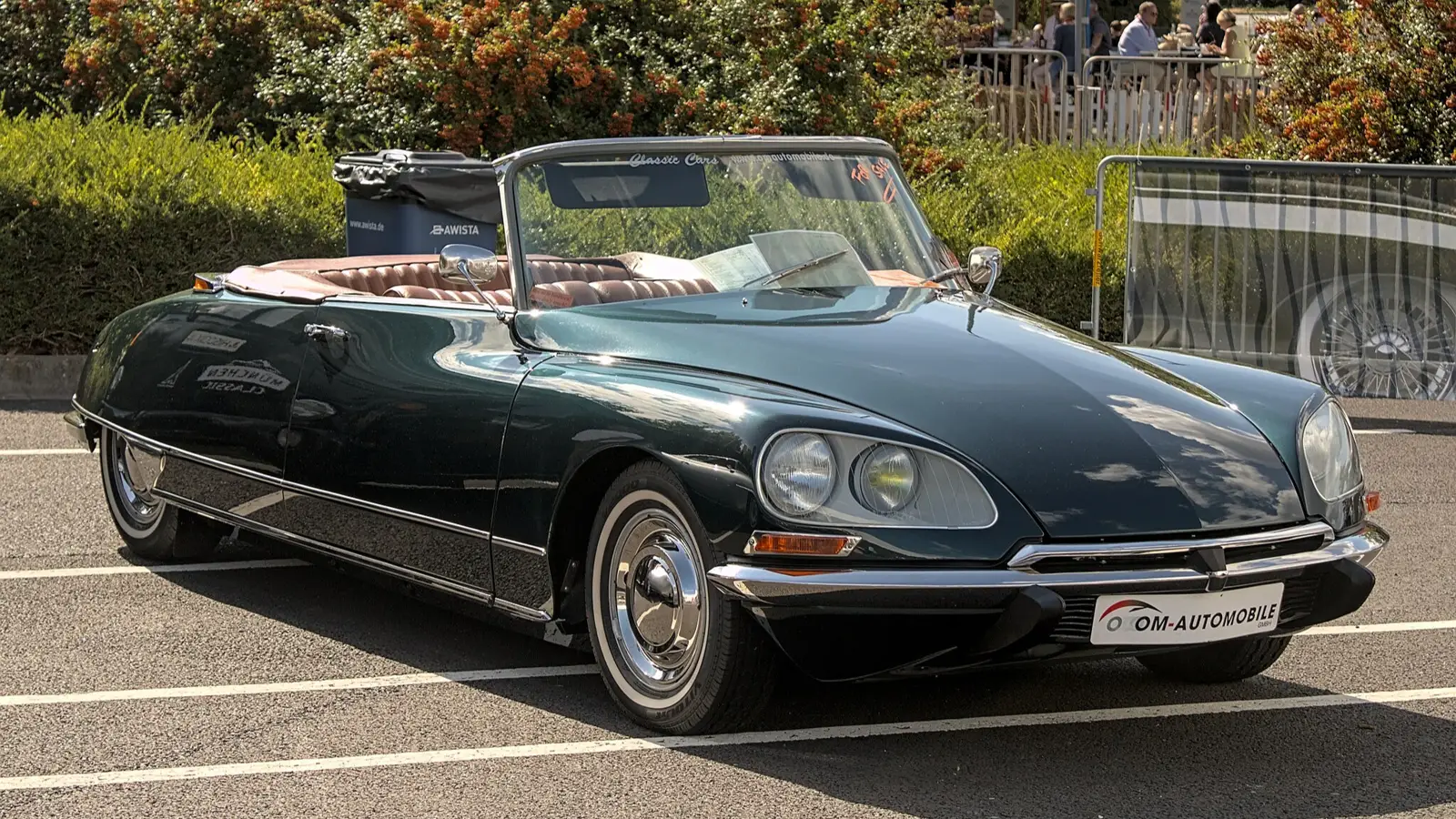

Introduced by Citroen in 1955, the DS brought hydropneumatic suspension, disc brakes, and directional headlights, influencing automotive engineering. Explore its legacy.
Citroën DS is rarely described as just a car. From the moment it appeared, it seemed to belong to a different category altogether. Even its name became part of the legend: pronounced in French, “DS” sounds like déesse, meaning “goddess.” This was not a marketing slogan but a reflection of how radically different the car felt to those who first encountered it.
When the DS debuted at the Paris Motor Show in October 1955, the reaction was immediate and unprecedented. Around 12,000 orders were placed on the first day alone, a figure unheard of at the time. The excitement was driven not only by its futuristic shape but by the technology hidden beneath the bodywork.
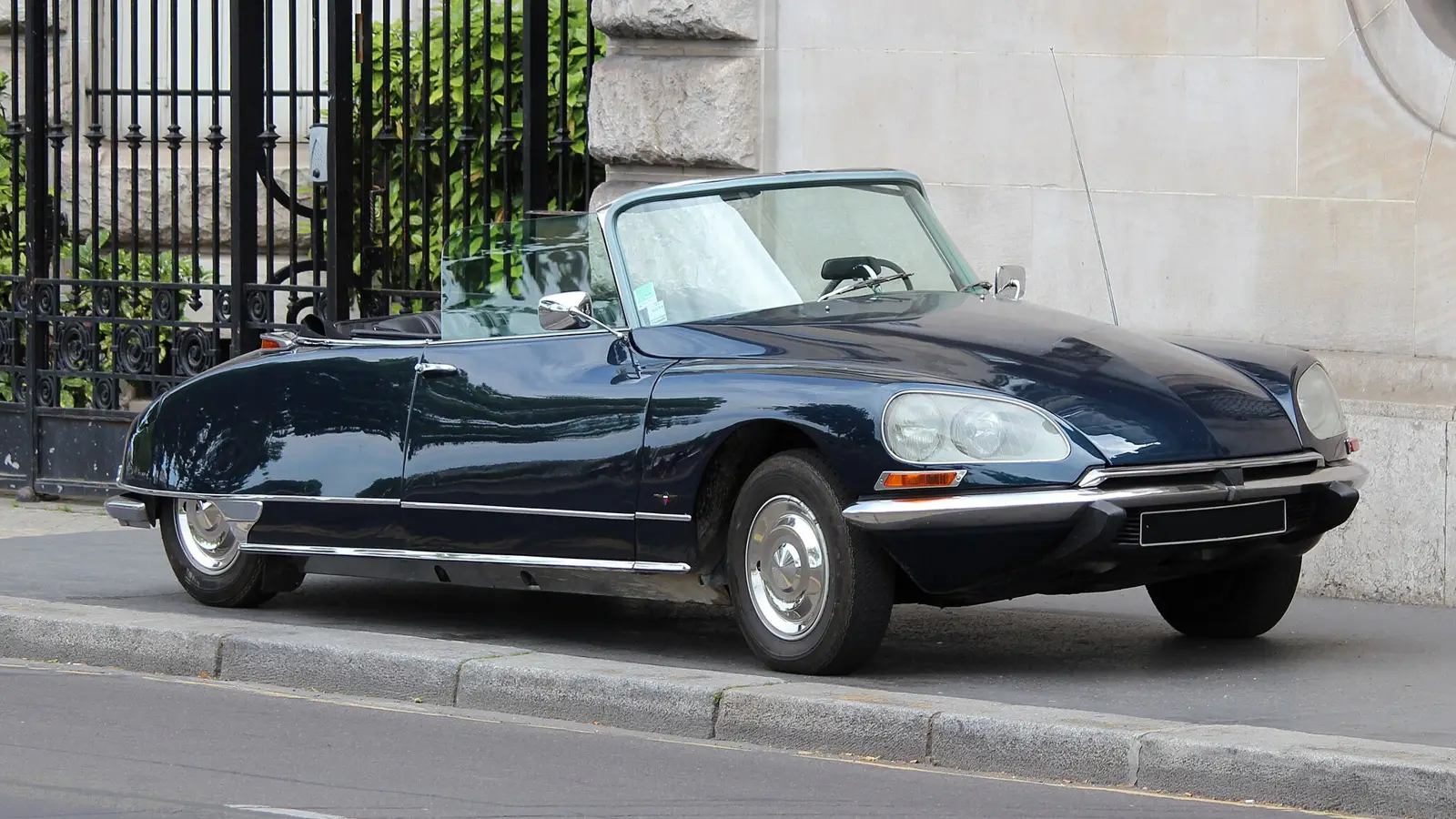

At the heart of the DS was its hydropneumatic suspension, developed by engineer Paul Magès. Instead of conventional springs, the system relied on pressurized hydraulic fluid and gas, allowing the car to maintain a constant ride height regardless of load. Whether lightly loaded or carrying several passengers, the DS behaved the same on the road. The driver could even manually select different ride heights, a feature that seemed far ahead of its era in the mid-1950s.
This hydraulic thinking extended throughout the vehicle. The DS was equipped with inboard front disc brakes, an unusual and technically demanding solution that reduced unsprung mass. It is widely regarded as the first mass-produced car in which disc brakes were applied successfully on a large scale, rather than as a limited experiment.

The transmission followed the same unconventional logic. Citroën offered a semi-automatic gearbox that worked without a clutch pedal. Gear changes were managed hydraulically, disengaging and re-engaging the clutch automatically. For the driver, this resulted in an unexpectedly smooth and calm driving experience, particularly in urban conditions.
After the 1967 facelift, the DS introduced another innovation that would later become common: directional headlights. The inner headlights mechanically followed the steering input, illuminating the road through a corner before the car fully entered it. Today this idea feels familiar, but in the late 1960s it was a rare example of forward-looking safety engineering.
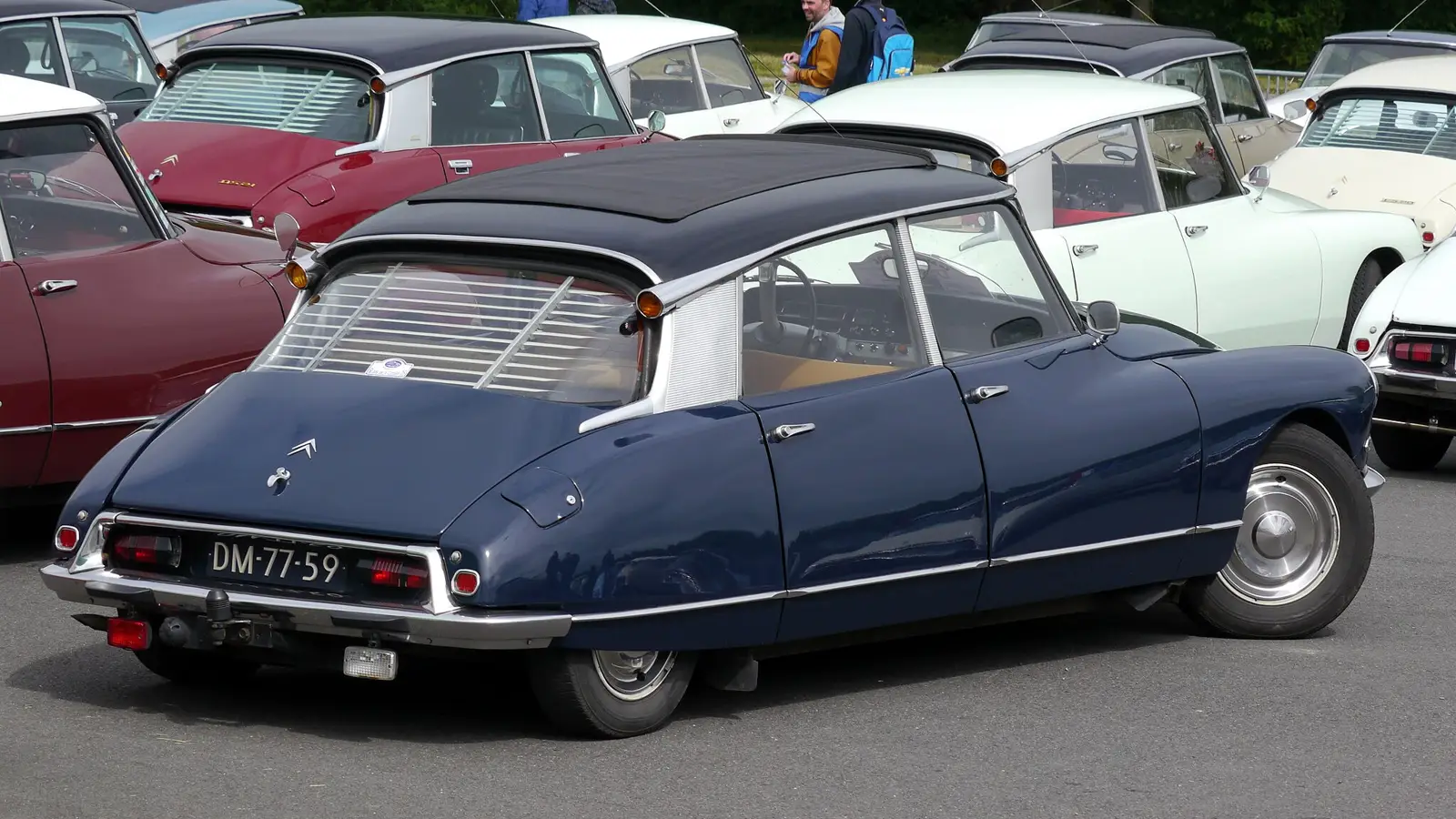
Even in its materials, the DS broke conventions. A fibreglass roof helped reduce weight and lower the centre of gravity, contributing to improved stability. Taken together, these choices created the impression of a carefully integrated system rather than a collection of isolated technical tricks.
The cultural impact of the Citroën DS eventually extended far beyond the automotive world. The model was included in the collection of the Museum of Modern Art in New York, where it is presented as an object that bridges industrial design and engineering. In that context, the DS is viewed not merely as transportation, but as a defining artifact of its time.
The car also occupies a unique place in political history. On August 22, 1962, during an assassination attempt in Petit-Clamart, the Citroën DS carrying French president Charles de Gaulle managed to escape despite damaged tyres. The president was unharmed, and the episode reinforced the DS’s reputation for maintaining control under extreme conditions.
Today, the Citroën DS is often described as a vehicle that reshaped expectations of comfort, safety, and technical ambition. Many ideas first realized in the DS have since become industry standards. That legacy suggests the car was not merely successful in its own time, but fundamentally ahead of it.
Ethan Rowden
2026, Jan 14 15:23

