
Global Plug-In Vehicle Sales Exceed 20 Million Units in 2025
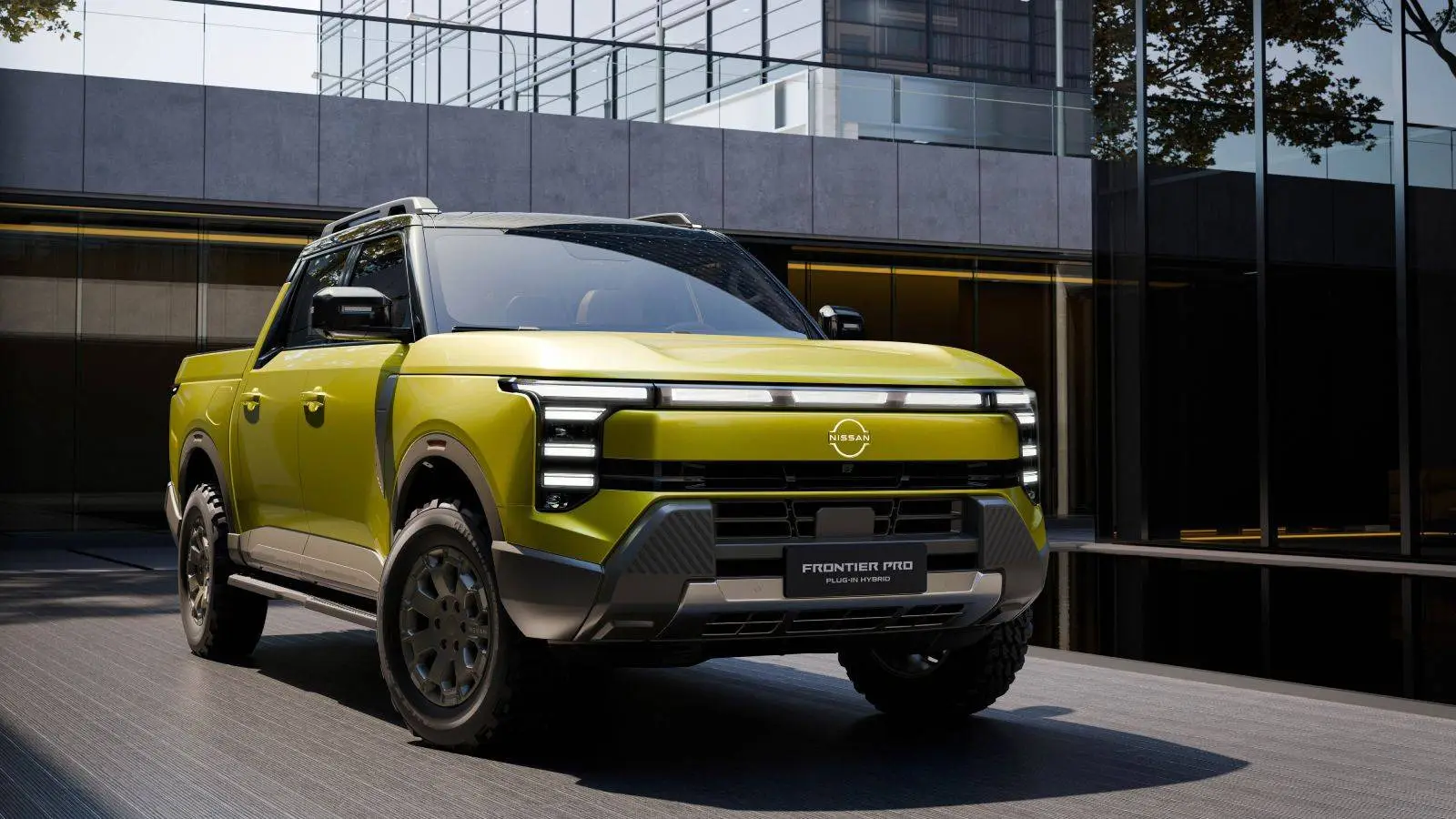
Global plug-in vehicle sales reached 20.7 million units in 2025, according to Benchmark Mineral Intelligence. The data reveal regional shifts and policy impacts. Read more.
Global sales of plug-in vehicles continued to rise in 2025, passing the 20-million mark for the first time. According to Benchmark Mineral Intelligence, around 20.7 million battery-electric and plug-in hybrid cars were sold worldwide, roughly 20% more than in 2024. Despite economic and policy uncertainty, the overall trend still pointed toward further electrification.
The picture, however, was far from uniform. North America stood out as the only major region where plug-in sales declined. The U.S. and Canada both saw weaker results, even though fully electric vehicle sales in the United States edged slightly higher. The main reason was the rollback of government incentives. In the U.S., the long-running federal tax credit for EV purchases came to an end, triggering a brief surge in demand before sales dropped sharply, particularly in the final quarter of the year.
Canada followed a similar path. Its federal iZEV rebate program was paused after allocated funds were exhausted, contributing to a steep drop in plug-in sales during 2025. While authorities have signaled that support could return, the interruption had an immediate impact on the market.
Growth instead shifted beyond North America. The strongest year-over-year increase came from the so-called “rest of the world”—including South America, Southeast Asia and Central Asia—where plug-in sales jumped by nearly 50% to about 1.7 million units. Europe recorded the second-fastest expansion, with sales rising by roughly a third to 4.3 million vehicles.
Europe’s market also highlighted the growing role of Chinese manufacturers. Around 19% of all electrified vehicles sold in the region came from China, led by brands such as BYD and SAIC. This influence could increase further, as the European Union is considering replacing existing import tariffs with a minimum price mechanism, a move that could make Chinese EVs more competitive.
China itself remained the world’s largest plug-in market, selling about 12.9 million vehicles in 2025. Growth slowed to 17%, with clear signs of cooling toward the end of the year. Policy changes are part of that shift: from 2026, buyers of so-called new energy vehicles will pay 50% of the purchase tax, replacing the previous full exemption.
Elsewhere in Asia, contrasts persisted. Japanese buyers remained cautious about fully electric cars, with most growth still coming from hybrids. South Korea, by contrast, posted strong gains in plug-in sales, supported by an expanded lineup of models and a comprehensive incentives program.
Taken together, the 2025 results suggest that global demand for plug-in vehicles remains resilient but increasingly sensitive to policy stability. Markets with consistent incentives and clear regulations continue to grow, while abrupt changes in support can quickly undermine momentum—a pattern likely to shape sales trends in 2026.
Allen Garwin
2026, Jan 16 20:34