
Rising Porsche 911 Prices Shift the Balance Against Rivals
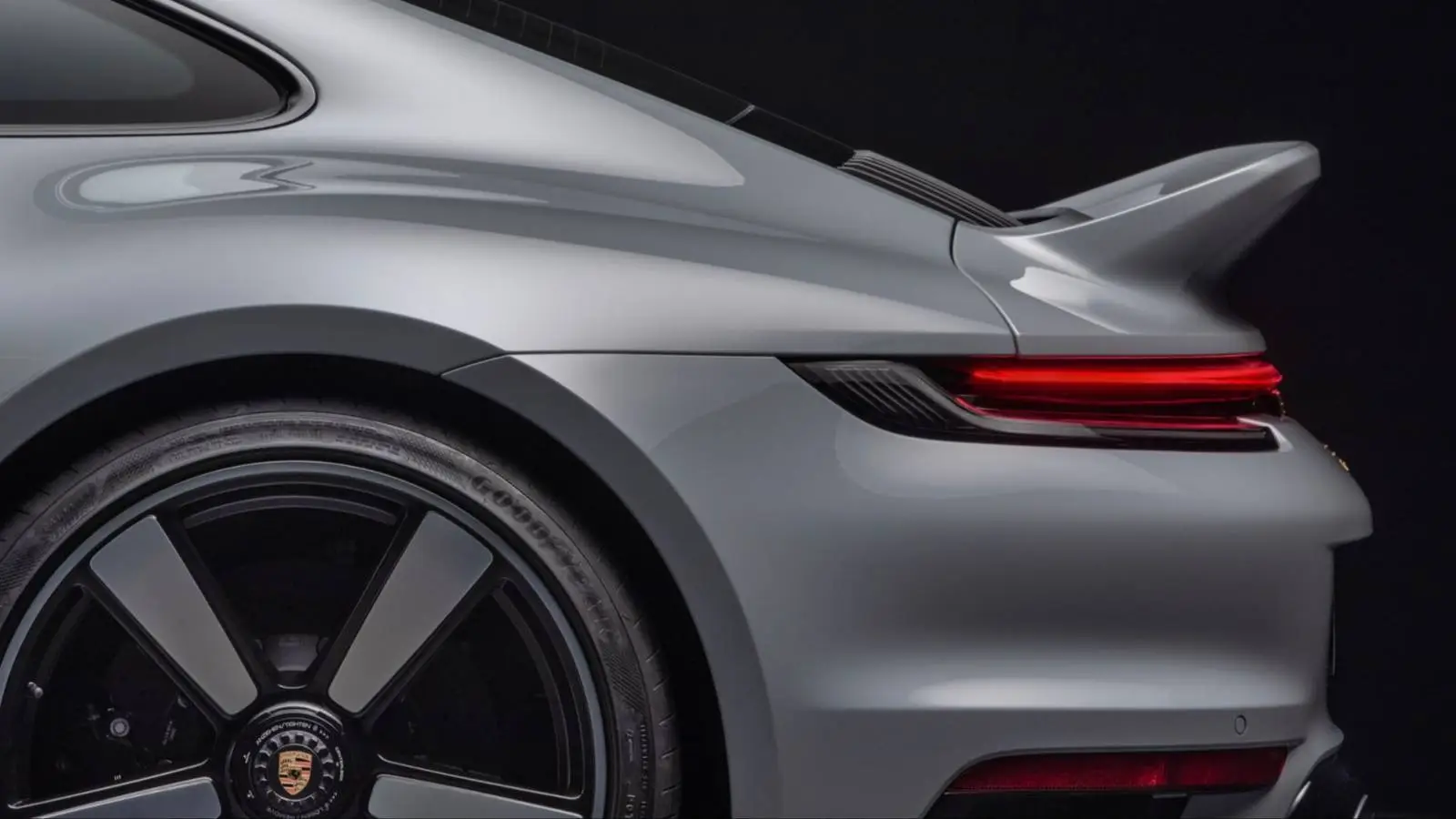
Autoblog reports that rising Porsche 911 prices in the U.S., driven by tariffs, are making rivals like Corvette and AMG GT harder to ignore. Read the analysis.
Porsche is once again pushing the limits of what buyers are willing to pay, and this time the impact is especially noticeable for the 911. At the start of 2026, the company raised prices on new cars in the United States by between 1.2 and 2.9 percent, citing the continued effect of import tariffs. For its most iconic model, this translated into yet another jump in pricing that even loyal fans are finding harder to overlook.
The base 2026 Porsche 911 now starts at around $135,000, with the final figure climbing higher once mandatory delivery fees are added. That marks a dramatic shift from just a few years ago: in 2020, entry into the 911 lineup cost well under $100,000. In a relatively short span, the price of the most accessible 911 has risen by nearly $40,000, a change that goes far beyond routine inflation adjustments.
The increase affects the entire range. Carrera S and Carrera 4 GTS models have each climbed by several thousand dollars, while the Turbo S has seen one of the sharpest rises over recent years. Porsche points to the introduction of a new hybrid powertrain for the Turbo S, pushing output beyond 700 horsepower, as partial justification. For the lower trims, however, there is far less in the way of technical upgrades to balance the higher sticker prices.
This is where rivals begin to look increasingly tempting. The Chevrolet Corvette undercuts the 911 by a wide margin while offering significantly more power from its V8 engine. Even the hardcore Corvette Z06, with 670 horsepower, lands in roughly the same price territory as a base 911. Mercedes-AMG’s GT 55 enters at a similar level too, but emphasizes luxury, sound, and grand-touring character. Maserati’s GranTurismo adds Italian flair and higher power outputs in standard form.
Porsche, for its part, shows little sign of changing course. The brand has no manufacturing presence in the United States and has made clear that it does not plan to localize production despite ongoing tariff pressure. Price increases remain the primary way to offset higher costs. Notably, demand has so far held up: Porsche sales in the U.S. have continued to grow in recent periods, suggesting that a significant portion of buyers is still willing to absorb the higher prices.
Even so, the position of the 911 is gradually shifting. It remains a benchmark for balance and everyday usability among sports cars, but with each new price hike the question of value becomes harder to ignore. If prices continue to climb while competitors maintain aggressive pricing, Porsche may find itself relying less on rational comparisons and more on brand loyalty and the emotional pull that the 911 has long embodied.
Allen Garwin
2026, Jan 17 03:07