
How Mini, Golf I and Porsche 911 Changed Car Architecture
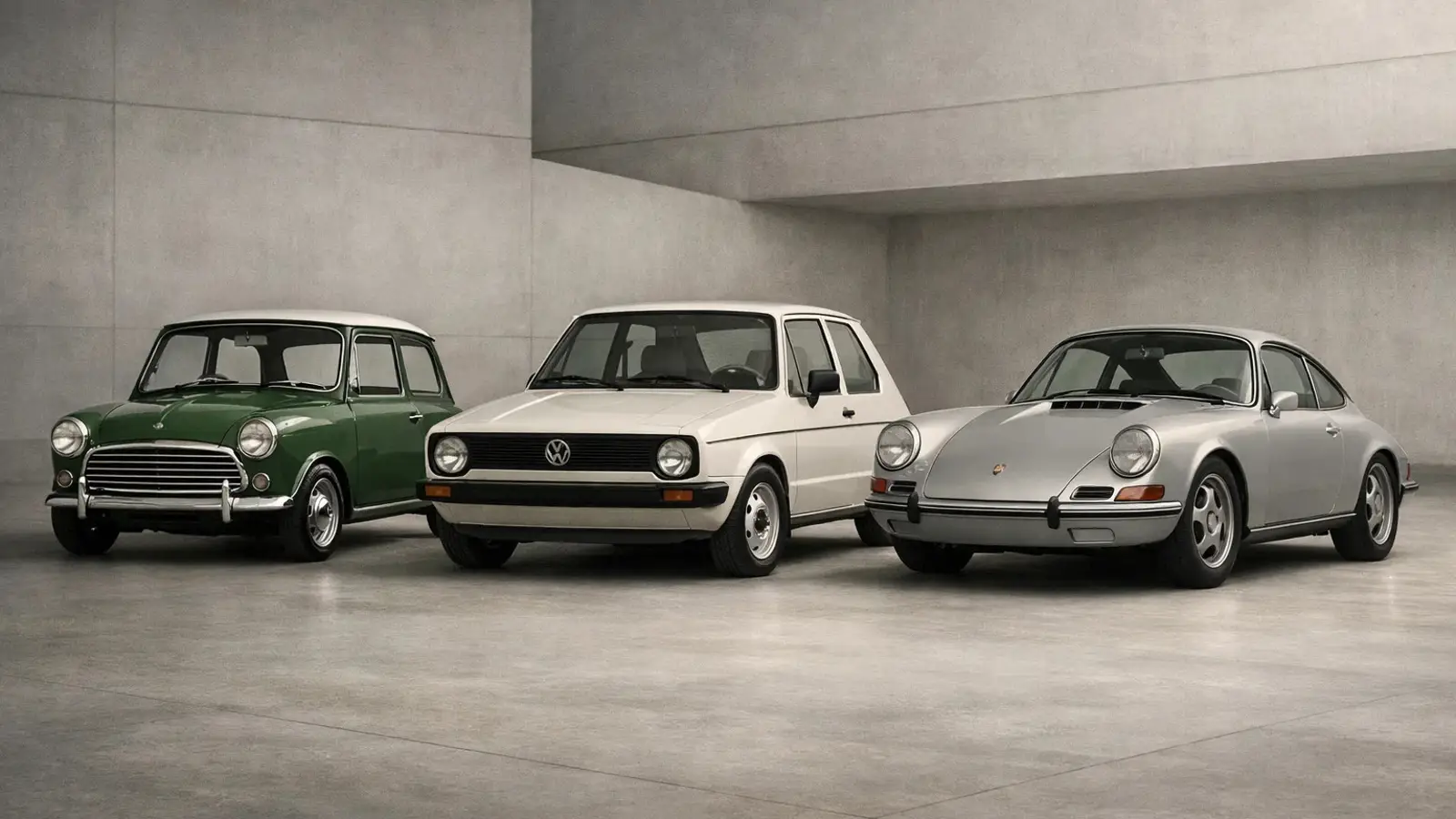
An in-depth look at how Mini, Volkswagen Golf I and Porsche 911 reshaped vehicle layout and influenced generations of car architecture. Read the full analysis.
Sometimes automotive revolutions are loud. They arrive with more power, bolder design, or dramatic performance figures. But the most profound changes often happen quietly. They are hidden in the way a car is built — where the engine sits, how the wheels are positioned, how much space is left for people. The Mini, the first-generation Volkswagen Golf, and the Porsche 911 are three cars that reshaped automotive history not through appearance or numbers, but through architecture.
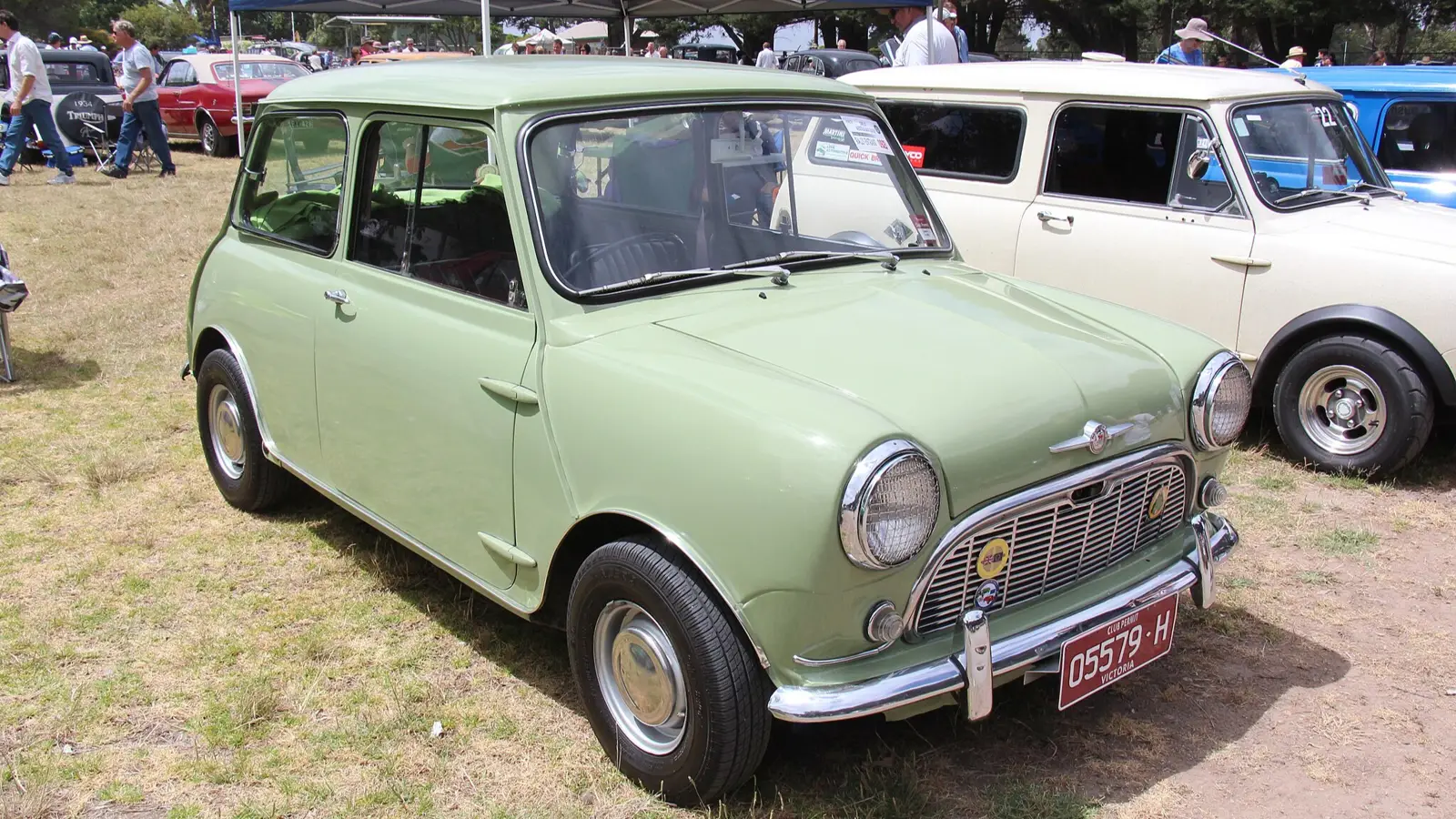

The Mini was born out of limitation. In the late 1950s, rising fuel prices and concerns about resource shortages created demand for a truly economical compact car. The solution was unexpectedly bold. Engineer Alec Issigonis rethought the fundamentals by mounting the engine transversely and pushing the wheels to the very corners of the body. This freed interior space and allowed a surprisingly usable cabin within minimal external dimensions. The concept required unconventional engineering choices, including a gearbox integrated into the engine sump and a side-mounted radiator. The Mini did not merely become a small car — it demonstrated that intelligent packaging could turn constraint into freedom.
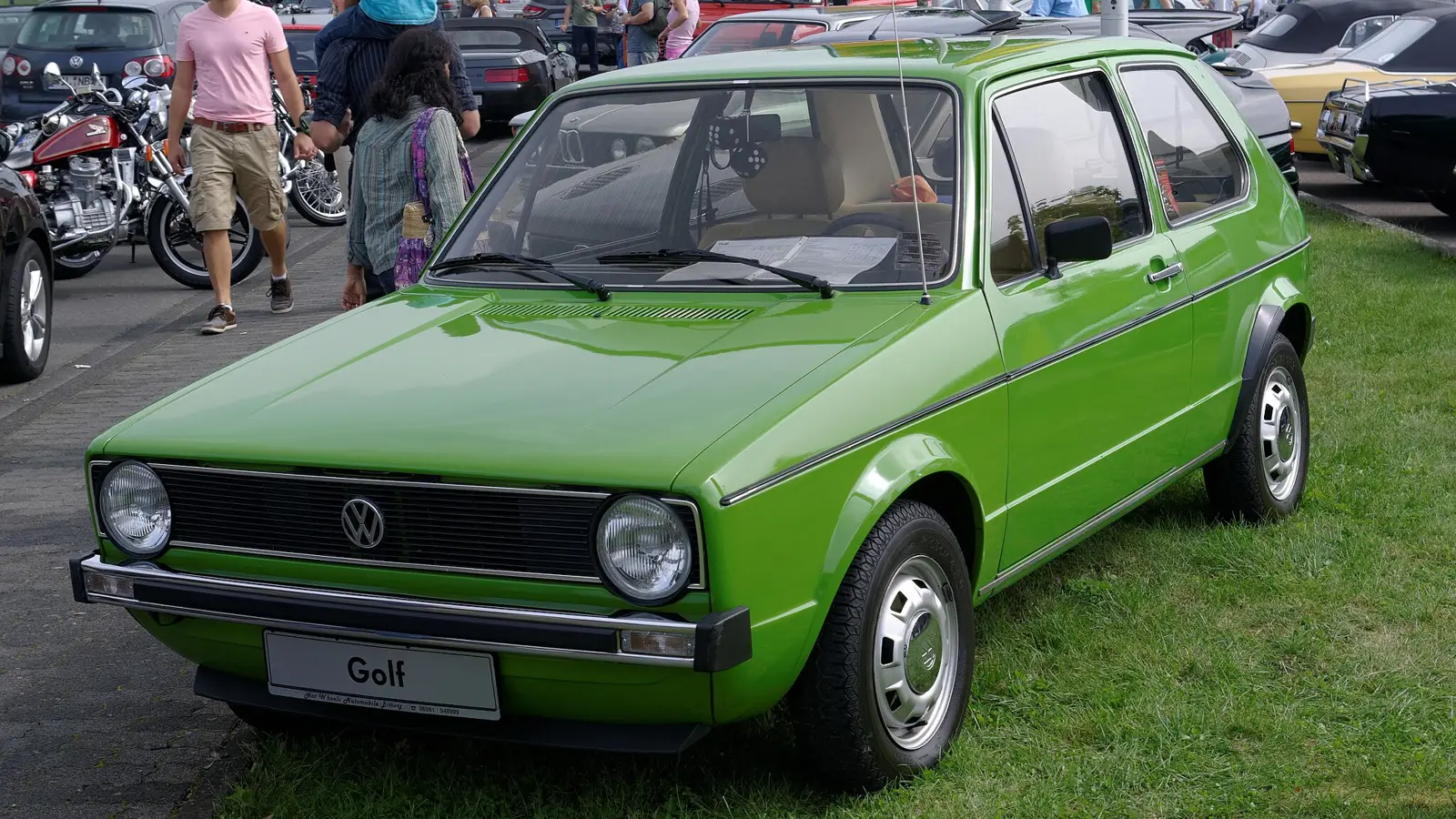

The Volkswagen Golf I addressed a different challenge, but with equally far-reaching consequences. By the time it appeared, Volkswagen had been defined for decades by rear-mounted engines and rear-wheel drive. The Golf marked a clear break from that tradition. A front-mounted engine and front-wheel drive were introduced in the brand’s most important, highest-volume segment. This was not an experiment, but a deliberate shift in philosophy. The two-box hatchback layout, combined with a tailgate and a folding rear seat backrest, delivered a new level of everyday versatility. The Golf I did more than change layout — it established a standard by which practicality in mass-market cars would be judged.
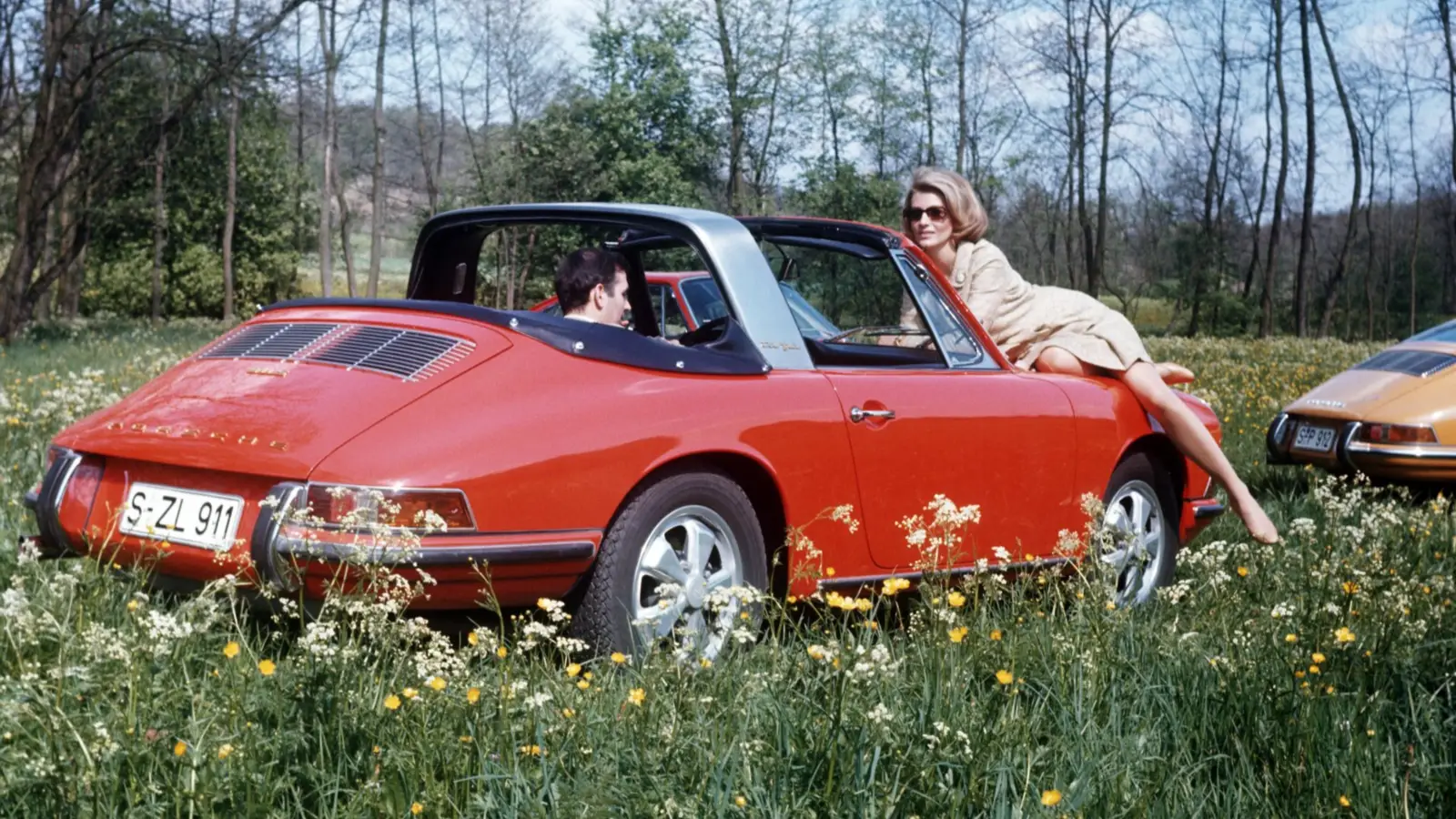
Against these rational solutions, the Porsche 911 stands out as a deliberate act of defiance. While much of the automotive world pursued balance and convention, the 911 remained faithful to its rear-engine layout. Placing the engine behind the rear axle became not a technical compromise, but a defining trait. This architecture shaped the car’s driving character and simultaneously defined its unmistakable silhouette. Porsche itself emphasises that the shape of the 911 is inseparable from its layout, and without it, the car would no longer be a 911. Here, architecture is not optimisation — it is identity, preserved across generations.
What links these three cars is not drivetrain type or engine position, but lasting influence. The Mini proved that compactness could be intelligently designed. The Golf I turned a new architecture into a mass-market norm. The Porsche 911 showed that even an unconventional layout could become timeless if it remained true to its idea. In each case, vehicle architecture became the quiet turning point after which the automotive world was never quite the same.
Ethan Rowden
2026, Jan 17 07:50