
Why Million-Mile Cars Became a Thing of the Past
An in-depth look at why million-mile cars faded away, how engineering priorities changed, and what modern car ownership reveals. Read the full analysis.
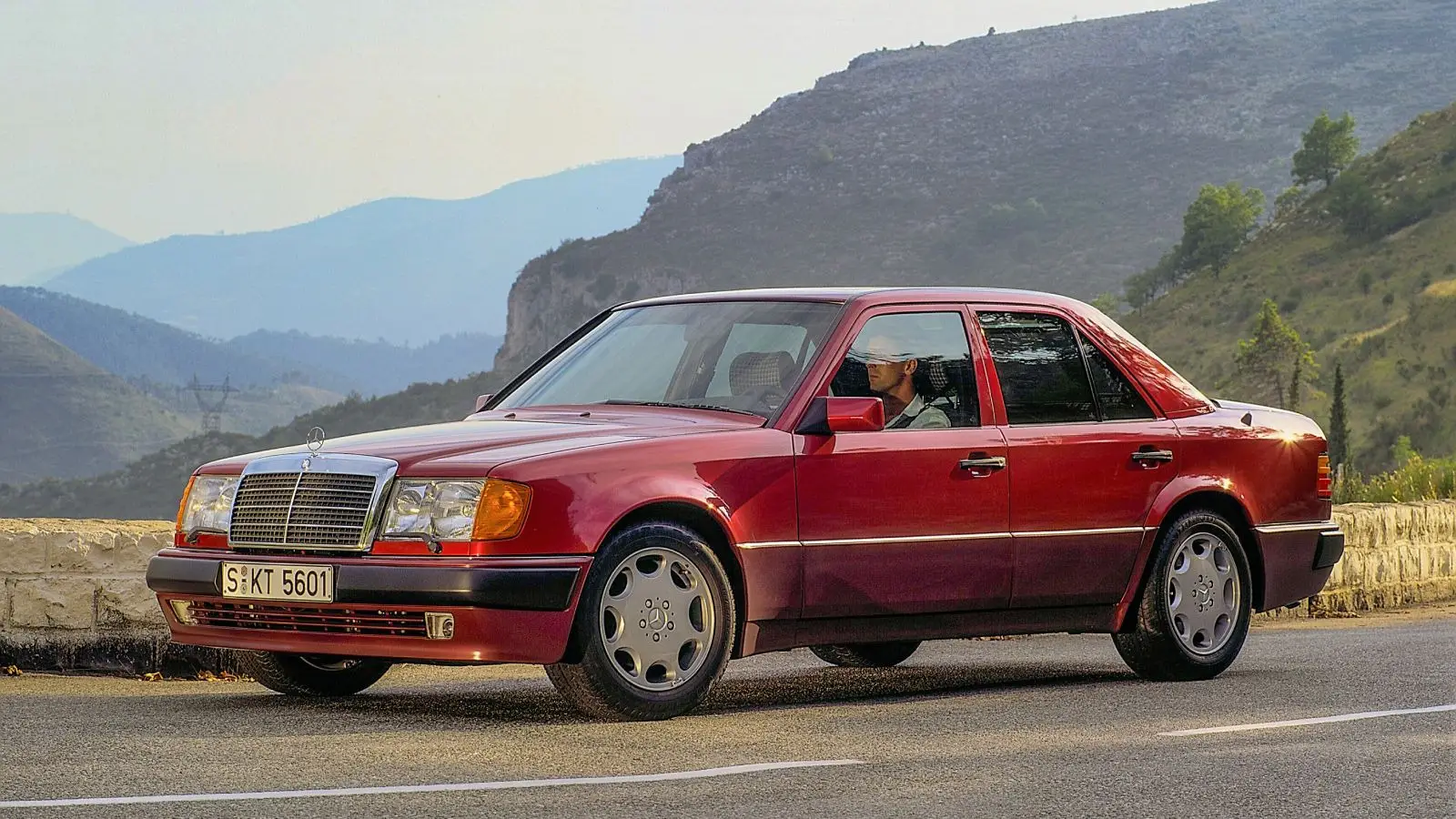
When people talk about so-called “million-mile cars,” the image is almost mythical: a vehicle that serves its owner faithfully for decades, calmly rolling past enormous mileage figures. Today, such stories sound like rare exceptions, yet only a few decades ago they were surprisingly common. Models like the Mercedes-Benz W124 or the Volvo 240 became symbols of durability not because of marketing slogans, but due to the engineering mindset of their era.
In the 1980s, manufacturers approached car design very differently. Mercedes engineers, tasked with replacing the legendary W123, were determined not to lose the trust of their customers. The W124 was developed as a long-term companion: a strong mechanical foundation, minimal electronics, and materials chosen for longevity rather than cost. Diesel engines from the OM602 family were known for their simple design and mechanical strength, while the suspension could endure poor road conditions with ease. The body received extensive corrosion protection, including double-sided hot-dip galvanization and hot wax treatment under pressure, forming a protective seal inside the panels. The result was cars that could remain operational for decades.
A similar philosophy defined the Volvo 240. Its creators followed a straightforward rule: the simpler the design, the higher the reliability. A rigid rear axle, uncomplicated suspension layouts, and proven B-series gasoline engines made the car predictable and tough. Components were calculated with generous safety margins, and the overall concept avoided unnecessary complexity. Even after 30 or 40 years, many of these cars still have solid bodies, quiet interiors, and functioning mechanical systems.
The turning point came in the 1990s, when market priorities began to shift. Cost reduction became increasingly important, and quality inevitably suffered. The contrast is particularly visible when comparing the W124 to its successor, the Mercedes-Benz W210, which became notorious for early corrosion issues. This period marked the gradual end of cars designed to last a lifetime.
Yet blaming everything on a deliberate industry conspiracy would be an oversimplification. Cars have become more advanced, more comfortable, and more technologically complex, but consumers have changed as well. For most buyers today, a car is no longer a long-term investment meant to last for decades. Ownership cycles are shorter, new models appear every few years, and leasing, subscriptions, and easy credit encourage frequent replacement. The car has turned into a consumer product, almost a gadget.
Environmental regulations also play a significant role. Modern engines are downsized, more highly stressed, and equipped with turbochargers and additional systems to meet efficiency and emissions standards. At the same time, production processes have accelerated, and new technologies are sometimes introduced before they have proven their durability over time. In this context, the owner often becomes an unwitting tester.
The psychology of ownership has shifted as well. In the past, a car was maintained carefully and expected to stay in the family for many years. Today, the mindset is different: why invest in an engine designed to last hundreds of thousands of kilometers if the vehicle will likely be replaced after a few years anyway? Statistics reflect this change, showing shorter ownership periods for premium cars and a higher willingness among younger drivers to change vehicles within five years.
In the end, million-mile cars did not disappear because engineers forgot how to build reliable machines. They faded away because the idea of extreme longevity is no longer widely demanded. In that sense, the stories of old Mercedes and Volvo models are not just nostalgia—they are a clear reflection of how our relationship with technology and possessions has evolved.
Ethan Rowden
2026, Jan 18 11:35