
Porsche delivers 279,449 vehicles worldwide in 2025
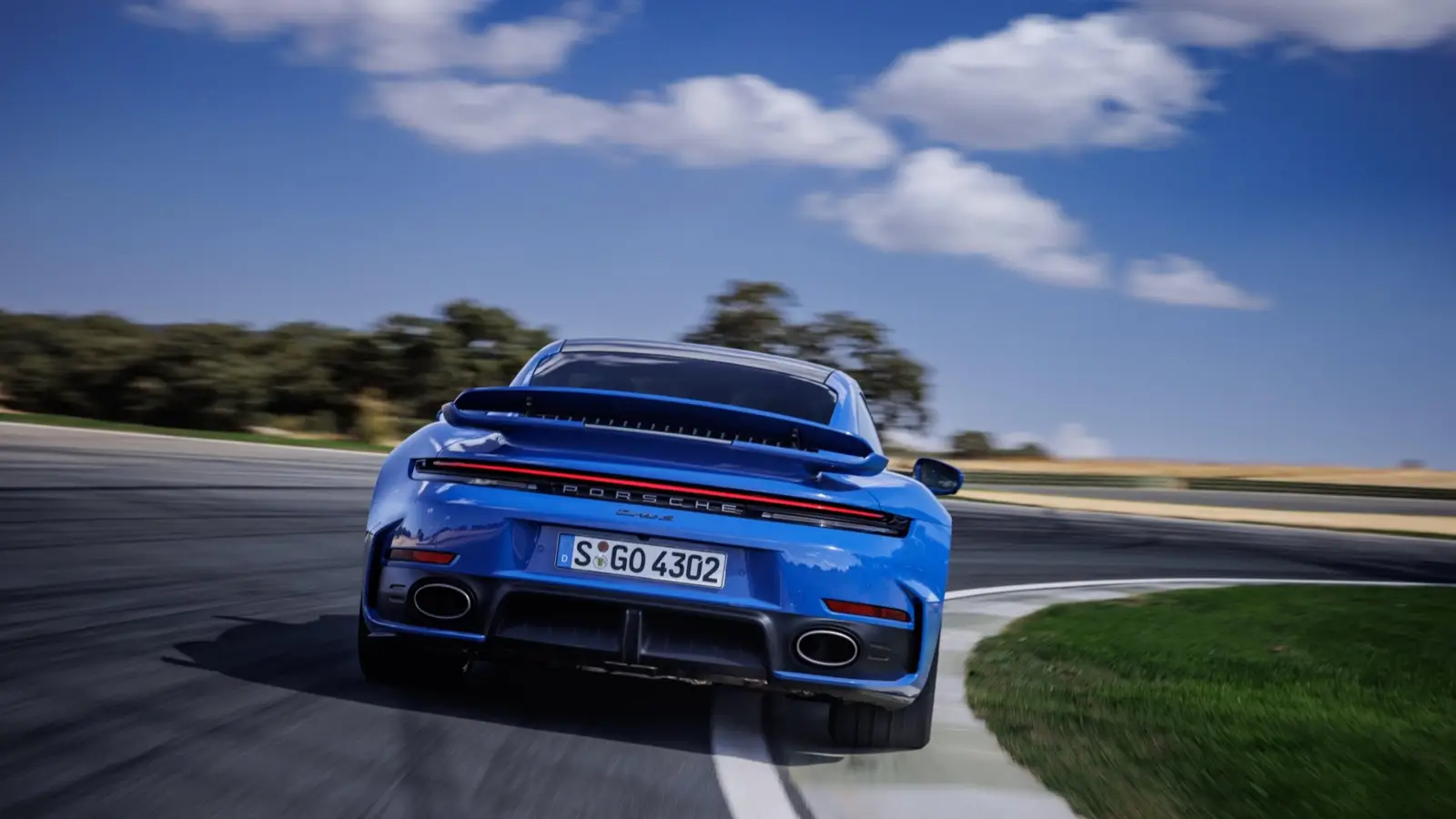
Porsche AG reported global deliveries of 279,449 vehicles in 2025, reflecting lower volumes, regional shifts and a growing share of electrified models. Read the details.
In 2025, Porsche delivered 279,449 vehicles to customers worldwide, marking a 10% decline compared with the previous year. The decrease followed a combination of market headwinds, regulatory constraints and product-related factors, while the company maintained a balanced sales structure and continued to prioritise its “value over volume” strategy.
The most significant drag on global results came from China, where deliveries fell by 26% to 41,938 units. Porsche attributed the decline to challenging market conditions, particularly in the luxury segment, alongside intensified competition, including in the electric vehicle space. Against this backdrop, the manufacturer reiterated its focus on value-oriented sales rather than pursuing volume at any cost.
North America remained Porsche’s largest sales region, with 86,229 vehicles delivered in 2025, broadly in line with the previous year. Europe showed weaker momentum. Deliveries in Europe excluding Germany declined by 13%, while the German home market recorded a 16% drop. According to the company, supply gaps affecting the combustion-engined 718 and Macan models, linked to EU cybersecurity regulations, played a key role in the downturn.
Performance across model lines was mixed. The Macan once again emerged as Porsche’s best-selling model line, with 84,328 deliveries, more than half of which were fully electric. The 911 sports car icon, including combustion-engined and T-Hybrid variants, set a new delivery record with 51,583 units. By contrast, Taycan and Cayenne volumes declined, partly reflecting catch-up effects from the previous year and a slower pace of electromobility adoption in certain markets.
Electrification continued to reshape Porsche’s delivery mix. In 2025, 34.4% of all vehicles delivered worldwide were electrified, including 22.2% fully electric and 12.1% plug-in hybrid models. In Europe, electrified vehicles accounted for the majority of deliveries for the first time, with every third car fully electric, placing Porsche at the upper end of its BEV target range for the year.
Looking ahead, Porsche expects 2026 to be defined by more realistic volume planning, reflecting the phase-out of the combustion-engined 718 and Macan models. At the same time, the company plans to continue investing in its three-pronged powertrain strategy and to expand its customisation offerings through Exclusive Manufaktur and the Sonderwunsch programme, responding to growing demand for individuality in the premium sports car segment.
Mark Havelin
2026, Jan 18 13:44