
BMW Says Rolls-Royce V12 Can Meet Euro 7 Emissions Standards
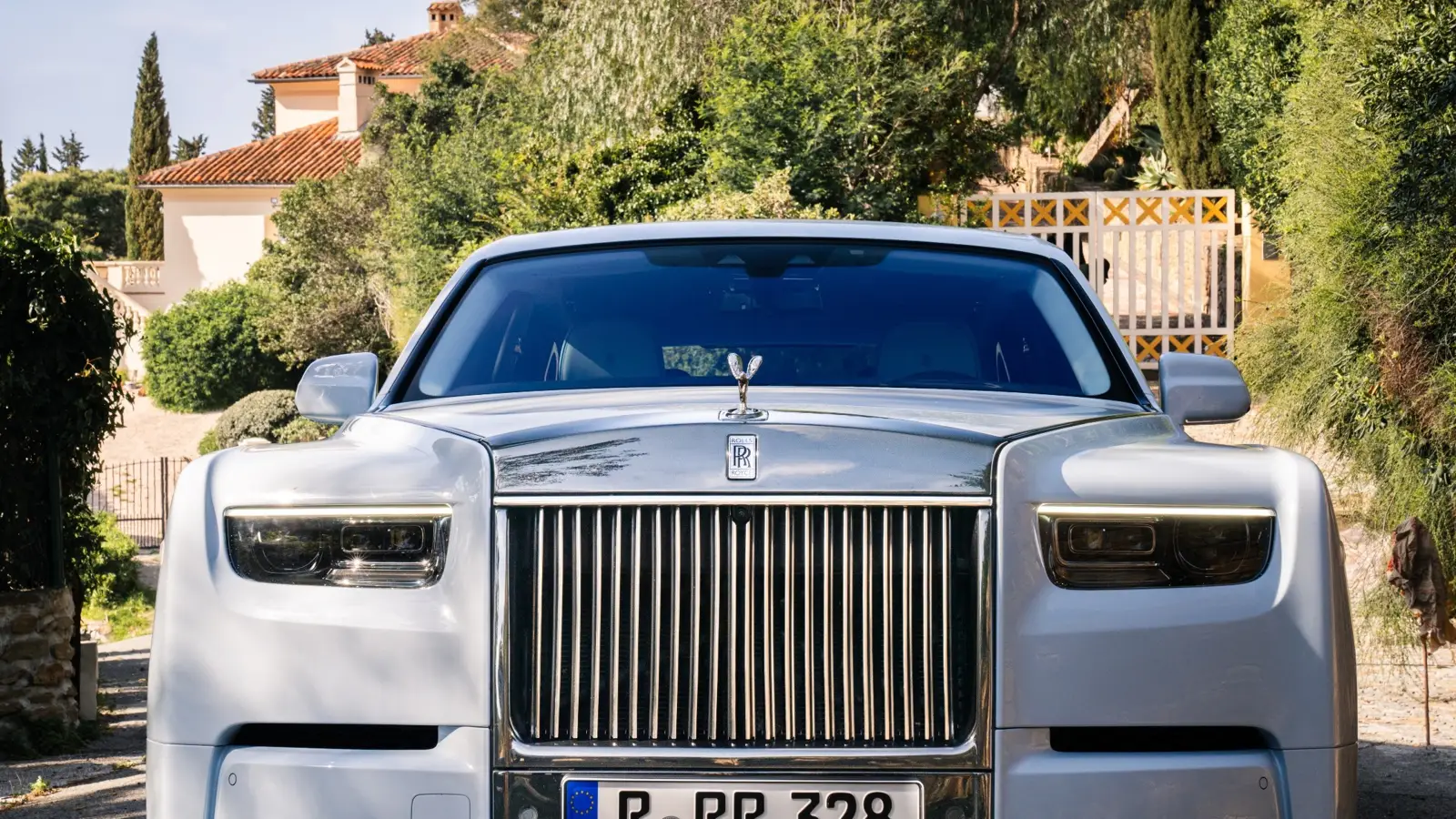
BMW says Rolls-Royce’s V12 engine can comply with Euro 7 rules through emissions updates, allowing the iconic powertrain to remain alongside the brand’s EV plans.
Rolls-Royce finds itself balancing tradition and transition. The brand has already put the all-electric Spectre on the road and continues to develop new EVs, while maintaining its public commitment to become fully electric by 2030. That long-term goal, however, does not mean an immediate farewell to one of its defining elements: the V12 engine.
According to BMW, the parent company of Rolls-Royce Motor Cars, the current V12 can be brought into compliance with the upcoming Euro 7 emissions standard without a complete redesign. Instead of starting from scratch, the solution lies in updates to the exhaust system, primarily through revised catalytic converters and emissions-control hardware. This approach allows the engine to survive the regulatory shift without the cost and complexity of developing an entirely new powertrain.
The timing of Euro 7 plays a key role here. The regulation will apply to new passenger car types from November 2026 and to all newly registered cars from November 2027. Manufacturers producing vehicles in small volumes are granted additional time, a detail that works in favor of low-volume luxury brands such as Rolls-Royce.
The V12 itself remains central to the brand’s identity. The 6.75-liter twin-turbocharged unit from BMW’s N74 family continues to power models such as the Phantom, Cullinan, and Ghost. Depending on specification, output ranges from 571 to 600 horsepower, with torque figures reaching up to 900 Nm. For Rolls-Royce, this engine is less about outright performance and more about effortless, near-silent delivery.
European policy adds another layer of context. While the EU plans to effectively end sales of new gasoline and diesel cars by 2035, the regulatory framework still leaves room for combustion engines operating on carbon-neutral fuels. Combined with the flexibility built into Euro 7, this has opened a longer-than-expected runway for certain internal combustion engines.
The result is a slower, more nuanced transition. Electrification remains the destination, but not every bridge is being burned along the way. For now, Rolls-Royce’s V12 continues to exist alongside its electric counterparts, extending the life of an engine that has long defined the brand’s character.
Mark Havelin
2026, Jan 19 20:38