
US Car Prices Top $50,000 as Emissions Rules Are Set to Ease

Average US car prices passed $50,000 in 2025 as the Trump administration moves to ease emissions rules, Reuters reports. Learn what this shift means.
The average price of a new car in the United States has moved past the $50,000 threshold, a milestone that is now driving a reassessment of federal auto policy. With prices at record levels, the Trump administration is pointing to emissions regulations as a key contributor and is pursuing deregulation as a way to ease costs for consumers.
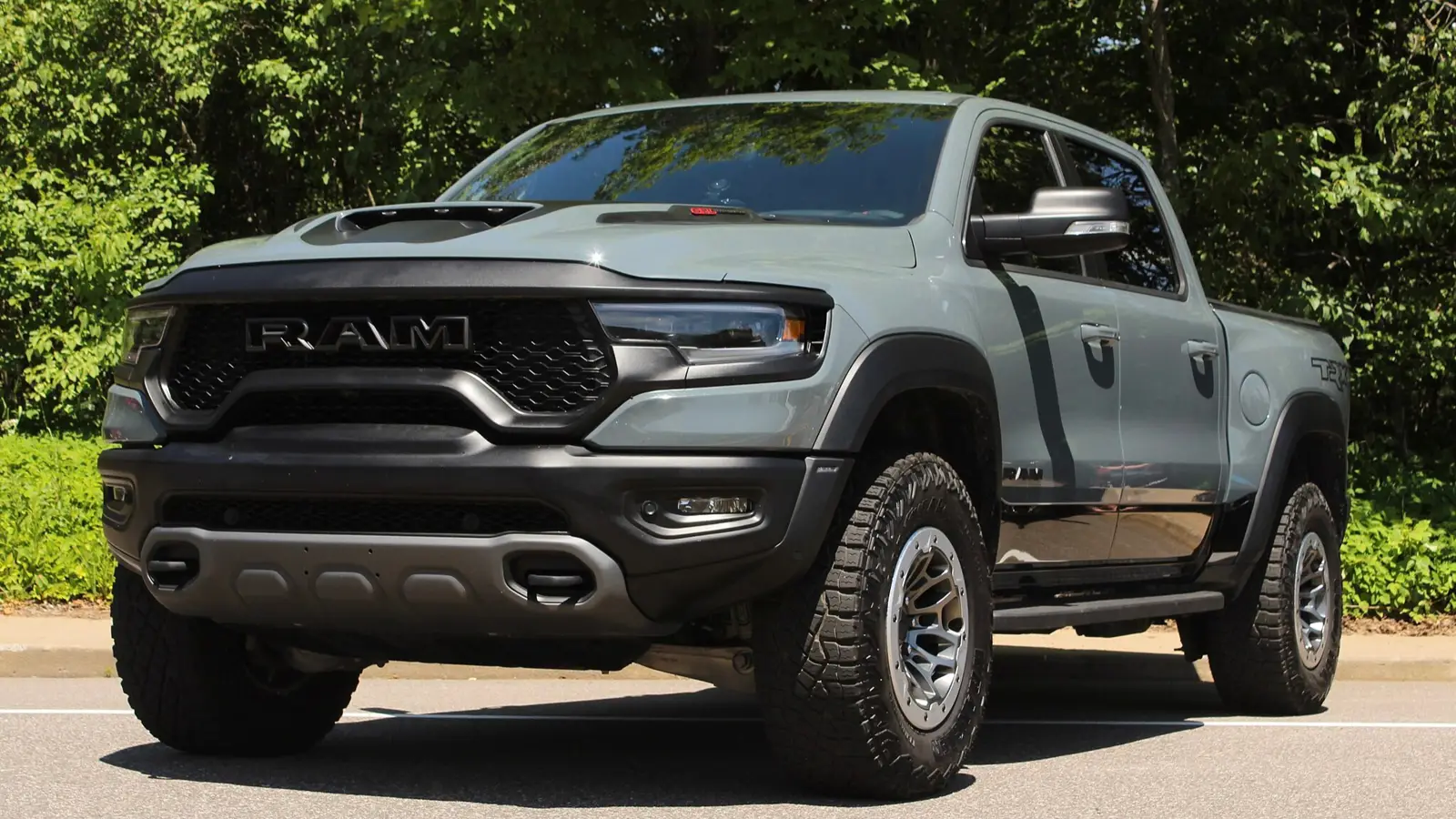
Kelley Blue Book reports that the average transaction price of a new vehicle reached $50,326 in December 2025. Much of that increase reflects the structure of the market itself, as buyers continue to favor higher-priced vehicles such as full-size pickups and midsize SUVs, which push the overall average higher.
Officials argue that emissions and fuel economy standards have added to the upward pressure on prices. Automakers must invest in additional technologies to comply with federal rules, including hybrid systems and other electrified components. While these measures can improve efficiency, they also increase production complexity and cost.
Transportation Secretary Sean Duffy has said the market should not rely on policies that encourage electric vehicles while penalizing models powered by internal combustion engines. EPA Administrator Lee Zeldin has echoed that stance, arguing that the government should not steer the market in a direction that does not align with consumer demand.
Regulatory changes are already taking shape. The federal $7,500 tax credit for electric vehicles has been eliminated, and penalties tied to fuel economy compliance have effectively been reduced to zero. At the same time, the EPA is preparing to finalize a move that would remove federal tailpipe emissions mandates put in place in recent years.
The shift has extended to the state level as well. California’s plan to ban the sale of new gasoline-powered vehicles by 2035 has been blocked at the federal level, a decision that has sent a clear signal across the industry. It has coincided with renewed attention on combustion-powered models, including high-performance trucks built around traditional engines.
Despite the policy reset, demand has remained resilient. New vehicle sales in the United States rose to 16.2 million units in 2025, an increase of 2.4% from the previous year. Administration officials acknowledge that deregulation will not immediately lower sticker prices, but they argue that reduced compliance costs could ease pricing pressure over time.
The debate now centers on how to balance environmental goals with vehicle affordability. Easing emissions rules may reshape the relationship between electric vehicles and conventional models, but the full impact on prices and consumer choice is likely to emerge only gradually.
Allen Garwin
2026, Jan 20 05:29