
Germany Updates EV Subsidy Scheme to Cover Range Extender Cars
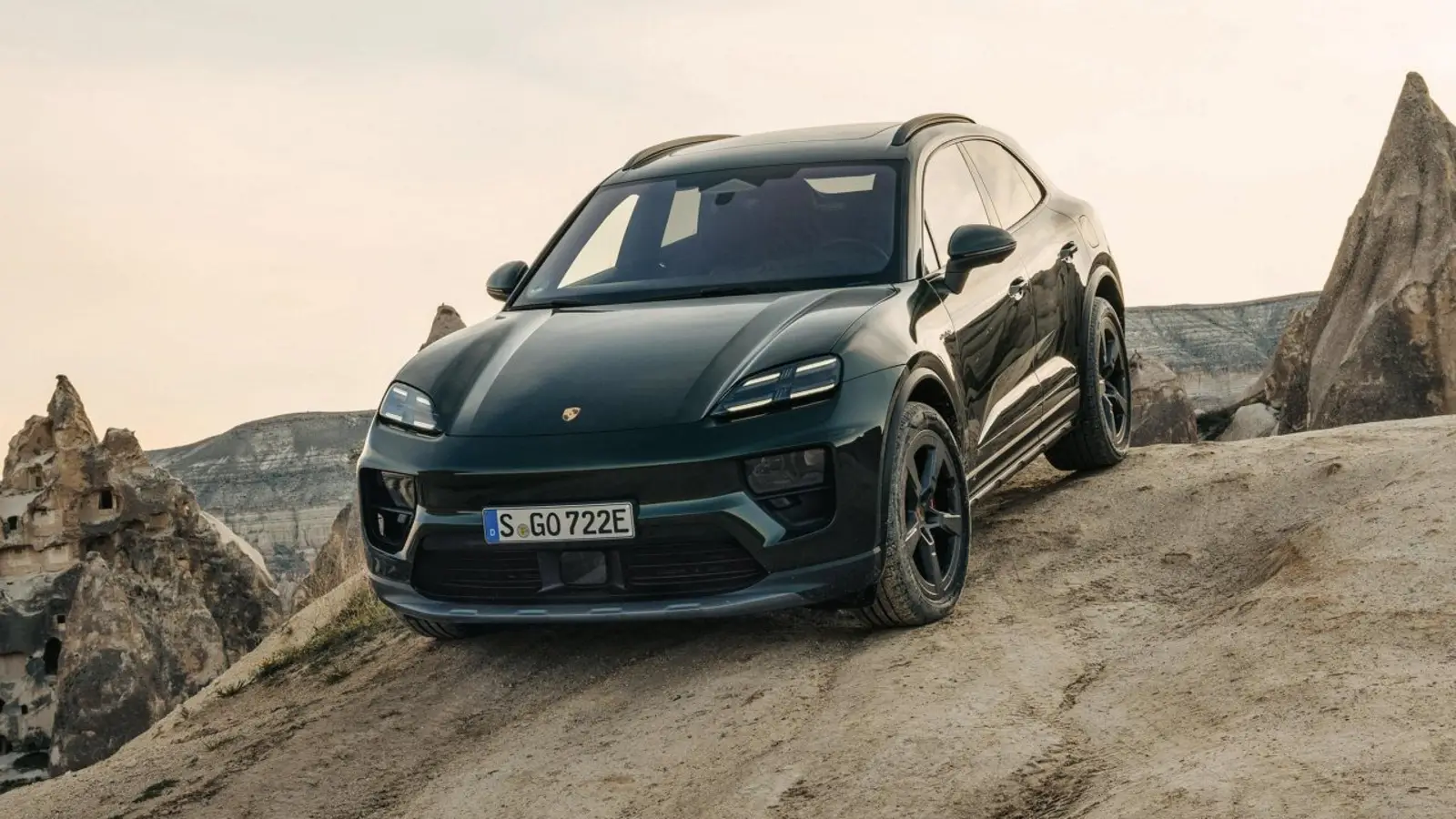
German authorities have updated the EV subsidy programme, extending support to range extender vehicles with income-based grants through 2029. Learn what has changed.
Germany has adjusted its electric vehicle support policy, making the system broader and more pragmatic. The updated subsidy programme now officially covers not only fully electric cars but also vehicles equipped with a range extender — a small internal combustion engine used solely to recharge the battery rather than drive the wheels.
The level of support ranges from €1,500 to €6,000, depending on a household’s taxable income and the presence of children. This structure clearly targets low- and middle-income families, positioning them as a key group for expanding EV adoption. The programme is backed by a total budget of €3 billion and is set to run until 2029, a volume the government expects will cover around 800,000 vehicles.
A notable shift is the formal inclusion of range-extender vehicles alongside other electrified models. Sitting between pure battery-electric cars and conventional hybrids, these vehicles address persistent consumer concerns about driving range and uneven charging infrastructure. Their eligibility signals a more realistic policy approach that acknowledges current market limitations and buyer hesitation.
Subsidy applications can be submitted retroactively for vehicles registered from 1 January 2026. Online applications are expected to open in spring, with claims submitted after vehicle registration. The scheme applies to both purchases and leases of new cars, provided they are retained for a minimum period.
Crucially, the programme makes no distinction based on a vehicle’s country of origin. Imported models, including those manufactured in China, are eligible under the same conditions. Berlin has underlined that it does not intend to shield the market through administrative barriers, instead relying on German manufacturers to compete through product strength and innovation.
Taken together, the changes reflect an effort to stabilise EV demand after recent market volatility while aligning climate policy with practical realities. By combining socially tiered incentives with broader vehicle eligibility, Germany aims to widen the appeal of electric mobility in the coming years.
Allen Garwin
2026, Jan 21 07:26