
Intelligent Charging Management Systems by Porsche Engineering
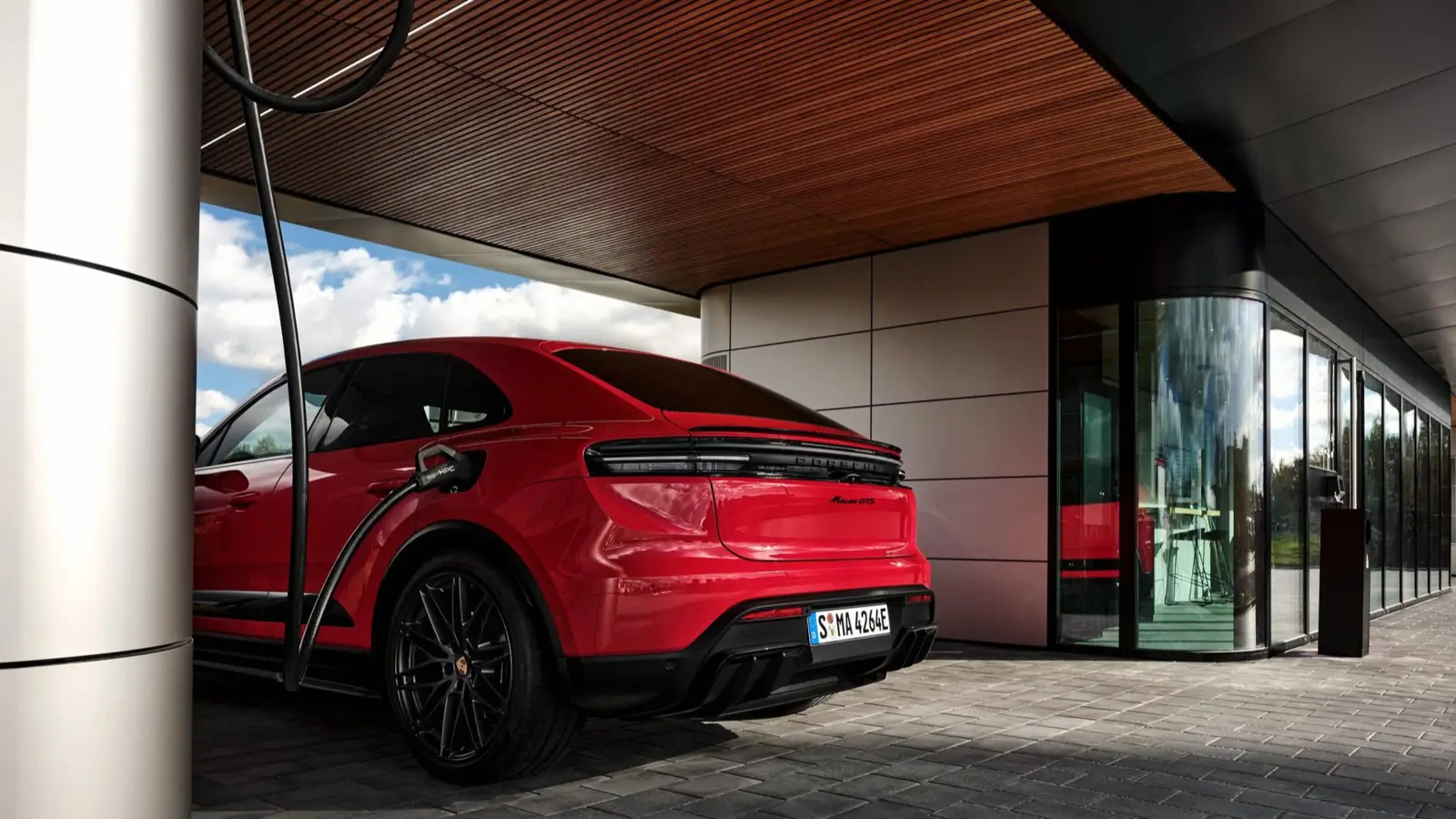
Porsche Engineering reports on intelligent high-voltage charging systems for electric vehicles, focusing on global standards, charge planning, and validation. Learn more.
Porsche Engineering continues to advance intelligent charging management systems for electric and plug-in hybrid vehicles, offering manufacturers a complete solution ranging from development to validation of high-voltage charging systems. At the core of this technology is software-based charge control, which has become a decisive factor for everyday usability and customer satisfaction in electric mobility.
The high-voltage charging management system coordinates several critical processes at once. It determines available charging power, authenticates the vehicle at the charging station, manages communication with the infrastructure, and supplies data to the customer’s mobile application. As a result, charging remains reliable and predictable across everyday situations and varying environmental conditions.
Porsche Engineering has been developing advanced charging management concepts since 2011 and follows the full V-model development process, from requirements analysis through validation. This structured approach has positioned the company as a central development partner for high-voltage charging management within the Volkswagen Group. To date, individually adapted solutions have been deployed in 13 vehicle variants across different platforms.
A single software system forms the foundation for all implementations and can be flexibly adapted to specific vehicle models and markets through parameterization. This strategy simplifies variant management and allows software updates to be developed, tested, and released once for all models. The system is built on a modular architecture consisting of six functional modules covering charging control, infrastructure communication, safety functions, and value-added services.
Global compatibility plays a central role in the concept. The charging management system supports all major international charging standards, enabling vehicles to be used worldwide. User convenience is further enhanced by the Plug & Charge function, which allows automatic authentication at the charging station without cards or apps.
Intelligent charge planning is the system’s key feature. Algorithms calculate a time-based charging profile that considers dynamic electricity tariffs, grid utilization, battery condition, and the availability of surplus energy from home solar systems. This approach helps minimize charging costs while reducing grid load, with the calculated process and expected charging time displayed to the user via a smartphone app.
Accurate planning becomes particularly challenging at very low or high ambient temperatures, when battery behavior is less predictable. To address this, the system continuously monitors the charging process and runs parallel calculations that refine the charging forecast over time. When a fixed departure time is defined, charging is divided into multiple phases, including a buffer period and a pre-conditioning phase for the vehicle interior.
Validation is carried out using dedicated Hardware-in-the-Loop test benches, enabling automated testing under a wide range of scenarios. Between 2021 and 2024, Porsche Engineering completed a comprehensive redesign of the software, consolidating all charging functions into a more compact structure while further reducing memory requirements and improving computing efficiency.
The development of such systems highlights a broader transformation in electric mobility. Charging is evolving from a purely technical necessity into an intelligent, software-driven service closely connected to energy markets, digital ecosystems, and everyday user behavior.
Mark Havelin
2026, Jan 21 23:47