
Luxury Pickup Trucks Drive U.S. New Car Prices to Record Levels
.jpg)
Kelley Blue Book and Cox Automotive report record U.S. new-car prices in December 2025, driven by luxury vehicles, full-size pickups, and high-end market demand.
Average new-car transaction prices in the United States reached a new all-time high at the end of 2025, closing the year on a record note. In December, the average price paid for a new vehicle climbed to $50,326, surpassing both November’s level and the figure recorded a year earlier. The increase was driven less by across-the-board price hikes and more by the mix of vehicles consumers chose to buy.
High-end models played a decisive role. Full-size pickup trucks and luxury vehicles dominated year-end sales, a pattern typical for December but especially pronounced in 2025. Nearly one in five buyers opted for a luxury vehicle, even before accounting for premium pickup trims that often command similar price tags.
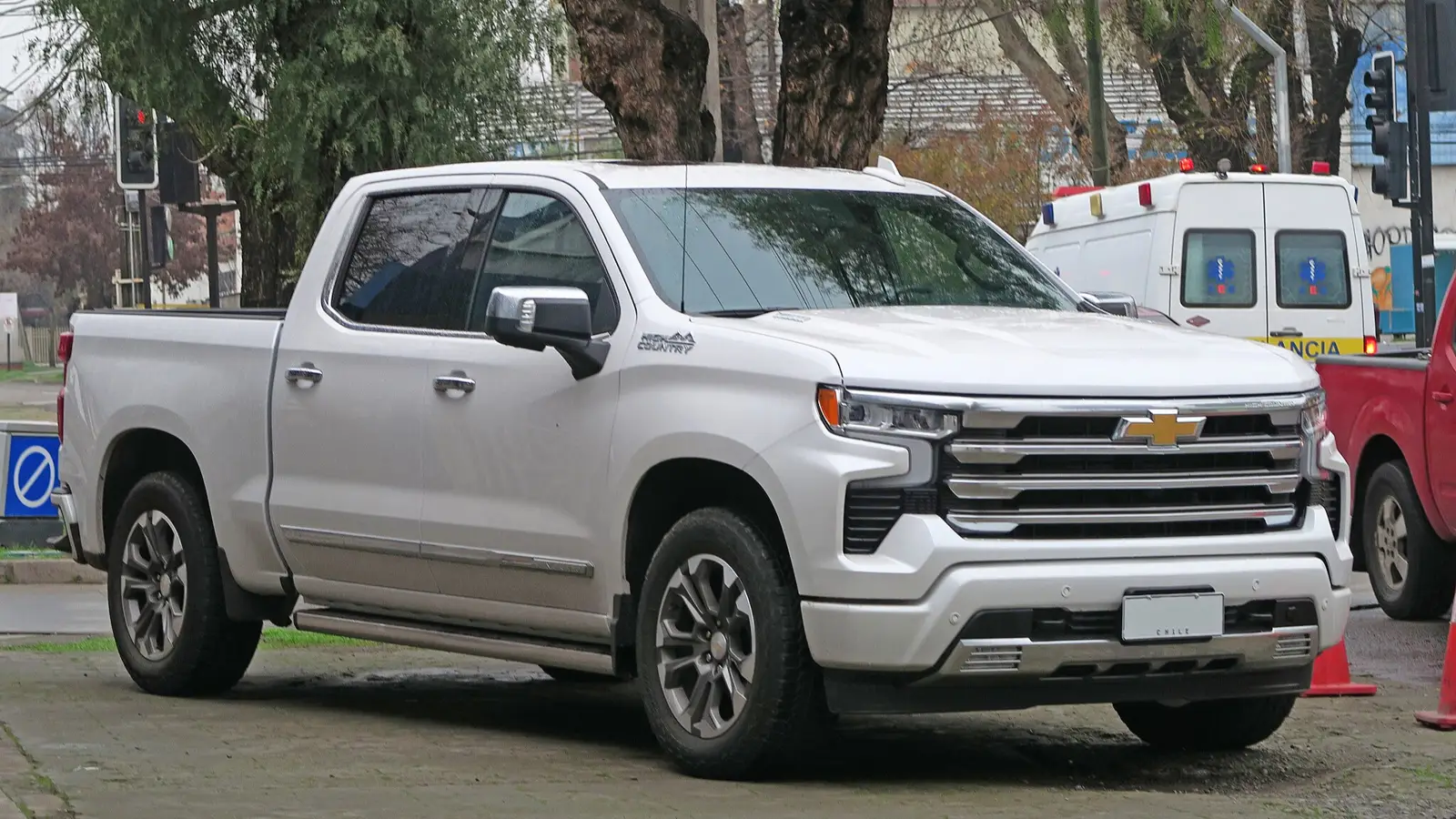
Full-size pickups stood out as the strongest contributor. More than 233,000 of these trucks were sold in December, marking the segment’s best month in five years and one of the strongest performances of the past decade. The average transaction price for a full-size pickup reached $66,386, far above the industry-wide average. In total, consumers spent over $15 billion on new full-size pickups during the month, setting a new record.
Electric vehicles did little to ease the pricing pressure. The average transaction price for a new EV rose to $58,034 in December, remaining well above the overall market level. Sales momentum in the segment was sustained largely by aggressive incentives, which averaged $10,473 per vehicle, or about 18% of the transaction price. These incentives narrowed the price gap between EVs and conventional vehicles, but electric models still commanded a clear premium.
Taken together, the data point to a continued shift toward a more premium-oriented market. Higher-priced vehicles, well-equipped trucks, and luxury models increasingly shape average prices, while affordability plays a smaller role in defining market trends. As the industry moves into 2026, this concentration of demand at the upper end of the market appears set to remain a key force influencing new-car pricing.
Allen Garwin
2026, Jan 25 23:55