
Mazda Discontinues MX-30 in Europe, Bets on China-Built EVs
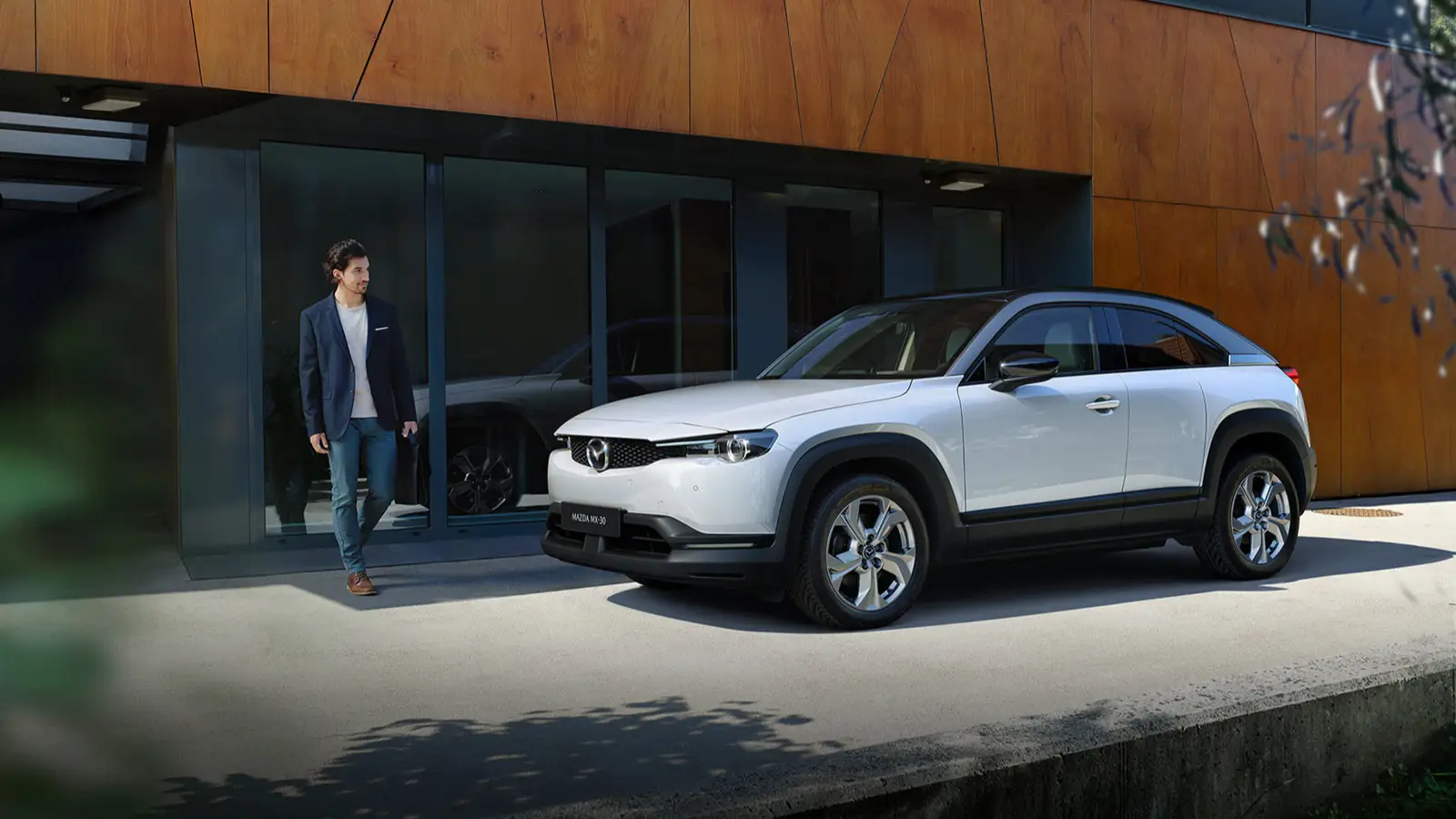
Reported by Autoblog, Mazda is ending MX-30 sales in Europe and replacing it with China-built EVs, reflecting a regional shift in its electric vehicle strategy.
Mazda is effectively closing the European chapter of its first modern electric vehicle. After withdrawing the fully electric MX-30 from sale earlier, the company is now discontinuing the MX-30 R-EV with its rotary range extender. As a result, the entire MX-30 EV lineup is exiting the European market, with only limited stock vehicles remaining available.
The decision marks a logical endpoint for a project that was always more experimental than volume-driven. The MX-30 never gained real traction in Europe, largely because of its limited driving range, small battery capacity, and modest fast-charging capability, which increasingly set it apart from competitors that have rapidly improved their EV offerings.
Mazda’s next step in Europe shifts the focus eastward. The brand is replacing the MX-30 with a new generation of electric models developed together with its Chinese partner Changan. The first of these is the Mazda6e, the European production version of the EZ-6 unveiled earlier in China and formally introduced to European audiences at the Brussels Motor Show. It will be followed by the CX-6e, a midsize electric SUV based on the same cooperative development, scheduled to reach Europe in the summer of 2026.
These models represent a reset of Mazda’s European EV strategy. Instead of niche concepts, the company is moving toward scalable platforms and more conventional electric vehicle formulas, aimed at meeting mainstream expectations for range, charging performance, and everyday usability.
At the same time, Mazda continues to pursue a region-specific approach to electrification. While Europe will increasingly rely on China-built EVs, other markets, including the United States, remain focused on hybrids and electrified combustion models. This split reflects Mazda’s broader multi-solution strategy, in which powertrain choices are shaped by local market realities rather than a single global blueprint.
The end of the MX-30 in Europe therefore does not signal a retreat from electric mobility. Instead, it underlines a transition: Mazda is closing the door on its first, cautious EV experiment and preparing to re-enter the European electric market with products designed for scale, efficiency, and a more competitive role in the coming years.
Allen Garwin
2026, Jan 26 11:19

