
Audi Scales Up Artificial Intelligence in Vehicle Production
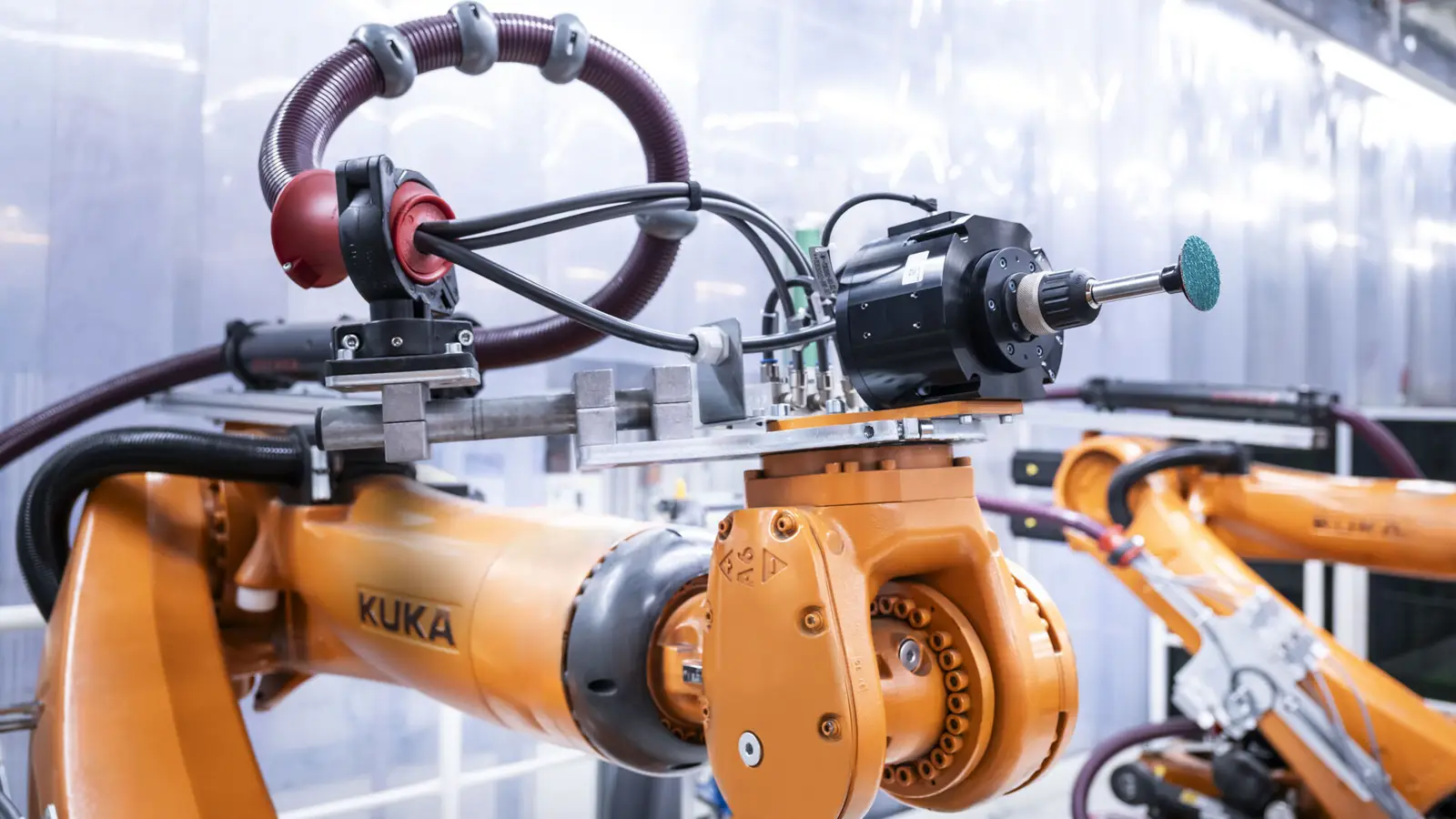
Audi reports on expanding AI in production, using cloud platforms, virtual controllers and automated quality systems to support efficiency and manufacturing processes.
Audi is steadily scaling up the use of artificial intelligence in production and logistics, shifting core processes to a centralized cloud architecture and expanding AI applications in series vehicle manufacturing. At the heart of this transition is the Edge Cloud 4 Production platform, which combines conventional factory automation with cloud-based computing power and enables production systems to be controlled from a unified digital environment.
The company is moving away from local computing solutions directly on the shop floor. Process control, including worker guidance on assembly lines, is increasingly managed centrally. This approach has already allowed Audi to retire more than 1,000 industrial PCs and to introduce new functions more quickly without complex on-site hardware modifications. According to the company, the shift improves process stability, reduces maintenance effort, and strengthens IT security.
At the Neckarsulm site, Edge Cloud 4 Production is being used for the first time in a highly automated body shop for large-scale series production. Here, virtual programmable logic controllers replace conventional hardware-based controllers. Around 100 robots operate together with millisecond precision, enabling the production of several hundred vehicle bodies per day in three shifts. For Audi, this marks a significant step toward a fully networked factory in which software plays a role as critical as physical equipment.
Artificial intelligence is also increasingly used to safeguard quality. The Weld Splatter Detection system identifies weld spatter on the underbody of a car body and highlights affected areas with light. Following a recent upgrade, a robotic arm now performs the physically demanding task of removing the spatter. The system is set to enter series production at multiple plants in Ingolstadt, reflecting Audi’s strategy of scaling proven AI applications across its production network.
In parallel, Audi is developing its own AI solution, ProcessGuardAIn, for monitoring manufacturing processes. The system is based on a centralized data platform that consolidates plant and process data from different sites at a consistent quality level. ProcessGuardAIn already monitors selected production steps in real time, detects anomalies at an early stage, and informs experts. Pilot projects are underway in the paint shop at Neckarsulm, with series production planned for the second quarter of 2026. In the longer term, the solution is expected to support predictive maintenance and quality assurance across all plants.
Another focus lies on automating operations that are still largely manual. In the Next2OEM project, Audi and ten partners are demonstrating how the production and installation of wiring looms can be fully digitized and automated, from the supplier through to vehicle installation. In an industry where such processes remain difficult to automate, the project is intended to pave the way for future large-scale applications and more flexible logistics.
Audi is also testing AI-supported dryer control in paint shop operations, using a model adapted from another industry. The system is designed to respond more quickly to changes in production line speed and to improve resource efficiency. Testing to determine potential energy savings will continue until the summer of 2026.
Throughout this transformation, the company emphasizes clear rules for the responsible use of artificial intelligence and data. At the same time, Audi continues to build partnerships with technology companies and research institutions to accelerate the transfer of innovations into series production. As a result, AI is increasingly becoming a permanent component of Audi’s manufacturing ecosystem, with the potential to reshape both factory structures and the role of employees.
Mark Havelin
2026, Jan 27 18:00