
BlueCruise Usage Jumps 88% in 2025, Ford Says
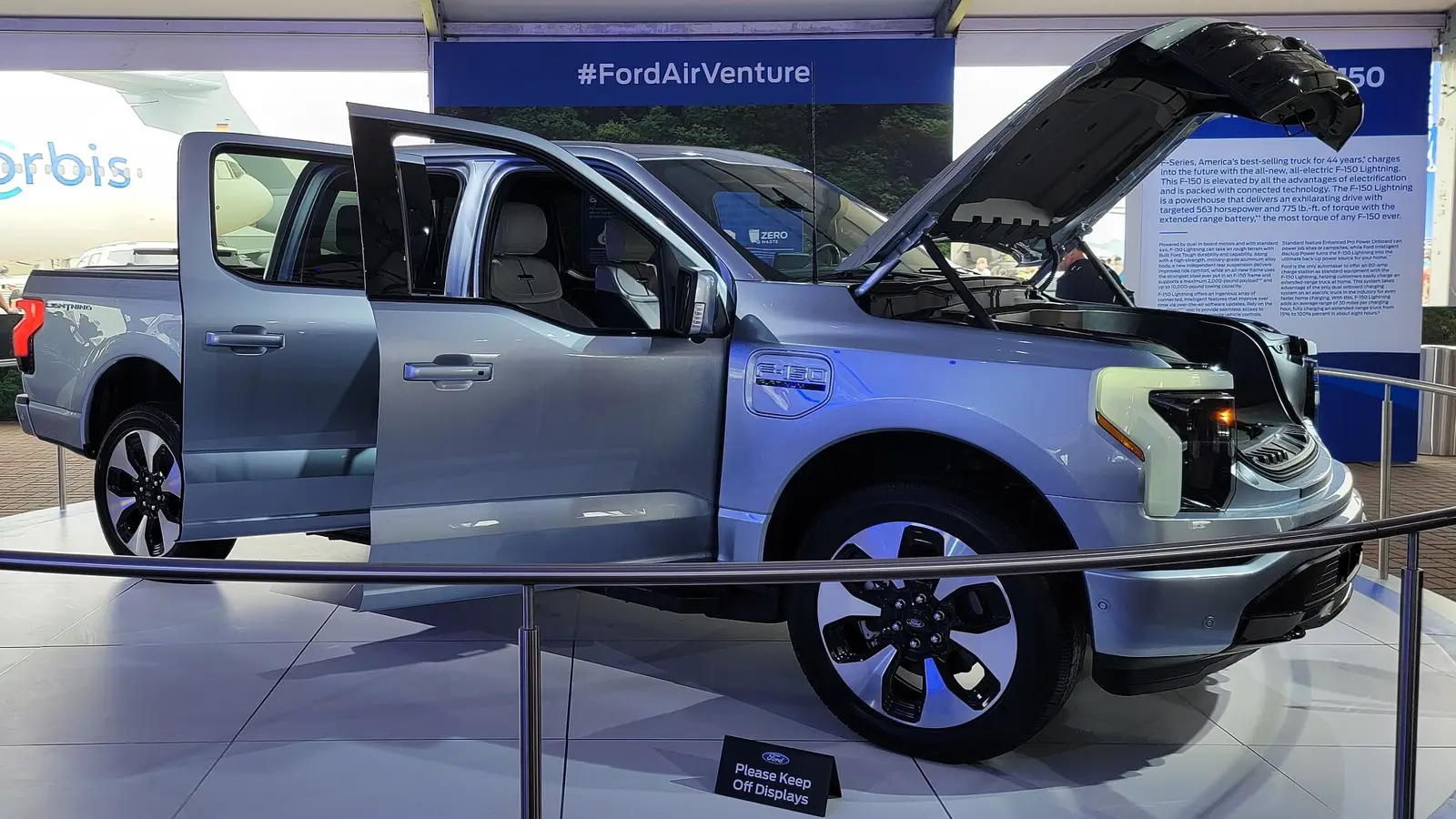

Ford reports an 88% increase in BlueCruise hands-free driving in 2025, led by F-150 owners, with longer trips and adoption across models according to Ford data
BlueCruise is rapidly moving from a convenience feature to a defining element of modern highway driving. Ford’s 2025 data shows that hands-free usage of the system increased by 88% year over year, while the number of trips taken with BlueCruise activated grew by 50%. The figures point not just to wider availability, but to consistent, everyday use by drivers.
During 2025, Ford and Lincoln put more than 500,000 new BlueCruise-equipped vehicles on the road, an 80% increase compared to 2024. As a result, the global fleet of vehicles supporting the technology reached 1.22 million units. More telling, however, is how often owners rely on it: U.S. drivers logged a sharp rise in hands-free miles, confirming that the system has become part of regular commuting and long-distance travel.
The Ford F-150 once again emerged as the core driver of BlueCruise adoption. In 2025, F-150 owners recorded 118 million hands-free miles and spent roughly 1.6 million hours using the system, marking a 101% increase from the previous year. Mustang Mach-E and F-150 Lightning models maintained strong usage as well, while the most dramatic growth came from the Lincoln Nautilus, which posted nearly a 250% year-over-year jump in both miles and hours.
Software updates played a key role in this expansion. Ford began shipping F-150 and F-150 Lightning models with BlueCruise 1.4 and rolled out updates to eligible vehicles already on the road. The impact was visible in usage data: F-150 Lightning drivers alone covered more than 32 million miles hands-free, nearly 60% more than in 2024. Looking ahead, the introduction of BlueCruise 1.5 with Automatic Lane Change is expected to further broaden how and when drivers engage the system.
While short trips still dominate usage—over 60% of BlueCruise journeys last under 20 minutes—longer drives are gaining momentum. In 2025, the number of highway trips exceeding one hour rose by 120%, highlighting growing confidence in the technology for extended travel. Holiday periods proved especially significant, with peak usage recorded ahead of Thanksgiving and in late December, when total miles and hours more than doubled compared to the prior year.
Geographically, the pattern remains consistent. California, Michigan, Texas, Florida, and Ohio continued to lead the nation in BlueCruise usage. California held its top position for the third consecutive year, with more than 23 million hands-free miles and over 370,000 hours logged in 2025 alone.
Taken together, the data suggests that BlueCruise is no longer an experimental add-on. With more than 600 million miles driven hands-free worldwide and further expansion planned across additional models and European markets in 2026, Ford’s system appears set for continued growth. If current trends hold, hands-free highway driving may soon become as routine for many drivers as adaptive cruise control once did.
Mark Havelin
2026, Jan 29 15:12