
Mercedes-Benz Presents Updated 2026 S-Class Sedan
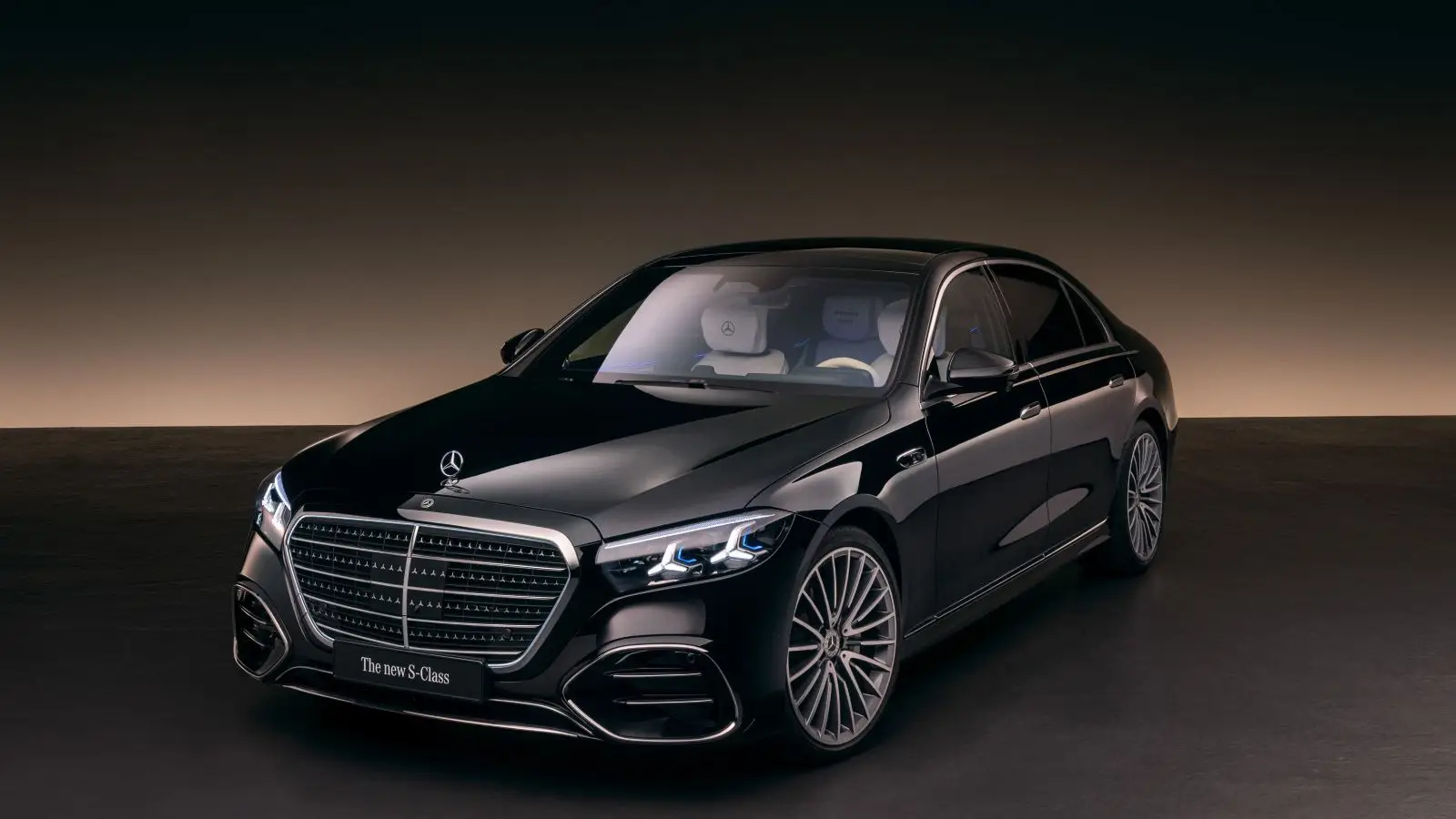
Mercedes-Benz reveals updates for the 2026 S-Class, covering design changes, interior technology, driver assistance systems, and powertrain options. Learn the details.
Mercedes has refreshed the S-Class for the 2026–27 model years in a way that feels closer to a reset than a routine facelift. The visual tweaks are obvious, but the real story is how many small decisions now point in the same direction: more presence on the road, more assist tech around the body, and a cabin that tries to be high-tech without turning every interaction into a screen-only task.
Up front, the change is hard to miss. The grille is said to be around 20% larger than before, amplifying that “flagship silhouette” effect where the car seems to arrive before it even gets there. The headlights adopt a new signature as well, and the upgrade isn’t purely cosmetic: the lighting hardware is described as having about 40% more LEDs, with an emphasis on sharper, more far-reaching illumination.
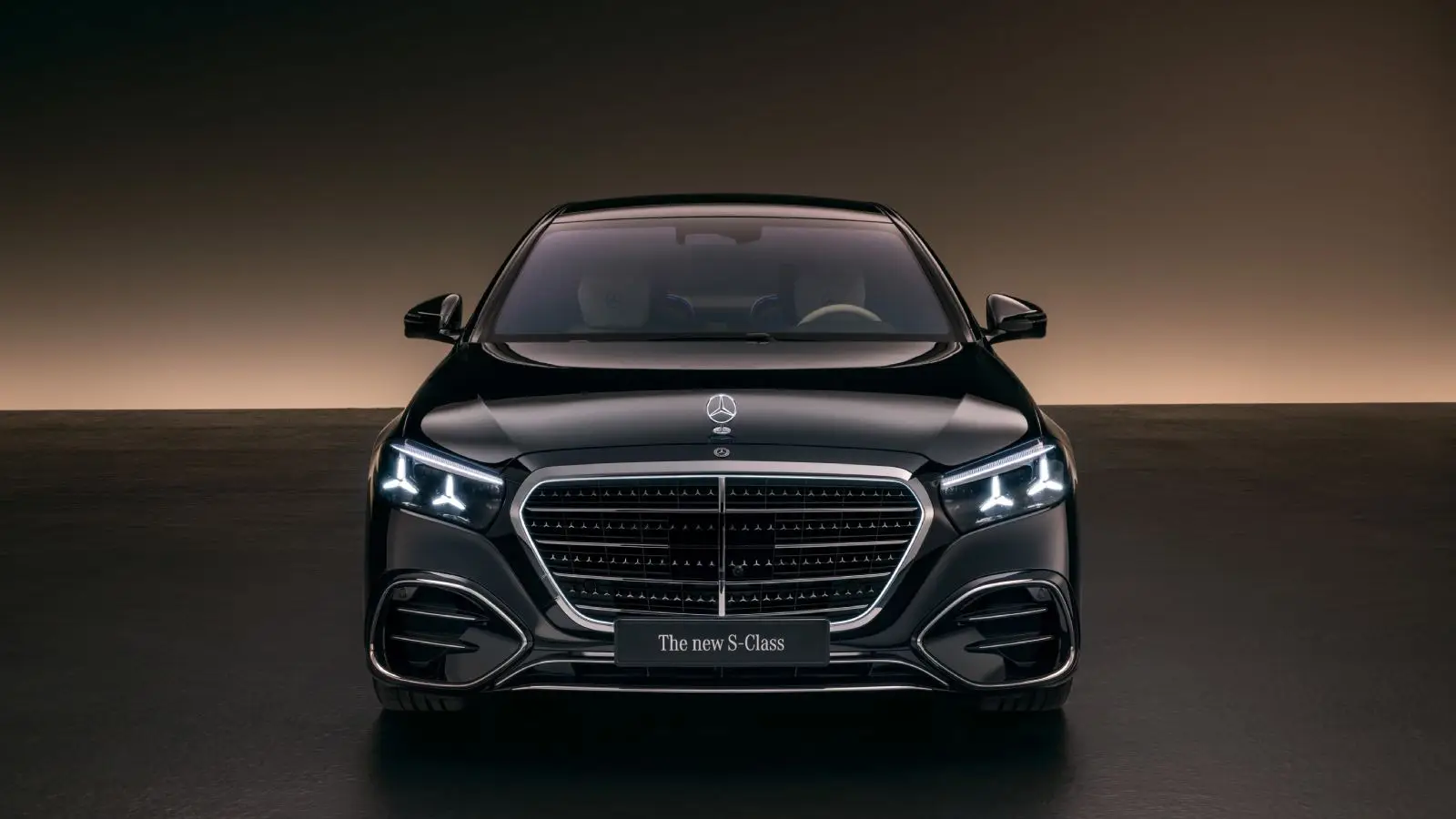
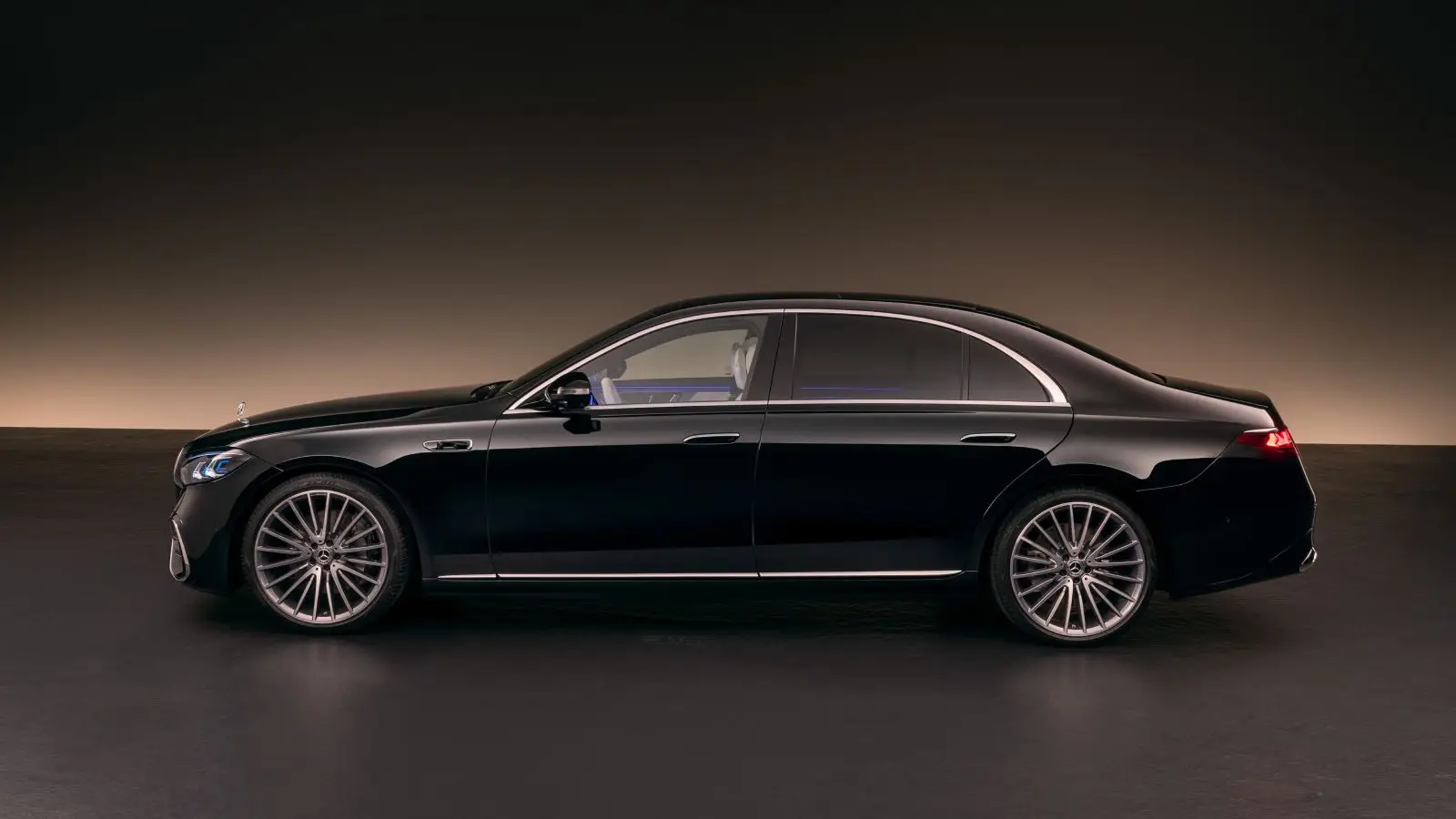
Mercedes also leans into personalization. The updated S-Class is presented with up to 150 exterior colors, including a “sparkling” factory finish that stands out especially along the side profile. In AMG Line trim, the front bumper reads more aggressive, yet the overall look can still skew elegant—particularly on cars without the Night Package, where chrome remains part of the design language instead of being blacked out.
Assistance systems are written into the car’s surface. There are visible exterior cameras and talk of more than 10 radars, a reminder that a modern flagship increasingly “sees” the road as a data-rich environment, not just a view through the windshield.
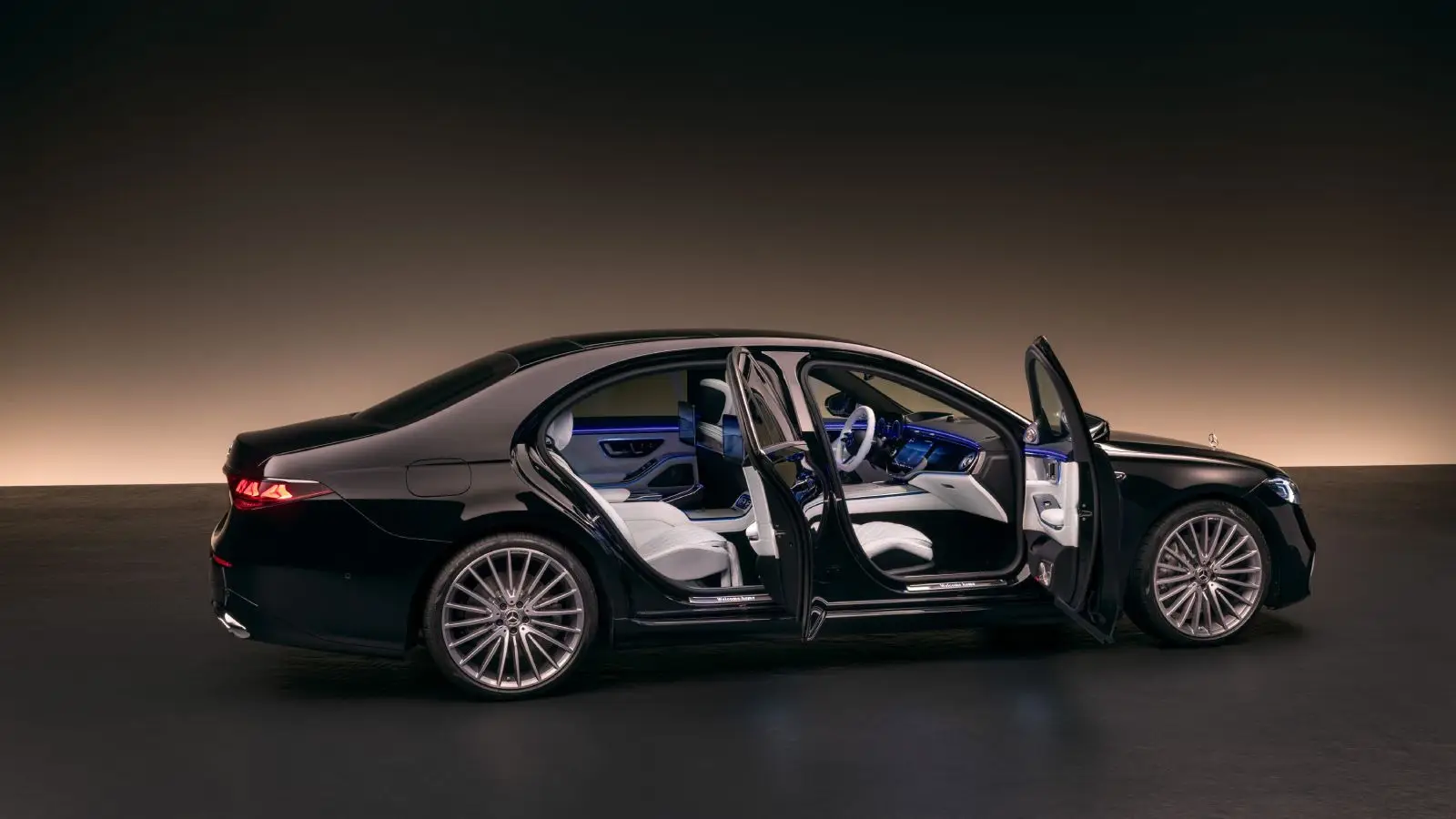
Inside, the updates revolve around scale, layout, and a renewed focus on touch. The dashboard is described as a three-screen concept: a 14.4-inch central display, a 12.3-inch passenger screen, and additional controls below. Importantly, the cabin adds more physical inputs—some with haptic feedback and some that feel genuinely pressable—an attempt to restore intuitive control without giving up the modern, display-led aesthetic.
Everyday practicality gets upgrades too. The center console now opens with a sliding motion, there are two USB-C ports, and the car introduces two wireless charging locations. Material choices also shift: door trims are described as richer and more detailed, explicitly positioned as a way to avoid making the interior “all screen.” The trim language is coordinated as well, with door materials echoed on the center console, replacing the earlier tendency toward gloss black or carbon-only surfaces.
On the software side, the new MBOS system is presented with integration of ChatGPT and Gemini. A webcam is said to be standard, tied to the presence of the passenger display. Some lighting and display-related details are also flagged as potentially market-dependent, with the European market mentioned as an area where regulations could influence what ultimately appears on production cars.
For rear passengers, the S-Class doubles down on the “VIP zone” idea. Screens are described as significantly larger, and control hardware shifts from a single larger tablet to two smaller, more phone-like tablets, intended to be easier to hold and assigned to individual passengers. Add in private-jet-style tables, optional refrigeration, blinds for privacy, and a separated panoramic roof arrangement, and the back seat reads less like a second row and more like a curated lounge.
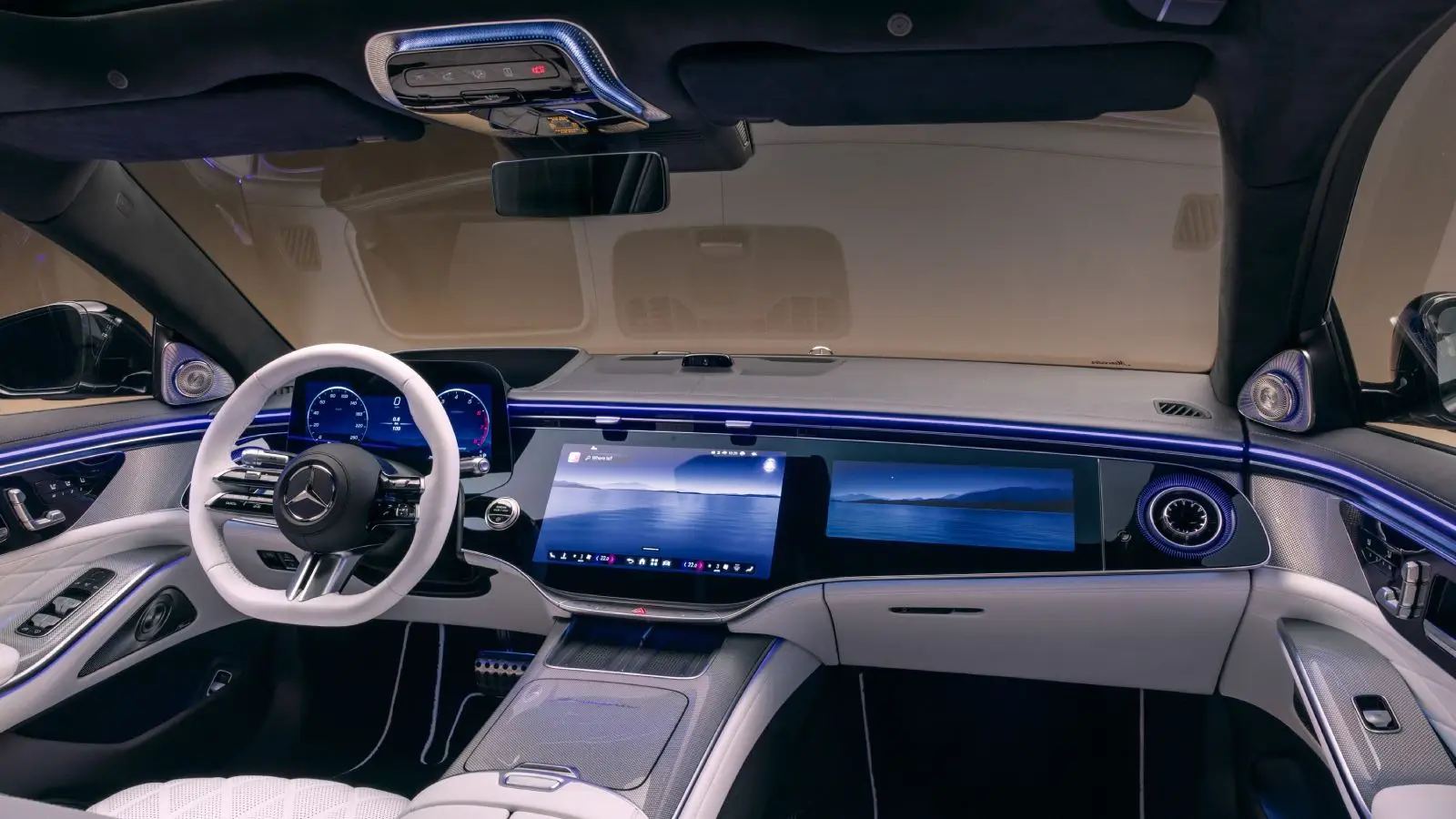
Sound and craftsmanship remain central to the pitch. A high-end Burmester surround setup is discussed as an option, with speakers extending into areas like the ceiling and pillar zones. The cabin is also described with Nappa leather and a broad range of customization—patterns, stitching choices, and personalized details across touchpoints such as headrests and entry areas.
Powertrain notes include an S 580 configuration without plug-in hybrid hardware, described with a 4.0-liter V8 biturbo producing over 527 horsepower. A hybrid alternative is referenced with a 3.0-liter six-cylinder and a total output of 585 horsepower. It’s a concise reminder that even as the interface becomes more digital, the S-Class still anchors itself in traditional flagship muscle.
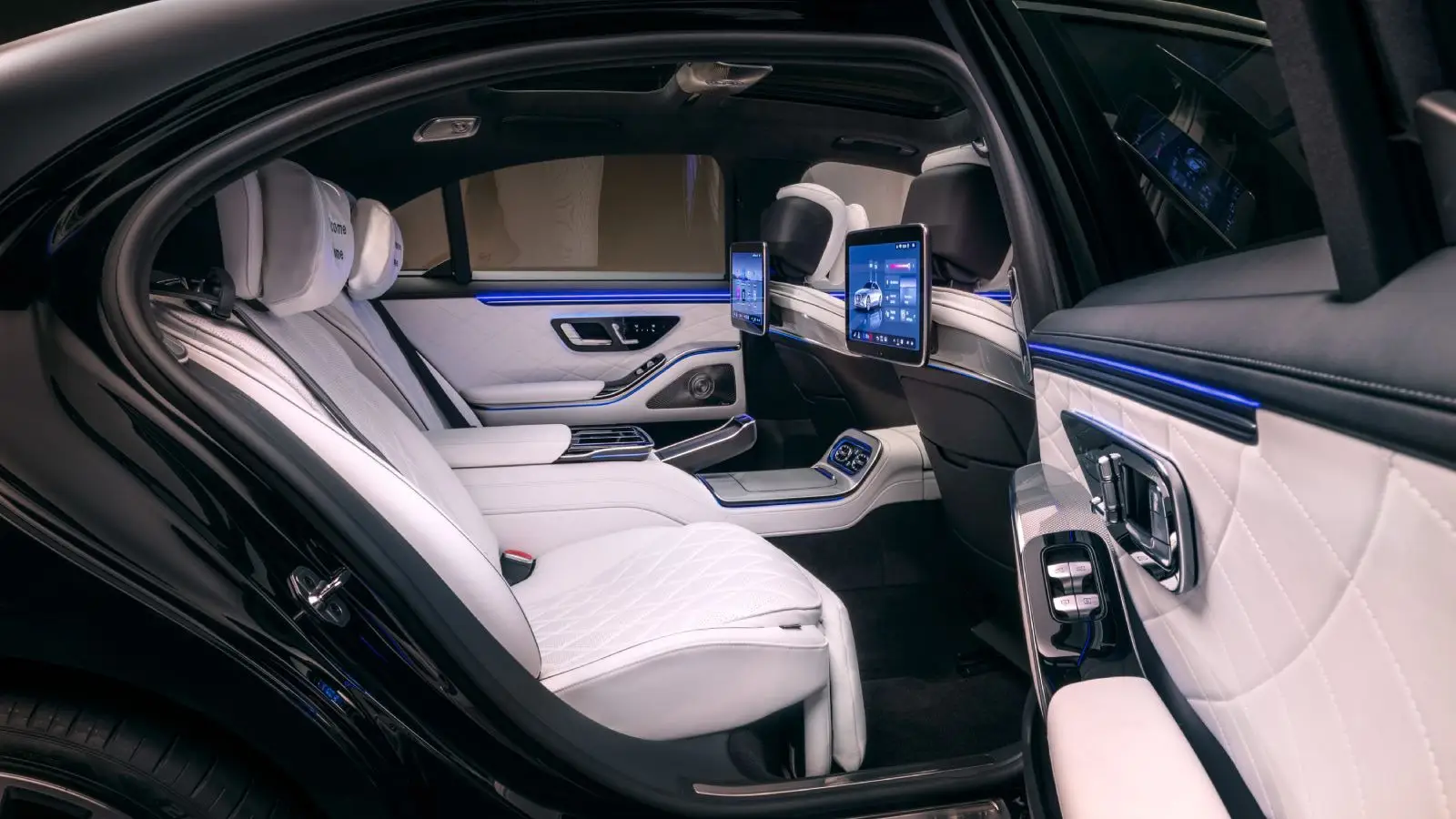
The most unexpected comfort detail might be the simplest: heated seat belts, presented as a first for this model. Paired with heated seats, it’s described as warmth that wraps closer to the body—one of those small, almost theatrical touches that quietly signals what the S-Class is trying to be: not just advanced, but reassuring.
Ethan Rowden
2026, Feb 02 19:37