
Hyundai’s XCIENT Fuel Cell Truck Fleet Passes 20 Million km in Europe
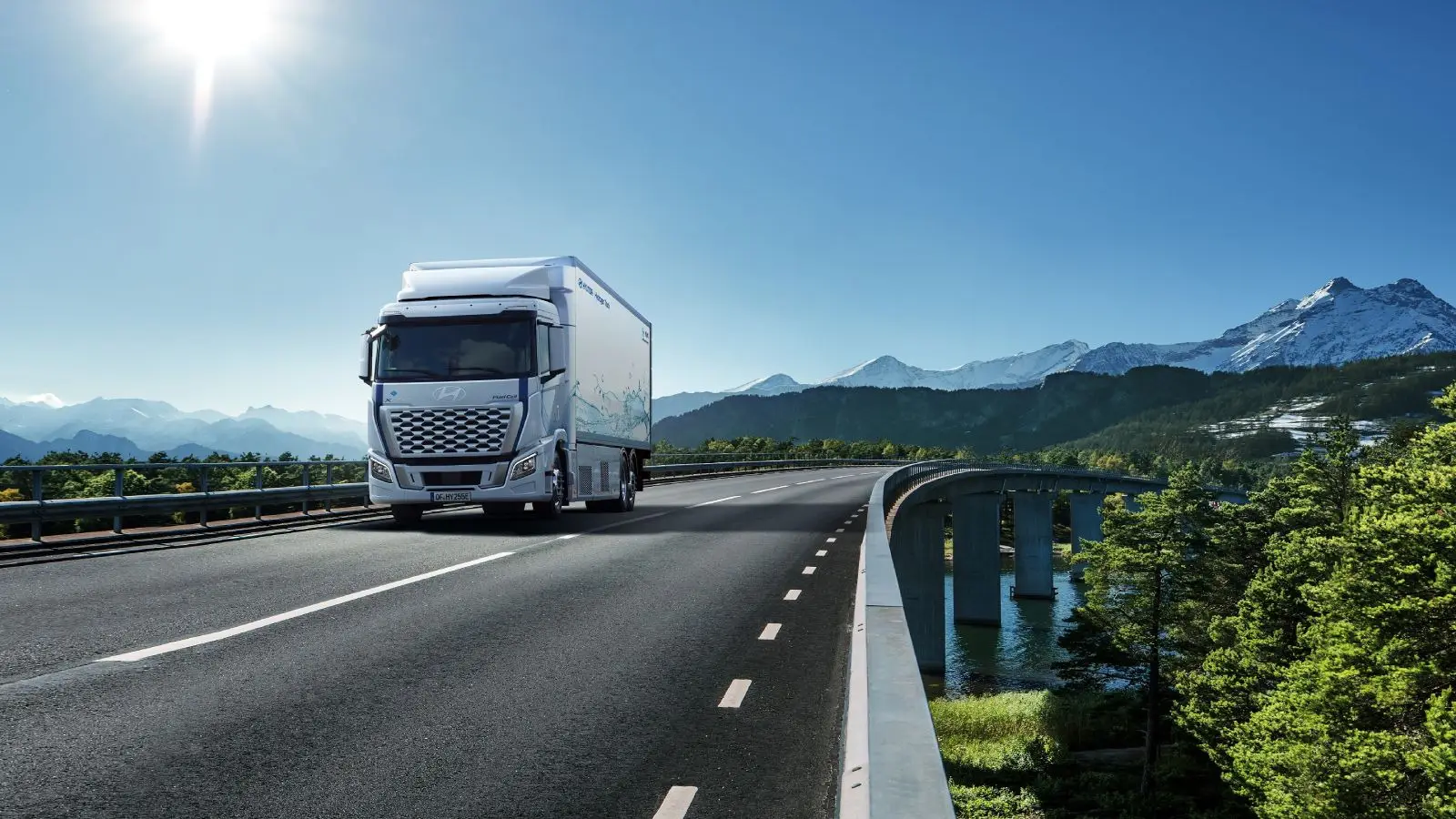
Hyundai reports its XCIENT Fuel Cell truck fleet has reached 20 million km in Europe. Learn where the trucks operate and what the milestone means.
Hyundai Motor has announced a major milestone in the development of hydrogen-powered commercial transport: its fleet of XCIENT Fuel Cell heavy-duty trucks in Europe has surpassed a cumulative 20 million kilometers of real-world driving. According to the company, the figure was reached as of January 2026 and reflects five years of continuous operation in demanding logistics environments.
The achievement is based on a fleet of 165 Class-8 XCIENT Fuel Cell trucks currently operating across five European countries: Switzerland, Germany, France, the Netherlands, and Austria. Hyundai says the milestone is more than symbolic, pointing to it as evidence that fuel cell electric vehicles can increasingly serve as a practical alternative to diesel-powered trucks in commercial transportation.
Switzerland was the first market for the XCIENT Fuel Cell program, with operations beginning in October 2020. By June 2024, the trucks in Switzerland alone had already accumulated 10 million kilometers, helping drive further expansion into additional European markets. Since then, Hyundai notes that the scope of use has widened beyond standard delivery operations into more specialized transport roles.
In Switzerland, the trucks are being used in food, beverage, and clothing logistics. In Germany, they support supermarket supply chains, textile companies, and major fleet operators. France has adopted the vehicles not only for retail logistics but also for specialized applications, including refuse and crane trucks equipped with electric power take-off (ePTO) solutions. In the Netherlands, Hyundai highlights a tarpaulin truck deployed by a construction materials distributor, while Austria has integrated a reefer van into supermarket operations.
Hyundai also estimates the environmental impact of the transition. The company states that if the same 20-million-kilometer distance had been driven by conventional diesel trucks, it would have produced around 13,000 tons of CO₂ emissions. Hyundai compares this reduction to the annual carbon absorption capacity of approximately 1.5 million pine trees.
Alongside the growing mileage, Hyundai continues to refine the platform. In 2025, the company introduced a new version of the XCIENT Fuel Cell truck featuring an upgraded hydrogen fuel cell system. The vehicle has been undergoing testing since 2021 across different climates and operating conditions, with Hyundai emphasizing collaboration with fleet operators to ensure suitability for use cases such as port transport and medium-distance logistics.
Hyundai is also reporting progress beyond Europe. In North America, the company says its XCIENT Fuel Cell fleet has surpassed approximately 1.6 million kilometers since its regional launch in 2023. A total of 63 trucks are currently operating there, including participation in the NorCAL ZERO Project in California, where 30 trucks are deployed in the Port of Oakland area. In Georgia, 21 trucks support logistics operations at Hyundai Motor Group Metaplant America through the HTWO Logistics initiative with GLOVIS America. Hyundai also references Canada’s BC Hydrogen Ports Project as a major effort to introduce hydrogen and fuel cell technology into British Columbia’s shipping and transportation sectors.
Reaching the 20-million-kilometer mark strengthens Hyundai’s case that hydrogen fuel cell trucks can deliver stable performance in commercial logistics. If the fleet continues to demonstrate reliability across diverse routes and applications, hydrogen technology may gain further momentum in segments where battery-electric trucking still faces challenges related to payload weight, driving range, and downtime.
Mark Havelin
2026, Feb 06 05:06