
U.S. Automakers Scramble to Comply With Chinese Software Ban
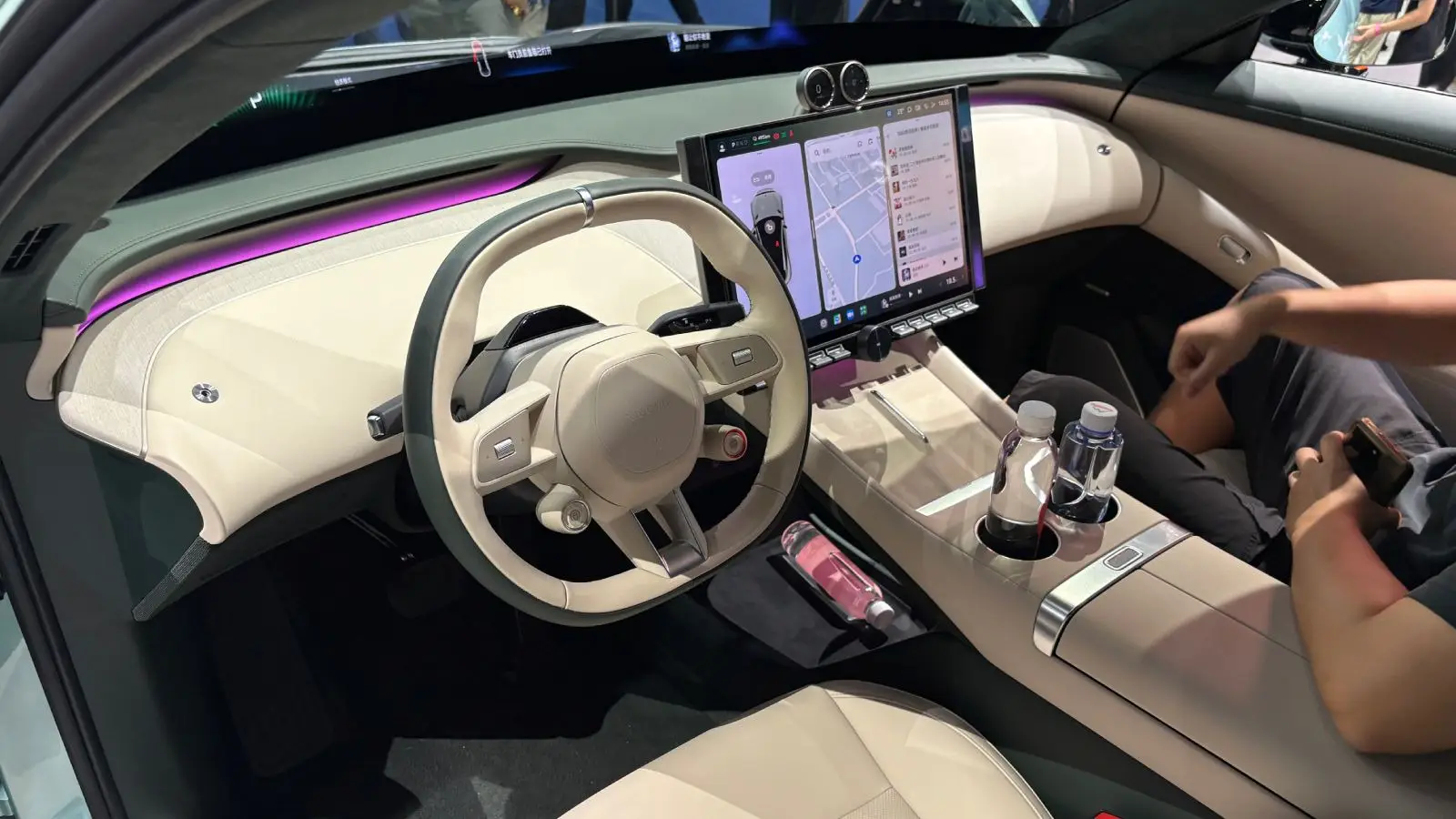
U.S. automakers are racing to remove Chinese-written software from connected cars under new BIS rules. Learn what changes for supply chains and tech.
U.S. automakers and their suppliers are now racing against the clock as new federal requirements effectively ban Chinese-written software from critical connected-vehicle systems. The regulation, issued through the Commerce Department’s Bureau of Industry and Security (BIS), is framed as a national security measure and is already being described as one of the most complex compliance challenges the industry has faced in decades.
Under the new rules, carmakers must certify that key connected systems in their vehicles do not contain software developed in China or by Chinese-controlled entities. The scope is broad, targeting telematics, GPS systems, microphones, cameras, cloud-connected services, and advanced driver-assistance software. Hardware restrictions tied to connectivity components are also set to follow later, beginning in 2029.
The core difficulty is that modern automotive software is no longer a single, easily traceable product. It is layered, outsourced, and often built through sprawling supply chains involving subcontractors, joint ventures, and third-party development teams. While semiconductor sourcing can usually be tracked through procurement channels, embedded code is far harder to verify, forcing automakers into deep audits that may require examining software line by line to ensure compliance.
The disruption is amplified by the fact that replacing hardware is generally manageable, but replacing software is not. Vehicle code is typically bespoke, deeply integrated into the architecture of each platform, and expensive to rewrite, validate, and re-certify. That makes rapid compliance especially risky when safety-related functions and driver-assistance systems are involved.
One of the most sensitive pressure points is the market for cellular connectivity modules. Chinese suppliers control an overwhelming share of global cellular-module production, turning them into a critical chokepoint for automakers trying to comply. In practice, shifting away from these suppliers could mean higher costs and fewer alternatives, adding further strain to already tight development timelines.
The ban also arrives amid mounting political resistance to Chinese automotive expansion in the United States. The rule does not only apply to vehicles built in China, but also to connected cars produced by companies under Chinese control, even if final assembly takes place elsewhere. That approach could serve as a structural barrier to Chinese-branded vehicles entering the U.S. market, potentially reshaping competition before it even begins.
As manufacturers scramble to untangle their software dependencies and restructure supplier relationships, the broader message is clear: the modern car has fully become a computer on wheels, and the origin of its code is now as politically sensitive as the origin of its engines or batteries. In the coming years, the industry may be forced to redesign connected-vehicle architectures with stricter oversight in mind, prioritizing supply-chain transparency and reducing reliance on single regions for critical digital systems.
Allen Garwin
2026, Feb 08 18:11

