
NADA Backs Efforts to Keep Chinese Automakers Out of the US
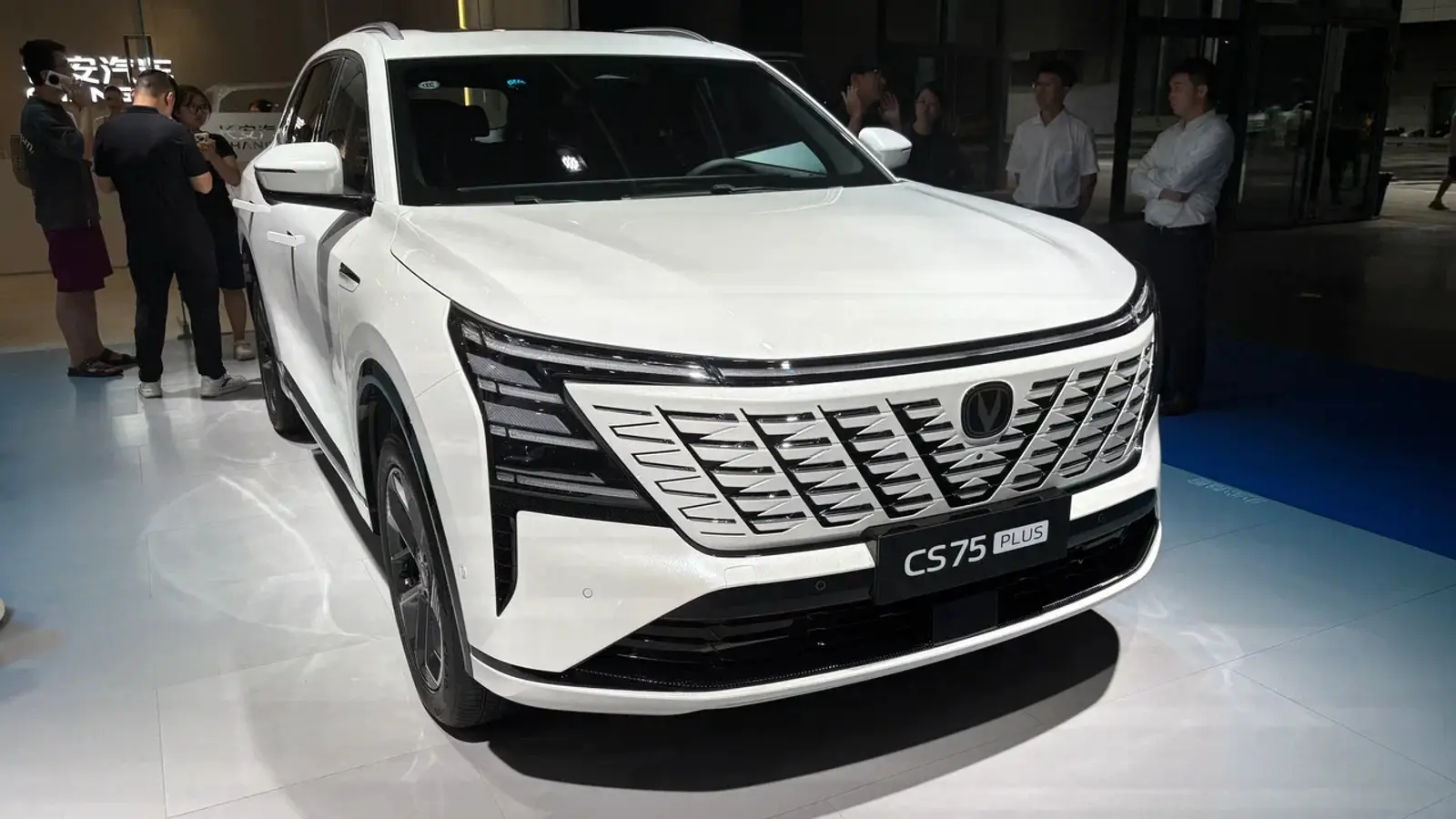
NADA supports US policies to block Chinese automakers, citing security risks and unfair competition. Learn what CEO Mike Stanton said and why the debate is growing.
America’s auto dealers are stepping up pressure on Washington to keep Chinese automakers out of the US market. The National Automobile Dealers Association (NADA) has openly backed policies designed to block Chinese OEMs, framing the issue as a mix of economic disruption and national security risk.
NADA’s concerns focus on what it describes as unfair competitive advantages fueled by heavy state support in China, combined with the ability of Chinese manufacturers to undercut pricing and rapidly scale production. The association has also pointed to the growing role of connected vehicle software and technology as a potential security vulnerability.
Speaking at the Haig Partners Maximizing Value Conference, NADA CEO Mike Stanton said the organization’s position is broadly supported inside its leadership. According to Stanton, around 95 percent of NADA’s board of 65 dealers believes the association should continue backing the administration’s efforts to keep Chinese automakers out of the country. He argued that allowing Chinese OEMs into the US market would be “bad for the industry, bad for the country, and bad for consumers.”
While NADA is not explicitly telling dealers to reject potential Chinese franchises, it is aligning itself with political and regulatory measures that would effectively prevent Chinese vehicles from gaining a foothold in the United States.
The group’s position comes as the US maintains some of the toughest trade barriers against Chinese electric vehicles. Current policy includes a 100 percent tariff on Chinese-made EVs, a measure that makes direct imports largely uncompetitive.
Regulators are also tightening restrictions on technology. The US Department of Commerce, through the Bureau of Industry and Security, has finalized a rule that would ban connected vehicles containing certain covered software tied to China beginning with model year 2027, with restrictions later extending to key hardware components.
Even so, Chinese automakers continue to expand across North America through alternative routes. Their presence is growing in Mexico and Canada, positioning brands closer to the US border despite the hurdles created by tariffs and regulatory pressure.
Industry leaders have increasingly described China’s rapid progress in EV development, vertically integrated supply chains, and battery dominance as an existential threat to Western manufacturers. With electrification and connectivity shaping the next era of the auto market, the debate over Chinese automakers is likely to become even more politically charged.
Allen Garwin
2026, Feb 09 10:05