
The Racing Origins of Porsche’s Centered Tachometer
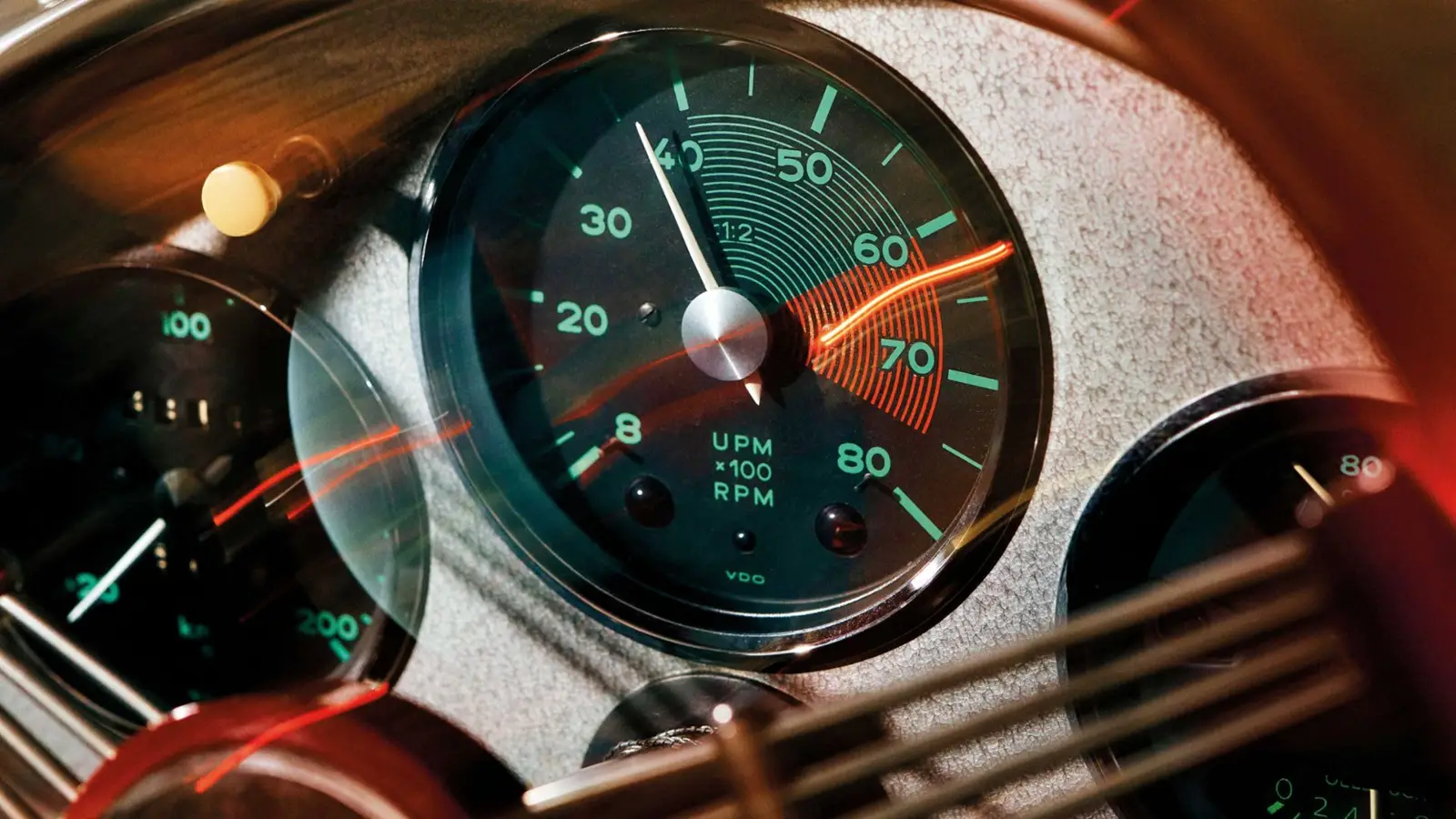
Explore how Porsche’s centered tachometer emerged from motorsport, shaped cockpit design for decades, and remains central even in modern digital interiors.
For more than seven decades, Porsche interiors have been defined by a detail that immediately reveals their origins: the round tachometer positioned at the center of the instrument cluster. This was never a styling gesture, but a functional decision rooted in motorsport.
.JPG)
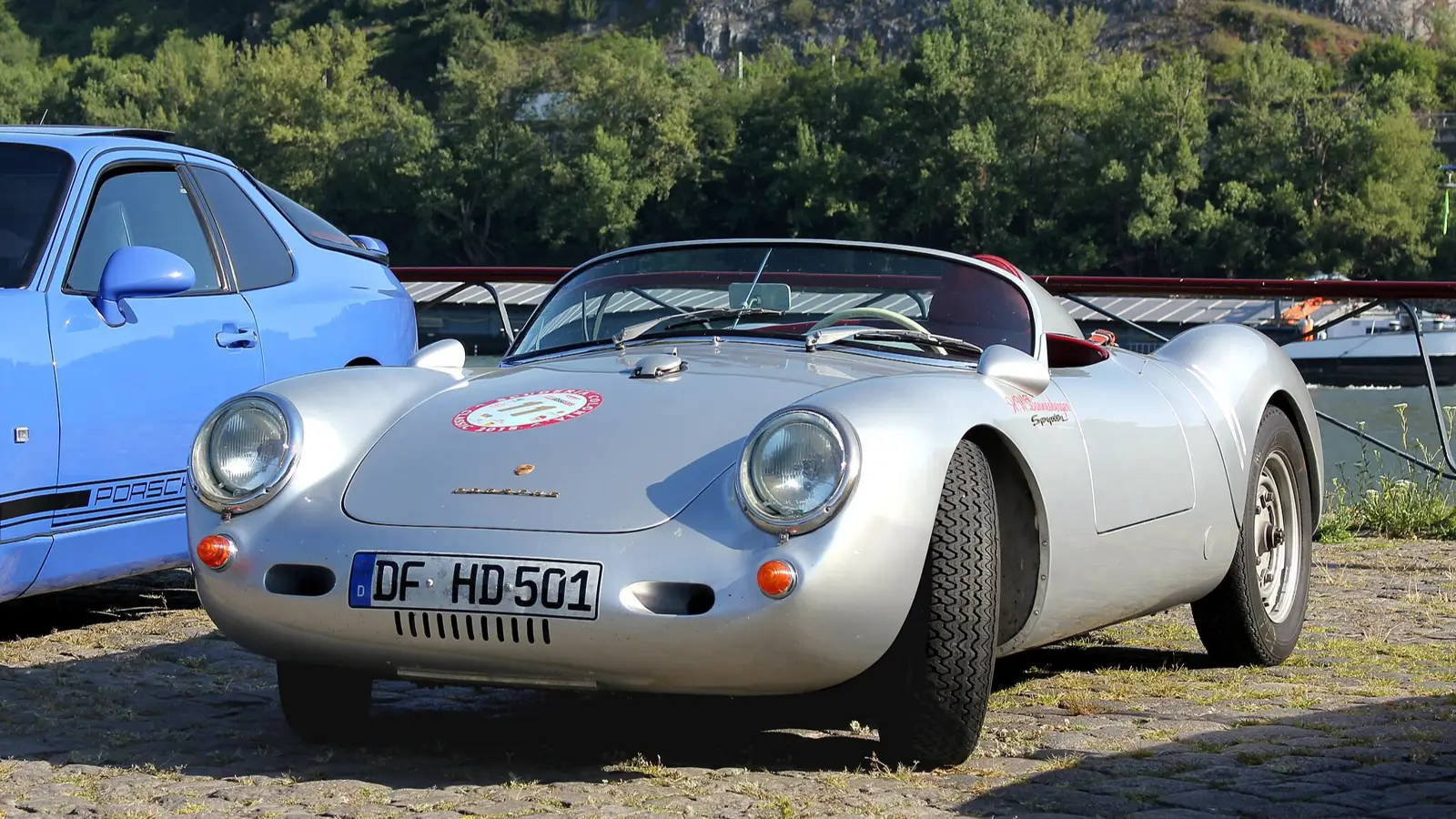
The centrally positioned tachometer first appeared in 1953 on the Porsche 550 Spyder, the brand’s first car developed specifically for racing. During the Carrera Panamericana, drivers Hans Herrmann and Karl Kling focused less on outright speed and more on engine revolutions. RPMs determined the ideal shift point and helped keep the engine within its optimal operating range. Placing the tachometer at the center allowed drivers to monitor this critical information continuously, without diverting their attention from the road.
That racing experience soon found its way into production cars. By 1955, the centered tachometer had been adopted in the Porsche 356 A, and by the debut of the 901—later renamed the 911—it had become a defining element of Porsche’s identity. While early models managed with three round instruments, the 911 expanded the layout to five gauges, with the tachometer still occupying the central position.
.jpg)
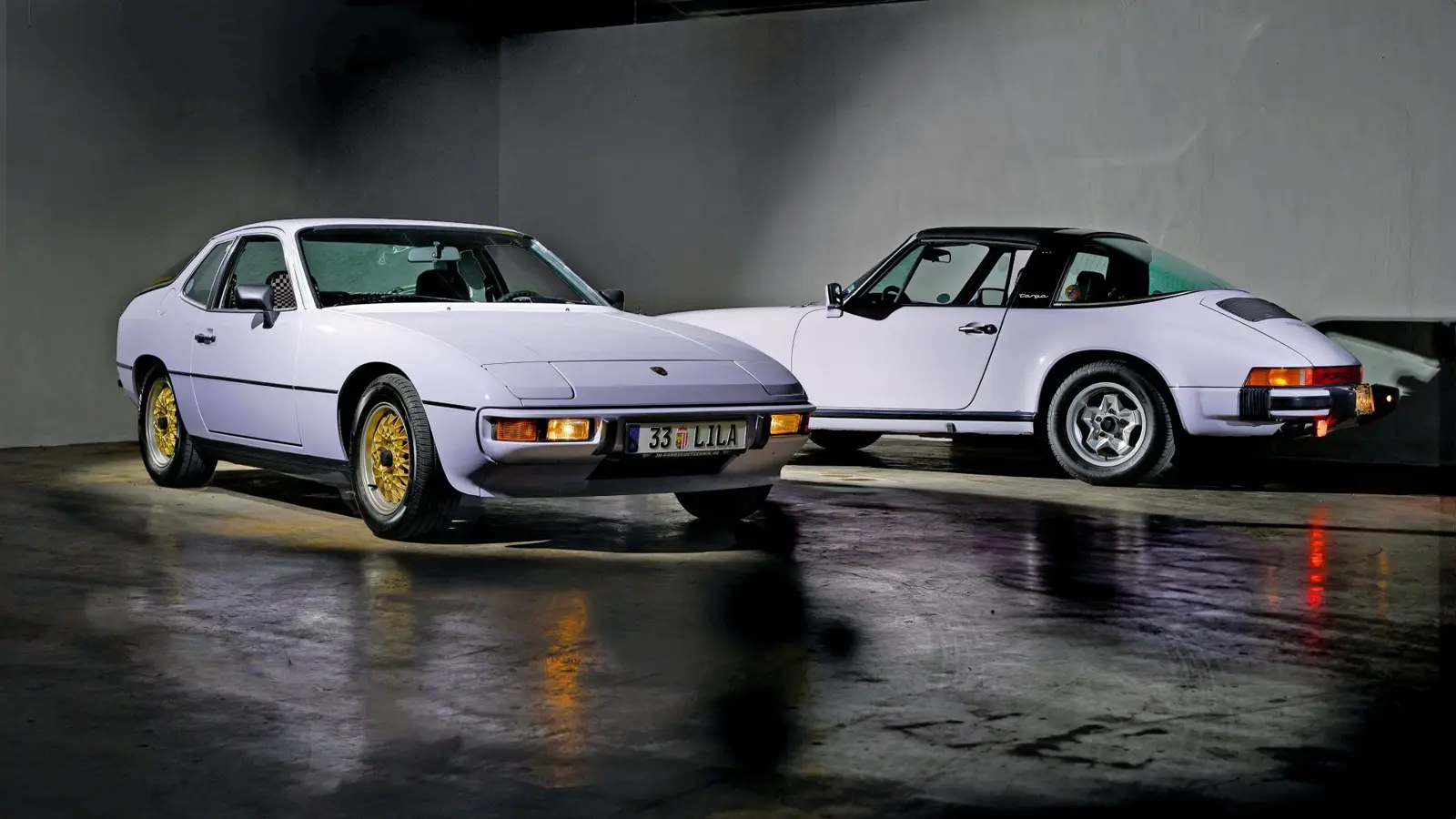
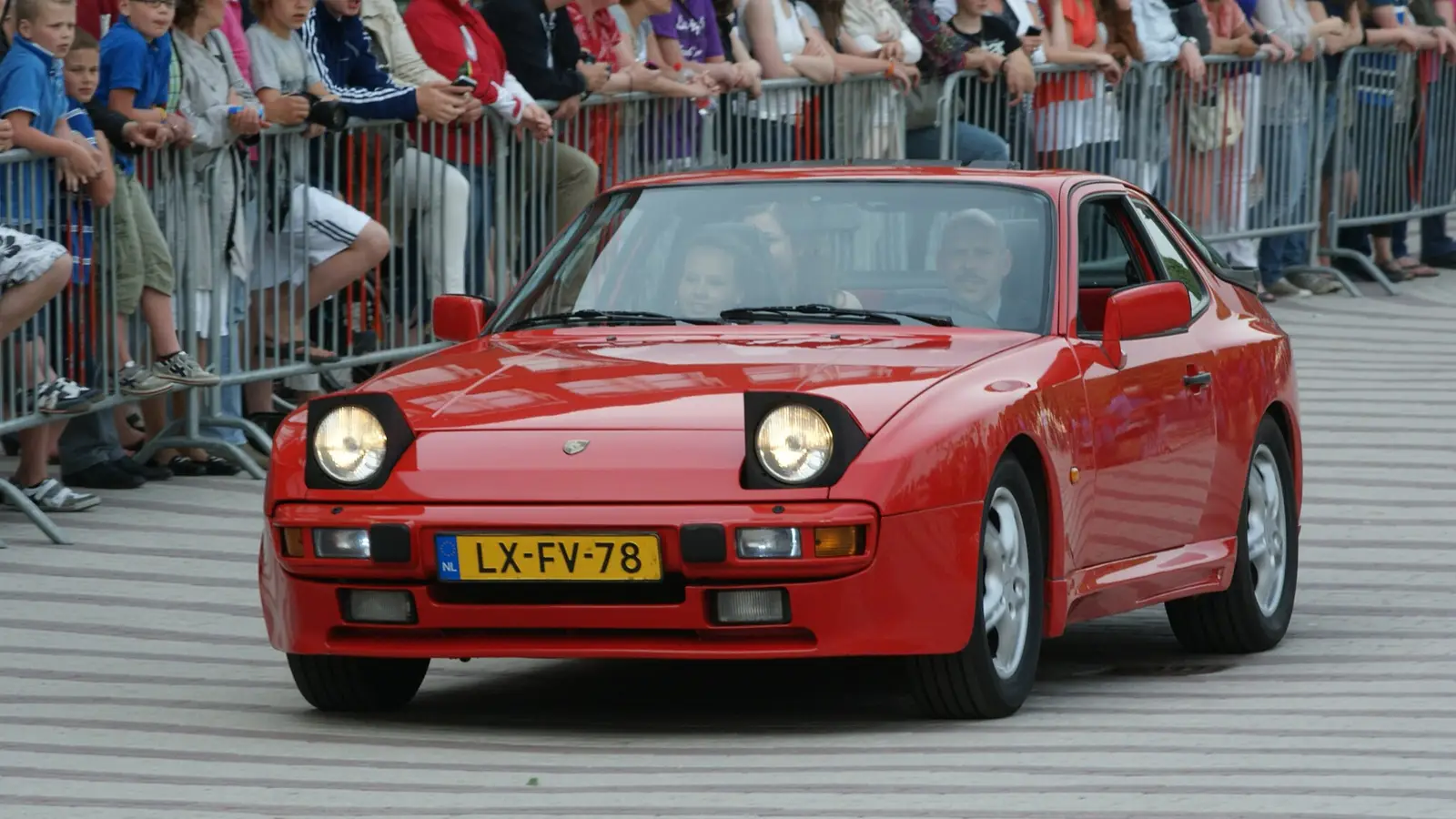
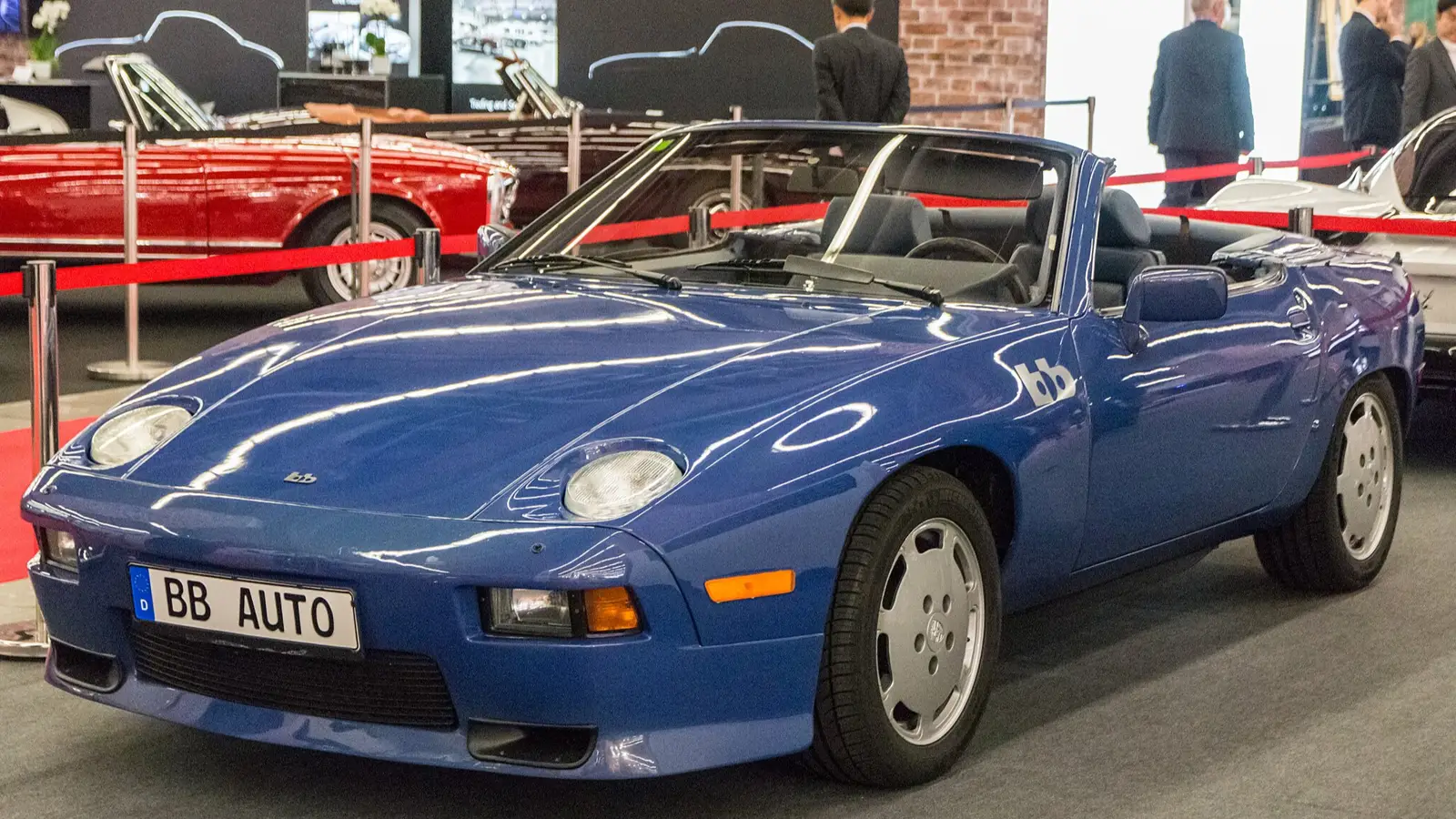
There were exceptions. Transaxle models such as the 924, 944, 968, and 928, along with the first-generation Cayenne, followed a different cockpit logic, giving speedometer and tachometer more equal visual emphasis. Yet mid-engine cars like the 914, and later the Boxster and Cayman, returned to a three-gauge layout as a clear homage to the 550 Spyder and its racing heritage.

In the digital era, the tradition has evolved rather than disappeared. In current generations of the 911, the tachometer remains the focal point of the display, even when rendered digitally and combined with additional information. Its central position continues to link modern Porsche cockpits with their motorsport roots, illustrating how a race-driven solution became a lasting symbol of the brand.
Mark Havelin
2026, Feb 10 09:11