
How Ford Designed BlueCruise as a Collaborative Driver Assistance System
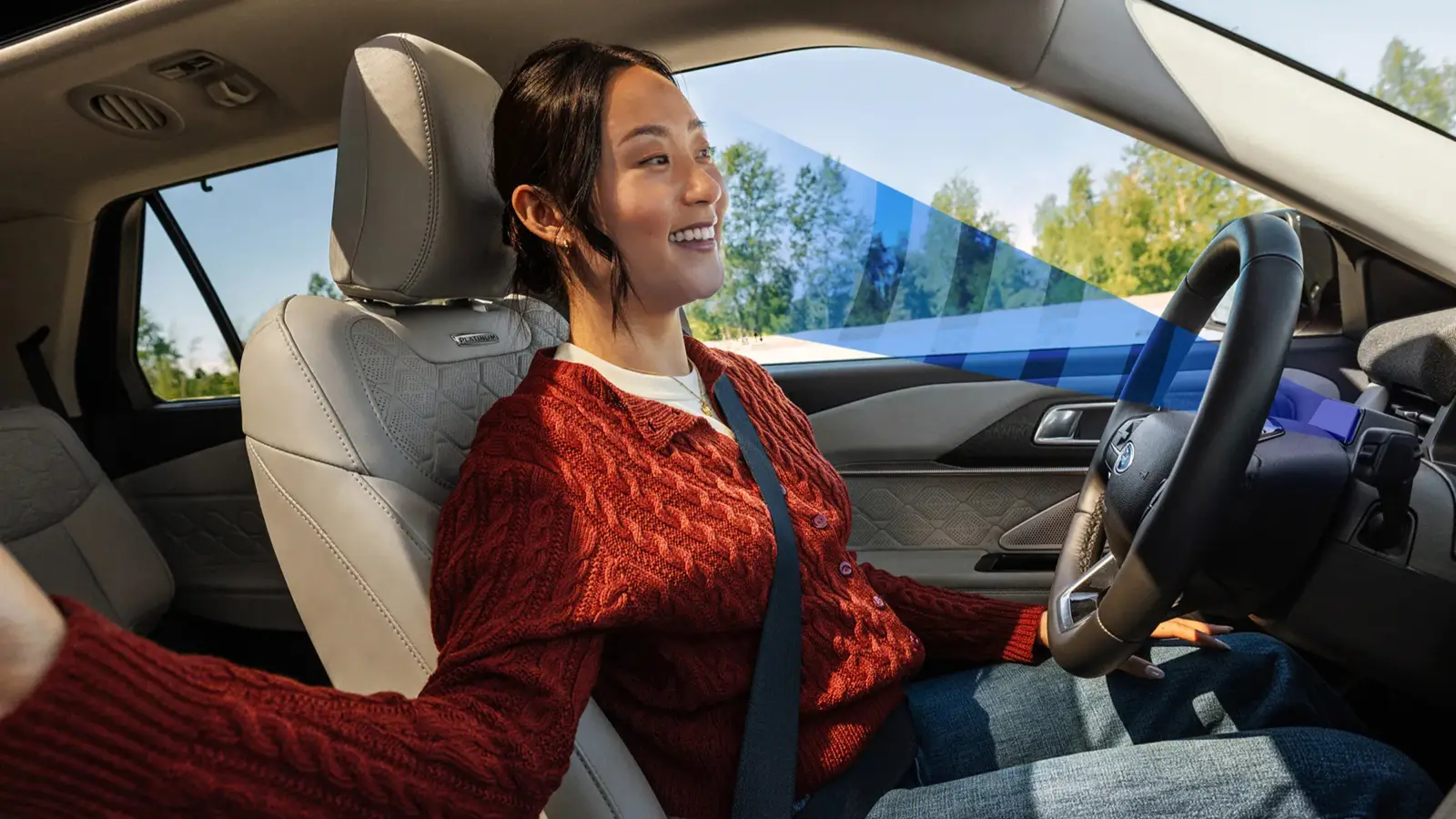
Ford ADAS and safety teams explain how BlueCruise works, why it remains a Level 2 system, and how driver engagement shapes its hands-free highway design.
Ford has shared new details about the development of its BlueCruise driver-assistance system, making it clear that the company is not positioning the technology as an “autopilot,” but rather as a form of collaborative driving where the driver remains fully responsible. In the article, Ford’s ADAS, design, and safety teams emphasize that BlueCruise is a Level 2 system, meaning it can allow hands-free highway driving under specific conditions, but still requires constant attention and the ability to take over immediately.
BlueCruise operates in designated “Blue Zones,” defined as controlled-access highways. Ford says the system is available on 97% of controlled-access highways in the U.S. and Canada, and is currently used in 17 countries. The company also highlights the scale of adoption: around 1.22 million BlueCruise-equipped vehicles are on the road worldwide, and the technology has already been used for more than half a billion miles of hands-free highway travel.
A central part of Ford’s approach is the idea of a “collaborative” system. Unlike some competing Level 2 solutions, BlueCruise is designed to let the driver make natural adjustments without instantly disengaging the feature. A driver can shift slightly within the lane, accelerate to pass, or perform a lane change while the system remains active. Ford supports this concept visually through the interface: when BlueCruise is engaged, the instrument cluster turns a distinctive blue and displays clear text notifications so drivers can instantly recognize the system’s status.
Driver communication is another key theme. Ford says BlueCruise warnings are built around clarity, using simple icons, text-based alerts, and sound cues. If lane markings become difficult to detect, the system is designed to warn the driver before reaching its operational limits, showing a prominent RESUME CONTROL message paired with audible tones.
Driver monitoring remains a major safety safeguard. Every BlueCruise-equipped vehicle includes a dedicated monitoring system that tracks eye gaze and head position through a driver-facing camera, which Ford says can function even when the driver is wearing sunglasses. If the system detects that the driver’s attention has shifted away from the road, BlueCruise delivers escalating audio and visual warnings and can ultimately hand control back to the driver. Ford also notes that the camera is only active when BlueCruise or lane centering assist is being used, and that images are not transferred off-board to Ford during normal operation.
Ford describes BlueCruise as a “living system” that continues to evolve through software updates. Since 2021, the company has launched five generations of BlueCruise software, based on extensive real-world testing and collected driving data. Examples of improvements include more natural lane changes, slowing slightly on certain curves to better match driver expectations, and shifting slightly away from large vehicles such as semi-trucks when detected in an adjacent lane.
The company also points to growing customer adoption. Based on Ford’s internal data, BlueCruise usage in the U.S. surged in 2025, with an 88% increase in total hands-free miles driven and a 50% increase in the number of BlueCruise trips compared with 2024. Ford adds that the global fleet of BlueCruise-equipped vehicles expanded by more than half a million units during 2025.
At the same time, Ford repeatedly stresses the limits of the technology. BlueCruise is not a self-driving system and is not designed to allow drivers to look away from the road. The company also states that it does not beta test new autonomy features on customers, relying instead on controlled testing before releasing major updates.
Looking ahead, Ford frames each new BlueCruise capability as a step toward its broader goal of introducing “eyes-off highway driving” in 2028. For now, the company’s strategy appears focused on building trust through transparency, clear driver communication, and a design philosophy that keeps the driver engaged as an active part of the system. The rapid increase in BlueCruise usage suggests that hands-free highway driving is gaining momentum, while also reinforcing why Ford continues to underline one key message: the driver remains essential.
Mark Havelin
2026, Feb 10 19:23

