
2026 Genesis GV70 Refresh with New 27-Inch Display
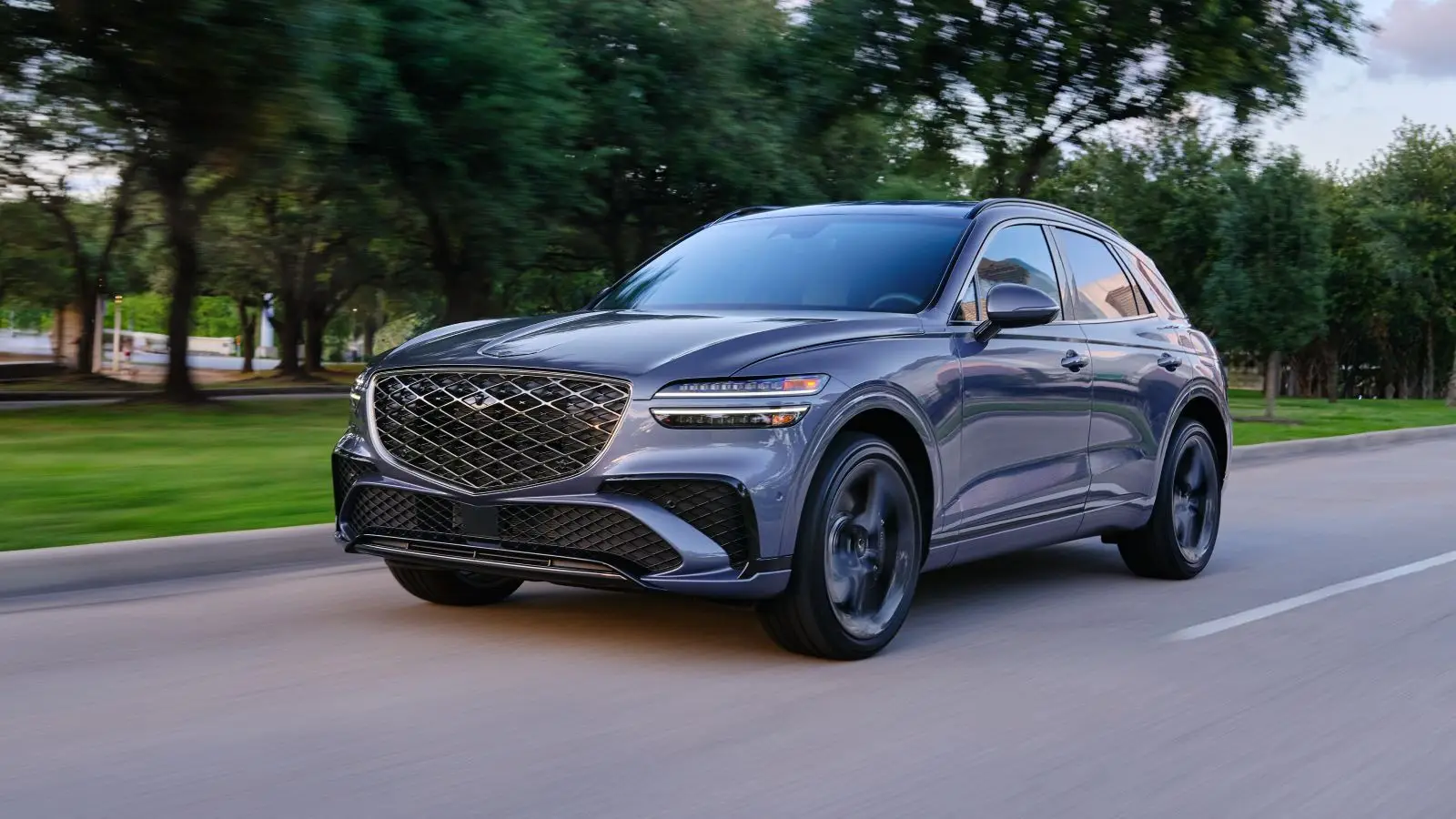
Explore the 2026 Genesis GV70 refresh with updated design, 27-inch display, V6 engine options, and technology upgrades. See key details and pricing.
Genesis GV70 in 2026 gets its first proper refresh, and it’s the kind of update that doesn’t shout from across the car park—it leans in closer and makes you notice the details.
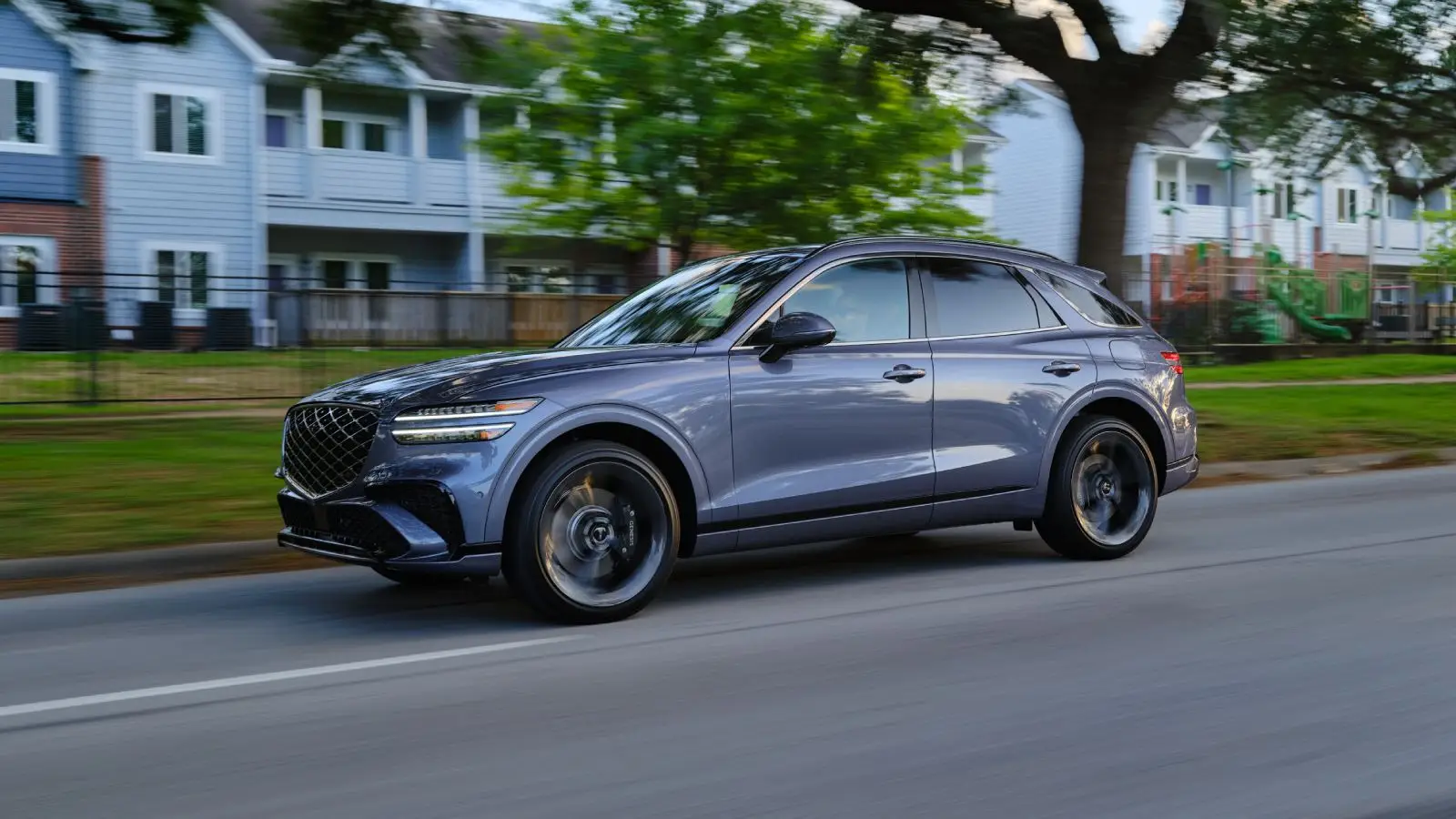
On the outside, Genesis largely resists the temptation to redraw what was already distinctive. The changes are small but deliberate: a revised lower front fascia, brighter, crisper LED headlights, and a grille with a new double-lattice look. Even the rear keeps the same overall shape, though the lower valance is redesigned and the exhaust tips swap their old oversized ovals for a more muted rectangular finish.
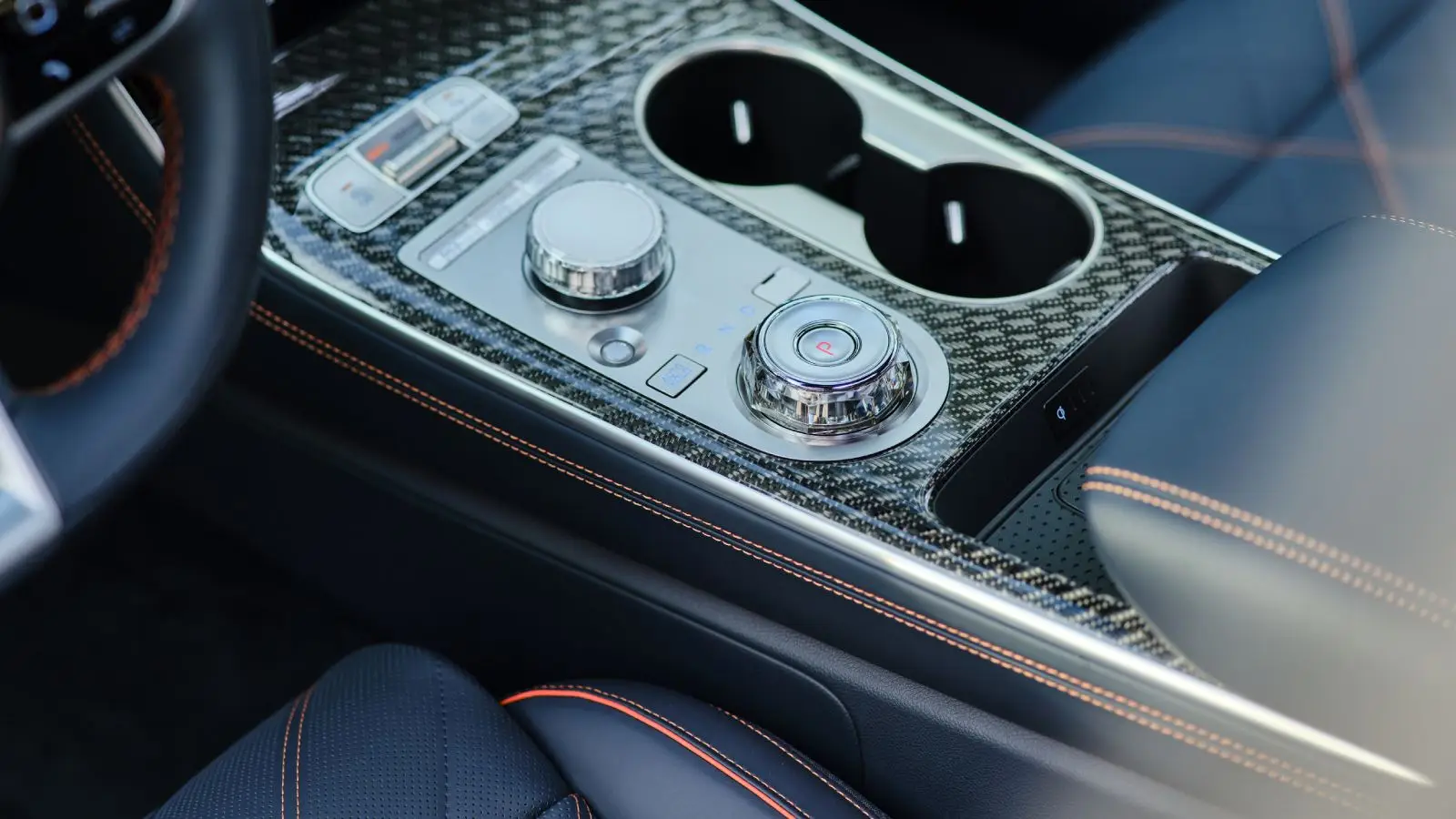
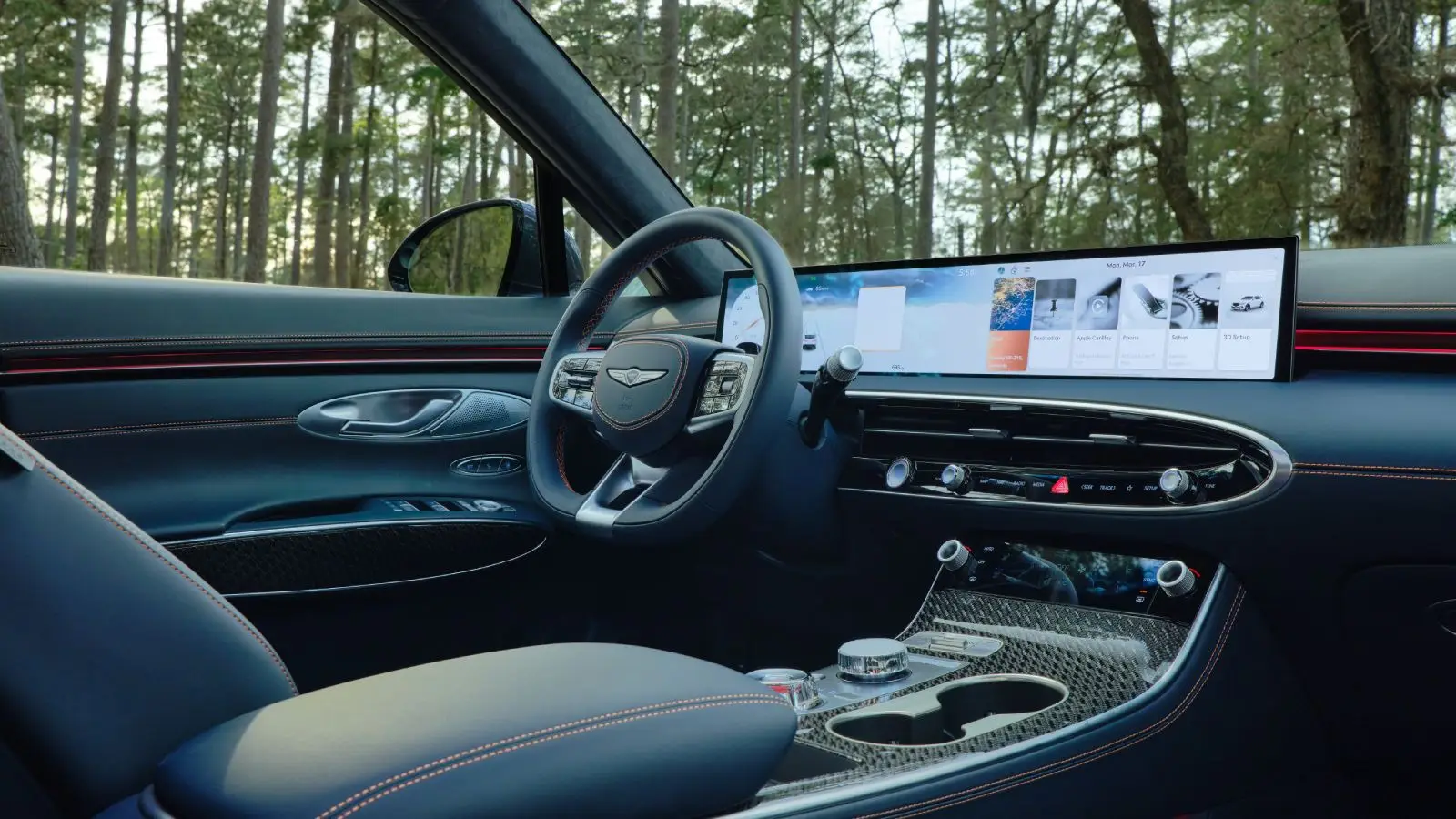
Step inside, and the story flips. The cabin is where the 2026 GV70 really shows its hand: the dashboard sits lower and flatter, and a single 27-inch display now stretches across the fascia in place of the previous split setup. Just as important, it doesn’t force you into an all-screen lifestyle—there’s still a dedicated space for climate controls and a backup physical dial/controller, a combination that simply makes more sense when you’re driving.
There’s a fresh layer of design texture, too: wider diamond patterns in the seats, orange stitching and even orange seat belts as a nod to Magma Racing. Practical upgrades sit alongside the styling—rear-seat belt pretensioners appear where they weren’t offered before, and acoustic side glass is added to help keep the cabin quieter, particularly in the back.
Tech improvements aren’t just cosmetic. A 16-speaker Bang & Olufsen audio system features in the mix, and for 2026 Genesis introduces wireless updates that can adjust ECUs—an under-the-skin change that hints at the car getting better over time, not just older. Custom ambient lighting, a head-up display, and Wireless Android Auto round out the modern luxury checklist.
Mechanically, the GV70 keeps a familiar choice: a twin-turbocharged 3.5T V6 with 375 horsepower and 391 lb-ft of torque, or a 2.5T turbo four-cylinder with 300 horsepower and 311 lb-ft. Either way, you get all-wheel drive and an eight-speed automatic. The V6 is framed as the heart of the experience—more refined in sound and response—though it comes with the obvious trade-off: thirst and range.
Live with the GV70 for a while, and the ownership picture sharpens. Over more than six months and 10,000 km, an average of 10.1 L/100 km was recorded, with minimum 95-octane required and most running done on 98. The result is frequent fill-ups—roughly every 600–650 km. Highway driving is noted as more efficient, but overall the running-cost reality doesn’t pretend to be small.
And yet, this is where Genesis plays a different premium game. Service intervals are 12 months/15,000 km, and the first five years of servicing are included. The standout is the “Genesis to You” experience: the car can be collected, serviced, and returned, with a loan vehicle left behind—an approach that makes luxury feel less like a badge and more like time saved.
On the road, the 2026 model is described as improved, with better lane centering and a strong highway driving assist feature (though not hands-off). The tuning sits in a middle ground: not as sharp as the most aggressive German rivals, but more engaging than you might expect from a family-focused SUV—especially when you step into the 3.5T, which brings adaptive dampers and an electronic limited-slip differential.
The long-term notes also underline where the GV70 can frustrate. Some driver-assist systems are called out bluntly: lane keep assistance can feel overzealous, and the speed limit assistance function is described as inaccurate “99% of the time,” to the point where it’s routinely switched off. Suspension behaviour earns mixed marks as well—overall balanced, but not fully dialled in, with oddities noted at night (linked to the camera-based road-scanning setup) and a crashier rear feel when the vehicle is loaded with cargo.
Practicality is a tale of two rows. Rear-seat space is described as genuinely usable, even with child seats, and the boot is framed as a family-friendly asset—542 litres and nicely squared off, with useful details like tie-down points and a 12V socket. A space-saver spare wheel under the floor is singled out as a rarity in the segment and, in one real-world flat-tyre moment, a day-saver. Up front, however, storage and perceived space draw criticism, along with small material touchpoints that don’t always feel as premium as the price suggests.
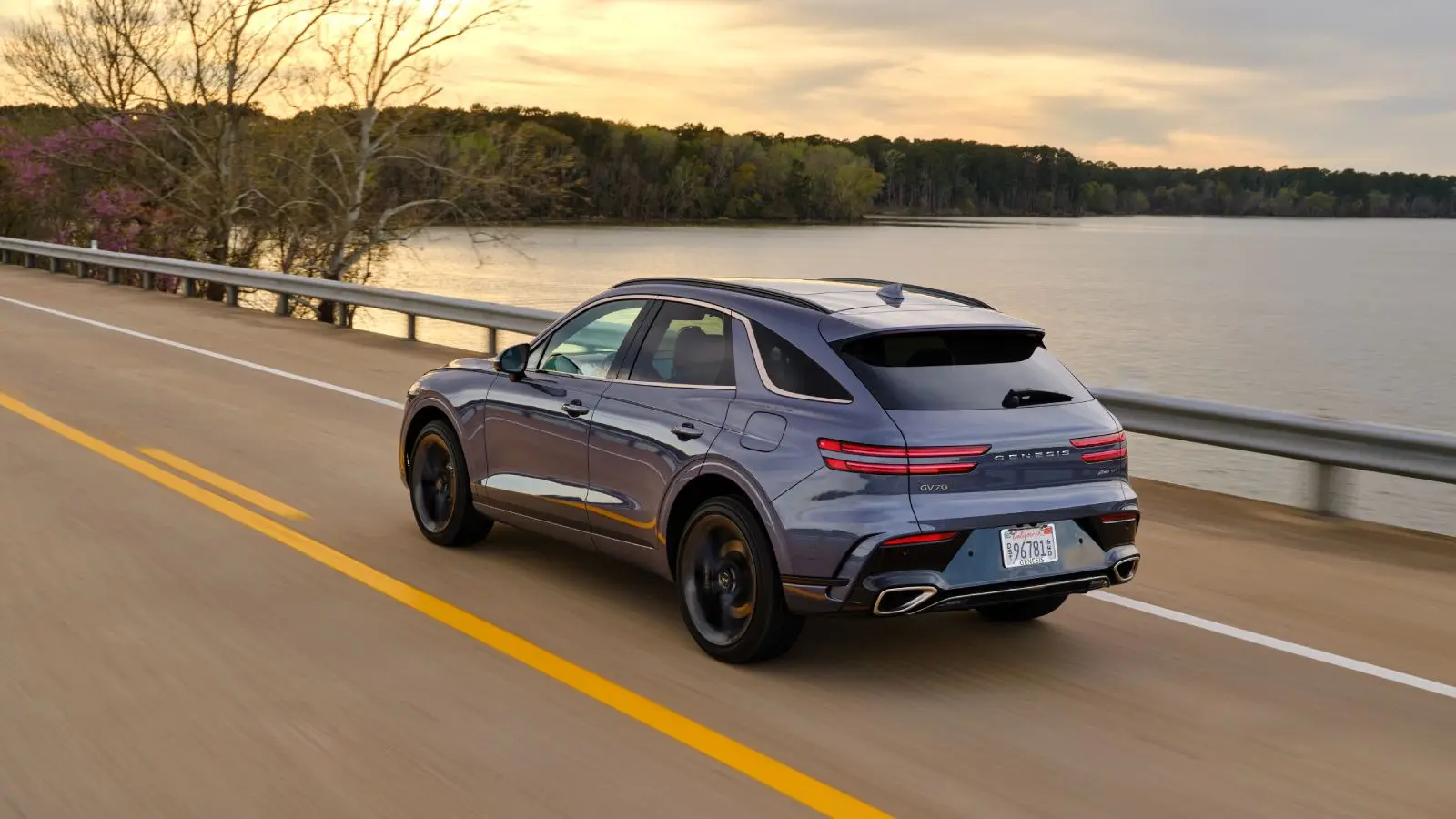
Pricing in the U.S. is quoted as starting at $48,000, with six trims, and a tested 3.5T Sport Prestige landing around $72,000 with destination. In that context, the GV70’s pitch becomes clearer: it isn’t chasing the lowest sticker, it’s chasing a broader sense of value—design you won’t confuse with anything else, a V6 that still feels like a luxury indulgence, and an ownership model that tries to remove friction.
There’s also cautious talk of hybrid possibilities—potentially a more traditional hybrid and even a range-extender concept—but nothing is confirmed or locked in (including for Australia). For now, the 2026 GV70 remains what it has been at its best: a compact luxury SUV that can feel genuinely special day to day, provided you accept the trade-offs that come with its most appealing powertrain and its more opinionated technology.
Ethan Rowden
2026, Feb 11 11:11