
Canada Explores Canadian-Chinese EV Production Plan
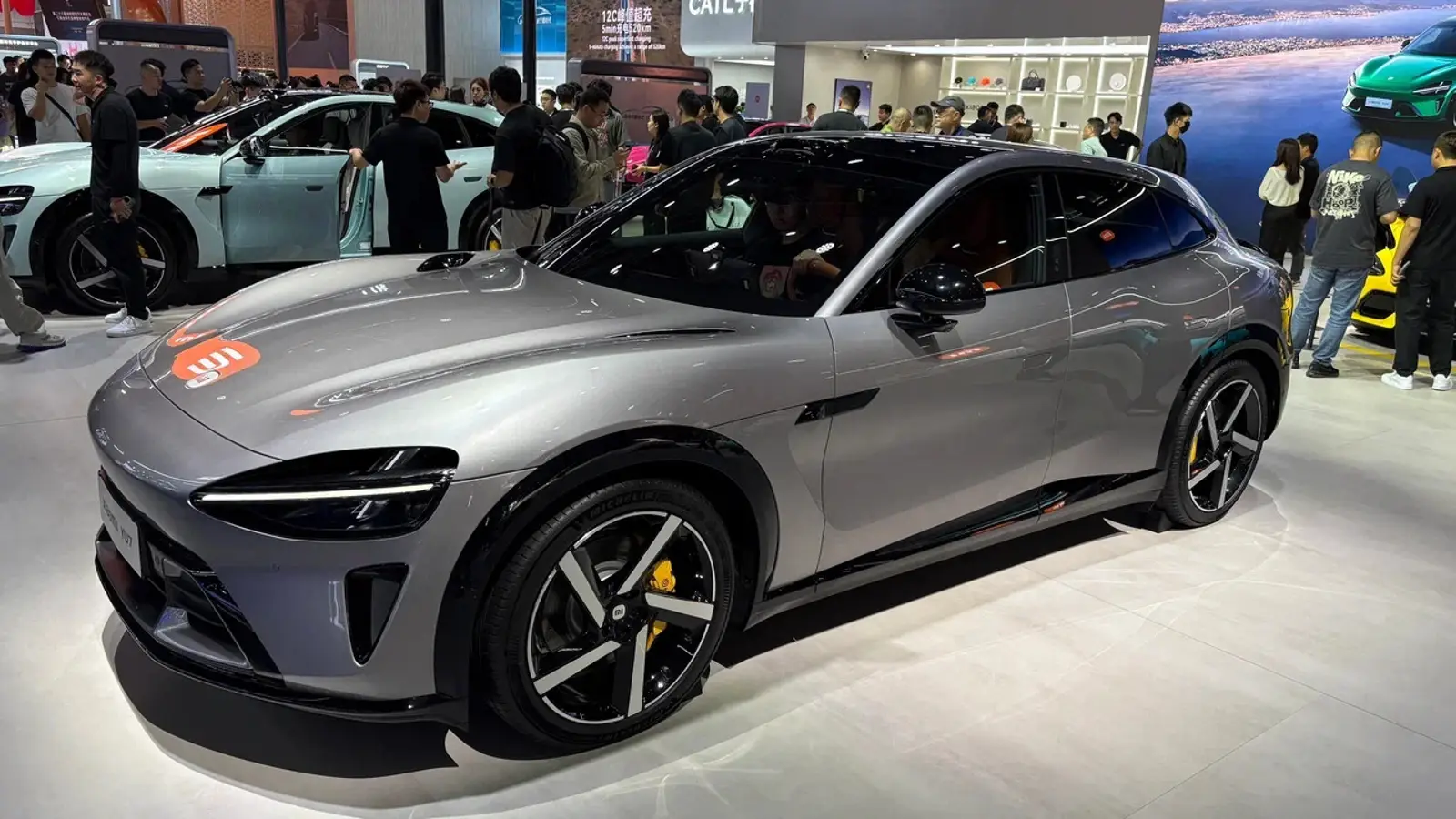
Canada considers joint EV production with Chinese automakers for global export after easing tariffs. See how the policy shift could reshape its auto industry.
Canada is considering a move that would have seemed politically unthinkable not long ago: not merely allowing Chinese electric vehicles onto its market, but producing them jointly on Canadian soil and exporting them worldwide.
The concept centers on potential partnerships between Chinese EV manufacturers and Canadian auto parts suppliers. Industry Minister Mélanie Joly said in an interview with Bloomberg that companies such as Magna International, Linamar and Martinrea could take part in a joint assembly plant in Canada. The idea is framed plainly — to create a “Canadian-Chinese car” and ship it to global markets.
The proposal marks a sharp shift from Ottawa’s recent stance. In 2024, Canada announced a 100% surtax on Chinese-made electric vehicles, effective October 1 of that year. Yet in January 2026, the government outlined an agreement-in-principle with China that would allow a quota of 49,000 Chinese EVs annually at the most-favored-nation tariff rate of 6.1%, with a review scheduled after three years. The evolution in policy has been swift.
This pivot is unfolding against the backdrop of Canada’s broader automotive realities. Official figures show the sector supports more than 500,000 jobs and contributes over CAD 16 billion to GDP annually. In 2025, more than 1.2 million vehicles were produced in the country. Over 90% of finished vehicles and roughly 60% of parts are exported to the United States, making the industry highly sensitive to U.S. trade measures.
In February 2026, the federal government unveiled a new automotive strategy focused on electrification, battery supply chains and connected and autonomous vehicle technologies. Within that framework, closer cooperation with Chinese EV makers appears tied to a wider effort to diversify partnerships and reduce reliance on a single export market.
Supporters argue that manufacturing in Canada does not automatically undermine competitiveness. Honda’s Ontario facility, with annual capacity of around 400,000 vehicles and exports to both Canada and the United States, is cited as evidence that large-scale, export-oriented production can succeed domestically.
Still, significant uncertainties remain. The United States has imposed 100% tariffs on Chinese electric vehicles, and Canada’s evolving relationship with China has drawn criticism from American officials. That dynamic raises questions about how politically and commercially viable the U.S. market would be for any future “Canadian-Chinese” EV. Domestic debate within Canada also reflects concerns over economic and technological dependencies.
What is clear is that the public discussion of such a partnership underscores how rapidly the global automotive landscape is shifting. Caught between U.S. trade pressures and the dominance of Asian manufacturers in the EV space, Canada is exploring new formulas to secure its place in the industry’s next chapter. Joint production with China, once implausible, is now being weighed at the highest political levels.
Allen Garwin
2026, Feb 11 16:20