
Mercedes-Benz VISION R 320 CDI at the Museum
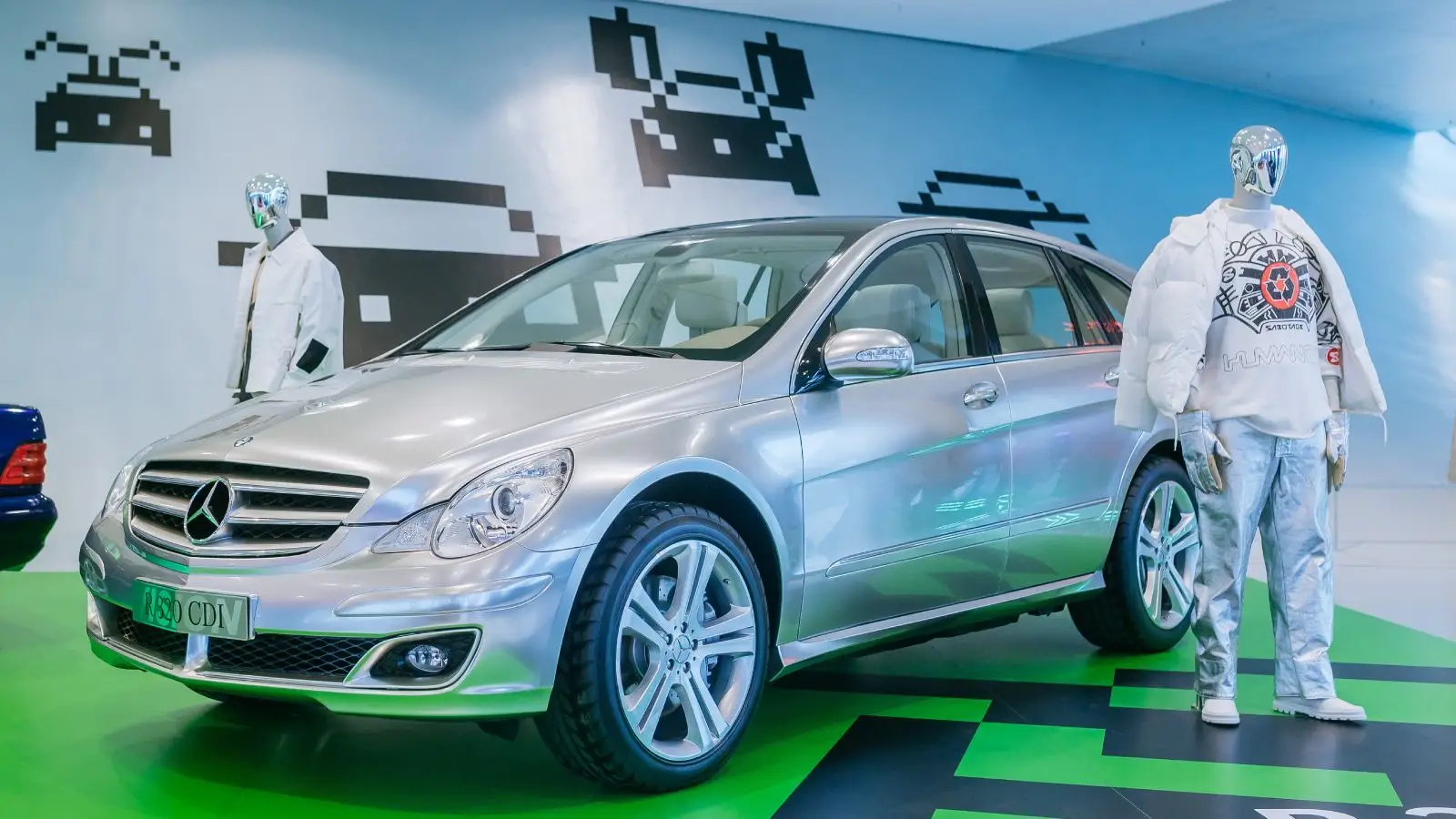
Mercedes-Benz presents the 2005 VISION R 320 CDI at its Stuttgart Museum, highlighting the Grand Sports Tourer concept and R-Class origins.
The Mercedes-Benz Museum in Stuttgart continues to highlight unexpected chapters of the brand’s history, and this time the spotlight falls on the Mercedes-Benz VISION R 320 CDI from 2005. The concept car is now part of the special “Youngtimer” exhibition, which runs until 12 April 2026 and presents ten iconic vehicles from the 1990s and 2000s in a modern, lifestyle-focused setting.
The VISION R 320 CDI stands out not only as an eye-catching museum piece, but also as a key milestone in Mercedes-Benz design thinking. It was neither a classic saloon nor an estate car, and it was far from being a traditional van. Instead, it represented a deliberate attempt to create a new category, described by Mercedes-Benz as the “Grand Sports Tourer”—a premium touring vehicle designed to combine space, comfort and dynamic presence in one silhouette.
When the VISION R 320 CDI appeared at the Geneva International Motor Show in March 2005, it looked remarkably close to production. That impression was no coincidence: the Mercedes-Benz R-Class (model series 251) entered the market in the same year, reflecting much of the concept’s layout and philosophy. In hindsight, the museum exhibit feels less like a futuristic show car and more like a preview of a bold production strategy that Mercedes-Benz was ready to bring to life.
One of the most striking features of the VISION R was its experimental ALU-BEAM paint finish. The surface was engineered to intensify reflections and enhance the sharpness of the vehicle’s design lines, creating a highly polished, liquid-metal impression. Such coatings later became known for their complex multi-layer application processes and their ability to give a car an almost sculptural presence under changing light.
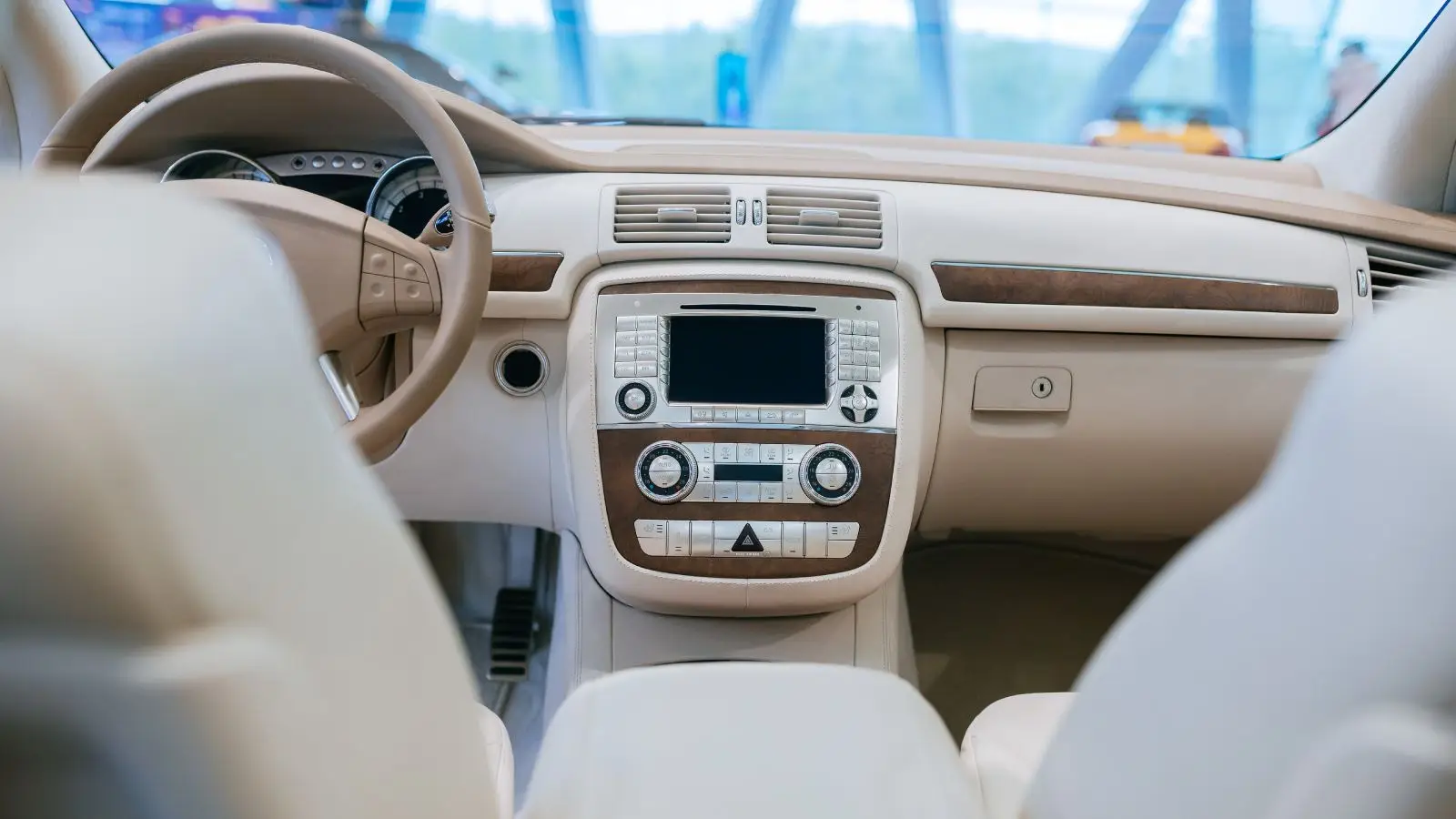
Inside, the VISION R continued the same theme of luxury touring. A panoramic glass roof flooded the cabin with light, reinforcing the open and spacious character. The interior was finished in warm tones, including mohair beige upholstery elements, contrasted by lighter components and refined trim strips that underlined the vehicle’s lounge-like atmosphere.
The touring concept was also reflected in the seating layout. Designed as a 4+2-seater, the VISION R featured two rows of individual seats and a rear two-passenger bench, accommodating up to six occupants. In typical mid-2000s fashion, rear passengers were offered entertainment through flat screens integrated into the front headrests, supported by a DVD player housed in the centre console—cutting-edge luxury technology for its time.
Practicality was built into the design as well. The rear seats could be folded individually, and the centre console in the second row could be removed, allowing the loading area to expand depending on travel needs. Mercedes-Benz clearly aimed to combine premium comfort with real everyday flexibility.
Technically, the concept was equally serious. The VISION R 320 CDI featured a V6 3.0 CDI diesel engine delivering 165 kW (224 hp) and an impressive 510 Nm of torque, paired with 4MATIC all-wheel drive. Together with air suspension, the configuration reflected the car’s central promise: effortless long-distance comfort combined with confident dynamic capability.
Seen today, the VISION R 320 CDI feels like a time capsule from an era when premium manufacturers were actively searching for new vehicle formulas—cars that could merge space, style, technology and driving refinement into a single concept. Its return to the museum spotlight is more than nostalgia; it is a reminder that some of the most ambitious ideas from the 2000s continue to resonate in modern discussions about what premium family mobility should look like.
Mark Havelin
2026, Feb 11 23:56