
How Henry Ford Failed Twice Before Ford Motor Company
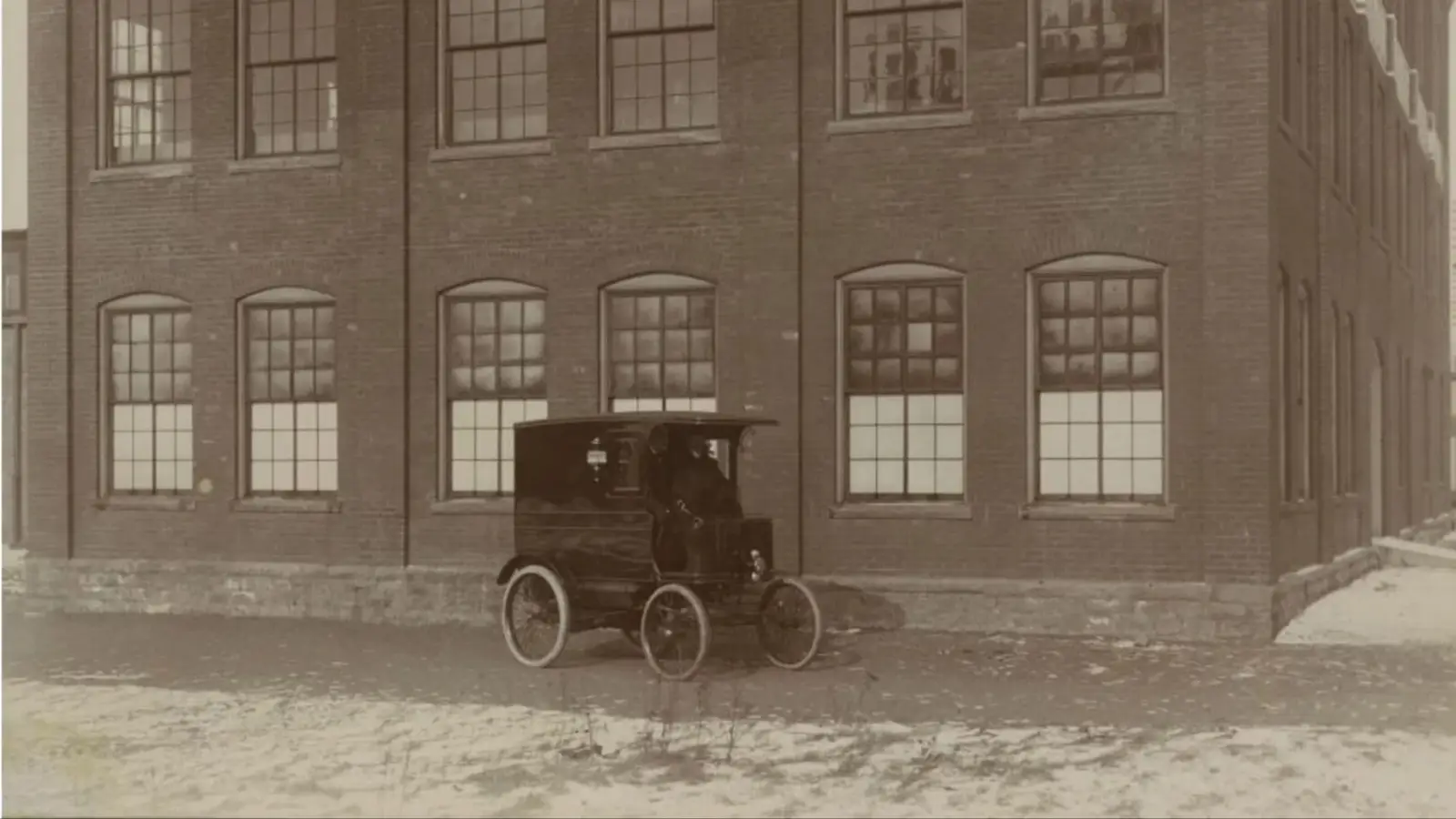
Explore how Henry Ford’s early ventures—the Detroit Automobile Company and Henry Ford Company—collapsed before the founding of Ford Motor Company in 1903.
Ford Motor Company is often seen as the inevitable result of Henry Ford’s brilliance, but the real story behind his rise is far less straightforward. Before creating the company that would reshape global industry, Ford had to start over twice—and both early attempts ended in failure.
His first serious venture was the Detroit Automobile Company. By then, Ford had already built his Quadricycle, and in 1899 he left his position at the Edison Illuminating Company to focus entirely on automobiles. He became chief engineer of the new company, hoping to secure a place in the still-fragile American auto industry. But production proved slow and exhausting: early assembly work was labor-intensive, and Ford’s push for higher-quality vehicles clashed with the priorities of other stakeholders.
The company produced its first vehicle—a delivery wagon—in January 1900, but overall output remained extremely limited. Over its short life, Detroit Automobile Company built only about 20 vehicles, and sales were poor. Investors ultimately lost tens of thousands of dollars, and in 1901 the stockholders voted to dissolve the business.
For Ford, the collapse was a harsh setback, but not the end. He believed he needed to rebuild his reputation before trying again. At the time, the public still saw the automobile as little more than an expensive toy, and Ford decided that racing would be the fastest way to prove its potential. Backed by several former investors, he built a race car called Sweepstakes and challenged one of the era’s most prominent figures, Alexander Winton.
The race took place on October 10, 1901, in Grosse Pointe, Michigan, and Ford emerged victorious. The win became a turning point: it elevated his name, secured new financial support, and is widely considered the beginning of what would later become known as Ford Racing.
Encouraged by that success, Ford launched his second venture in 1902: the Henry Ford Company. This time, his own name was part of the brand. Yet conflict returned quickly. Ford questioned the readiness of the company’s vehicles and wanted to continue building race cars, while his partners favored a more conventional commercial strategy. He soon left the business, and the company agreed to stop using his name.
In August 1902, the firm was reorganized as the Cadillac Automobile Company, with engineer Henry M. Leland playing a central role in its transformation.
Despite two failed starts, Ford refused to abandon his larger goal: creating a durable, low-cost car for everyday people. On June 16, 1903, he and a group of investors incorporated Ford Motor Company. The business began with $28,000 in capital and twelve investors, with Ford and his partner Alexander Malcomson holding a controlling share.
.jpg)
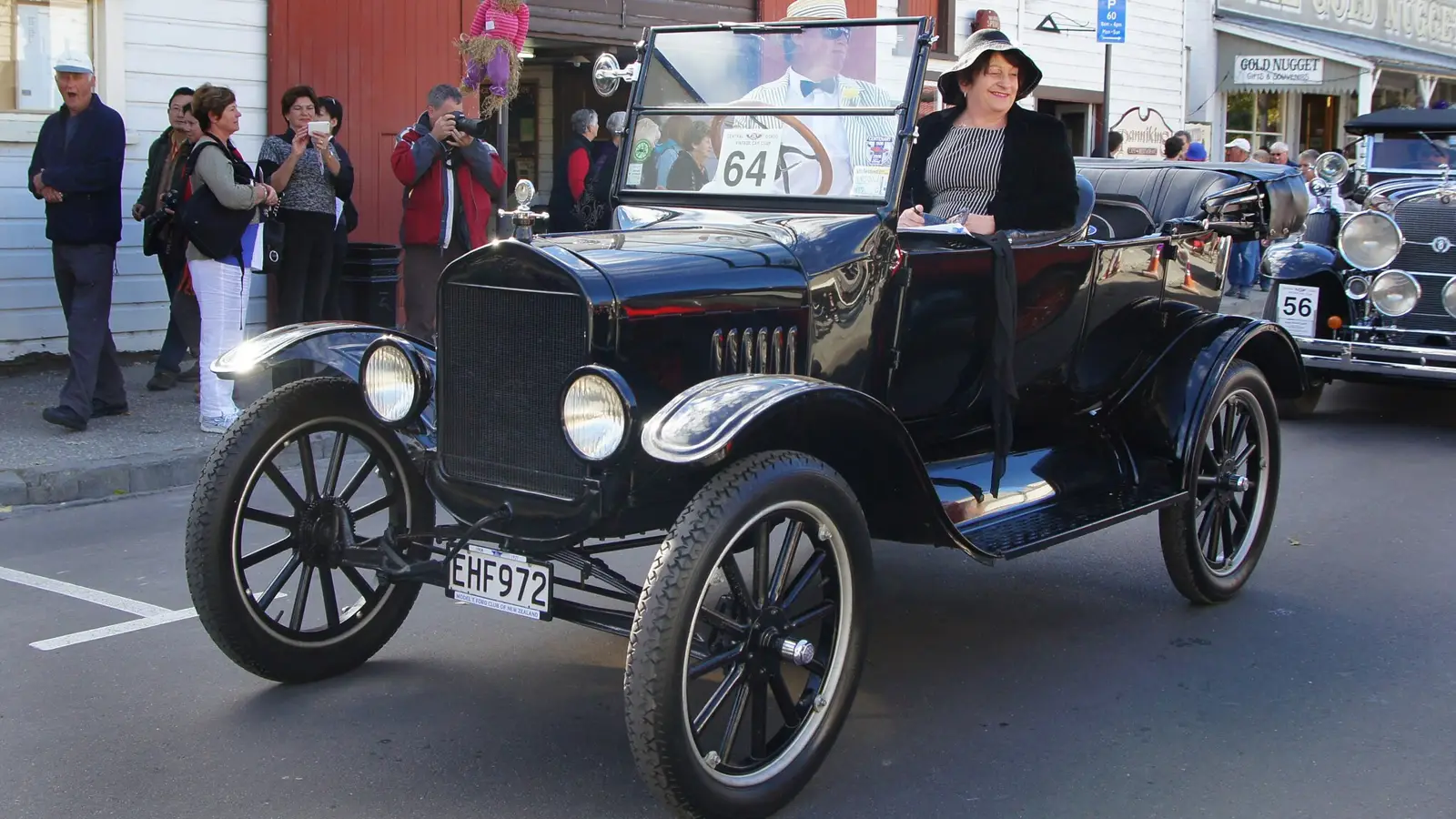
This time, the venture held together—and it soon accelerated into something far bigger. A few years later, Ford introduced the Model T, and in 1913 the company implemented the moving assembly line. The same production challenges that had helped sink Ford’s first company became his defining advantage: manufacturing speed increased dramatically, costs dropped, and the automobile began to shift from luxury object to mass-market necessity.

Today, Ford is once again pursuing the idea of affordability, now in the electric vehicle era. And if the company’s earliest history proves anything, it is that industrial empires are rarely built on a first try. Sometimes they emerge through setbacks, disagreements, and bold decisions that initially seem risky—but ultimately become the foundation of lasting success.
Mark Havelin
2026, Feb 17 20:22