
NAF Winter EV Test 2026: How Range Drops in Extreme Cold

NAF and Motor’s 2026 Norway winter EV test shows up to 46% range loss in -31°C conditions and highlights models with the smallest WLTP deviation.
Norway’s latest winter range test has once again highlighted a problem electric car makers still haven’t fully solved: extreme cold remains one of the toughest real-world obstacles for EV driving range.
The 2026 winter edition of the El Prix test, conducted by NAF and Motor, pushed a wide selection of electric vehicles through truly harsh conditions, with temperatures dropping as low as -31 to -32°C. The route combined highways and mountainous roads, and the cars were driven until continuing became impossible or unsafe, offering a direct look at how far they can actually go in deep winter.
The results were unforgiving. Not a single EV managed to reach its official WLTP-certified range, and many models lost more than 40% of their promised distance. It’s a reminder that even advanced thermal management systems can only reduce winter losses, not eliminate them.
The Lucid Air covered the longest distance overall, reaching 323 miles. But compared to its WLTP figure of 597 miles, that still represented a dramatic 46% drop. Other well-known models showed similar patterns. The Mercedes-Benz CLA fell from 441 miles to 262 miles (-41%), while the Audi A6 e-tron dropped from 406 miles to 250 miles (-38%). The BMW iX managed 241 miles instead of 398 (-39%), and the Tesla Model Y reached 223 miles versus 391 (-43%). Even the new Hyundai Ioniq 9 was limited to 230 miles compared to its 373-mile WLTP rating (-38%).
But the most interesting takeaway wasn’t which EV went the farthest. Instead, the real story was which models stayed closest to their official range ratings. And that’s where the leaderboard took an unexpected turn.
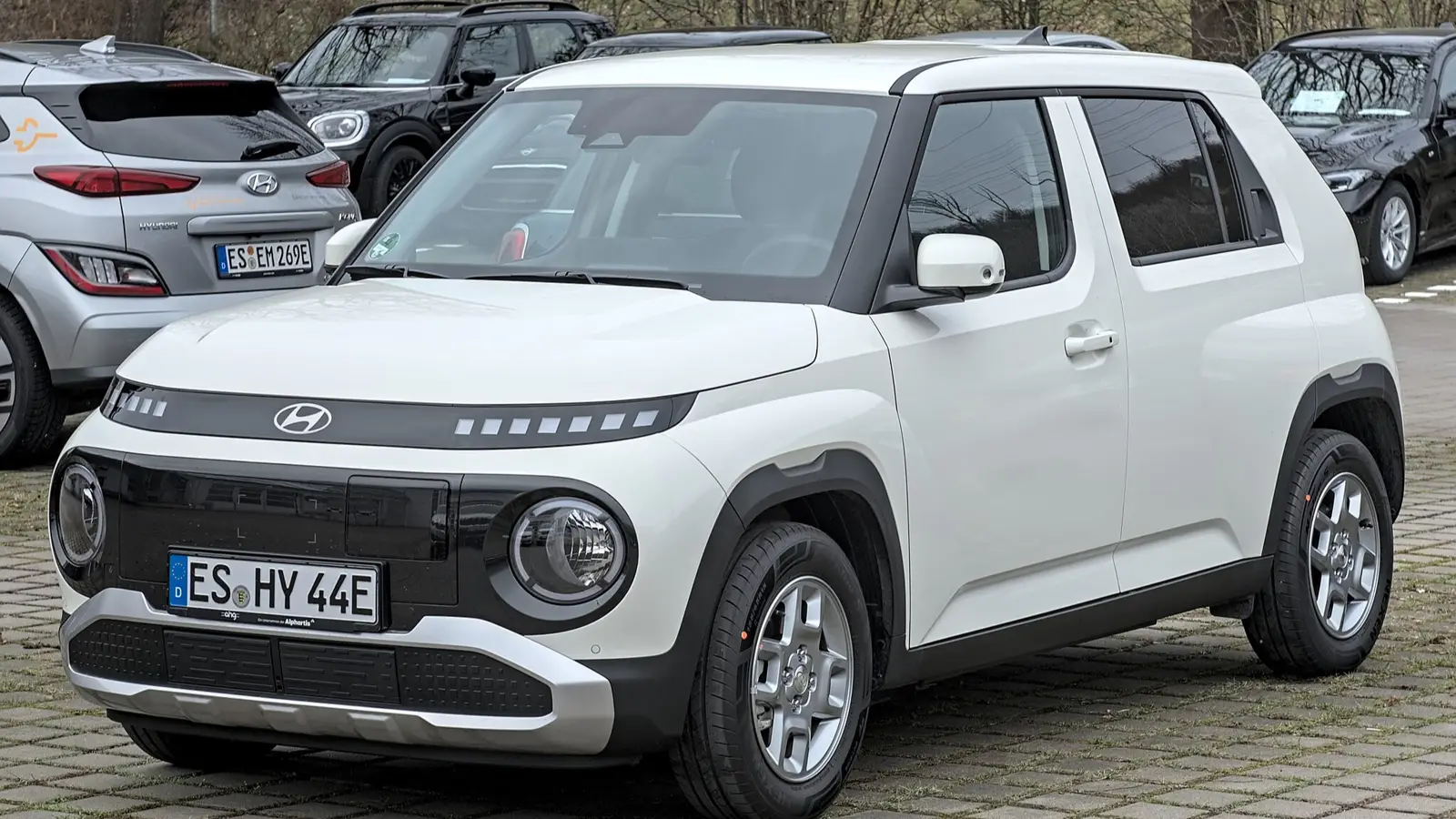
The smallest percentage losses were recorded by the MG6S EV and the Hyundai Inster, each deviating by just 29%. They were followed by the MG IM6 (-30%), the KGM Musso (-31%), and the Voyah Courage (-32%). None of these cars topped the test in absolute mileage, but they stood out for something that matters more in winter: consistency.
It’s notable that many of these steadier performers are smaller and efficiency-focused models, where lower weight and moderate power demands can translate into less severe winter penalties.
For American buyers, the conclusion comes with an ironic twist: none of the best winter performers by percentage deviation are officially sold in the United States. The Hyundai Inster, for example, is aimed at European markets and is offered with 42 kWh and 49 kWh battery options, while models from brands such as MG and Voyah remain limited to specific global regions.
Ultimately, the El Prix winter test reinforces a simple point: in cold climates, the headline range number matters less than how reliably an EV can hold onto it when temperatures plunge. And if these results are any indication, manufacturers may increasingly need to shift their focus from record-breaking WLTP figures toward real-world efficiency and energy management for winter driving.
Allen Garwin
2026, Feb 18 10:06