
How Toyota Moved From “Boring” to a Performance Brand
_Washington_DC_Metro_Area,_USA.jpg)
An in-depth look at how Akio Toyoda’s “no more boring cars” pledge led to models like the LFA, GR Supra and GR Corolla, reshaping Toyota’s performance image.
When Akio Toyoda publicly declared that Toyota would build “no more boring cars,” it sounded like a challenge aimed both at critics and at the company itself. Over time, that phrase evolved from a bold remark into a guiding principle shaping the brand’s modern performance strategy.
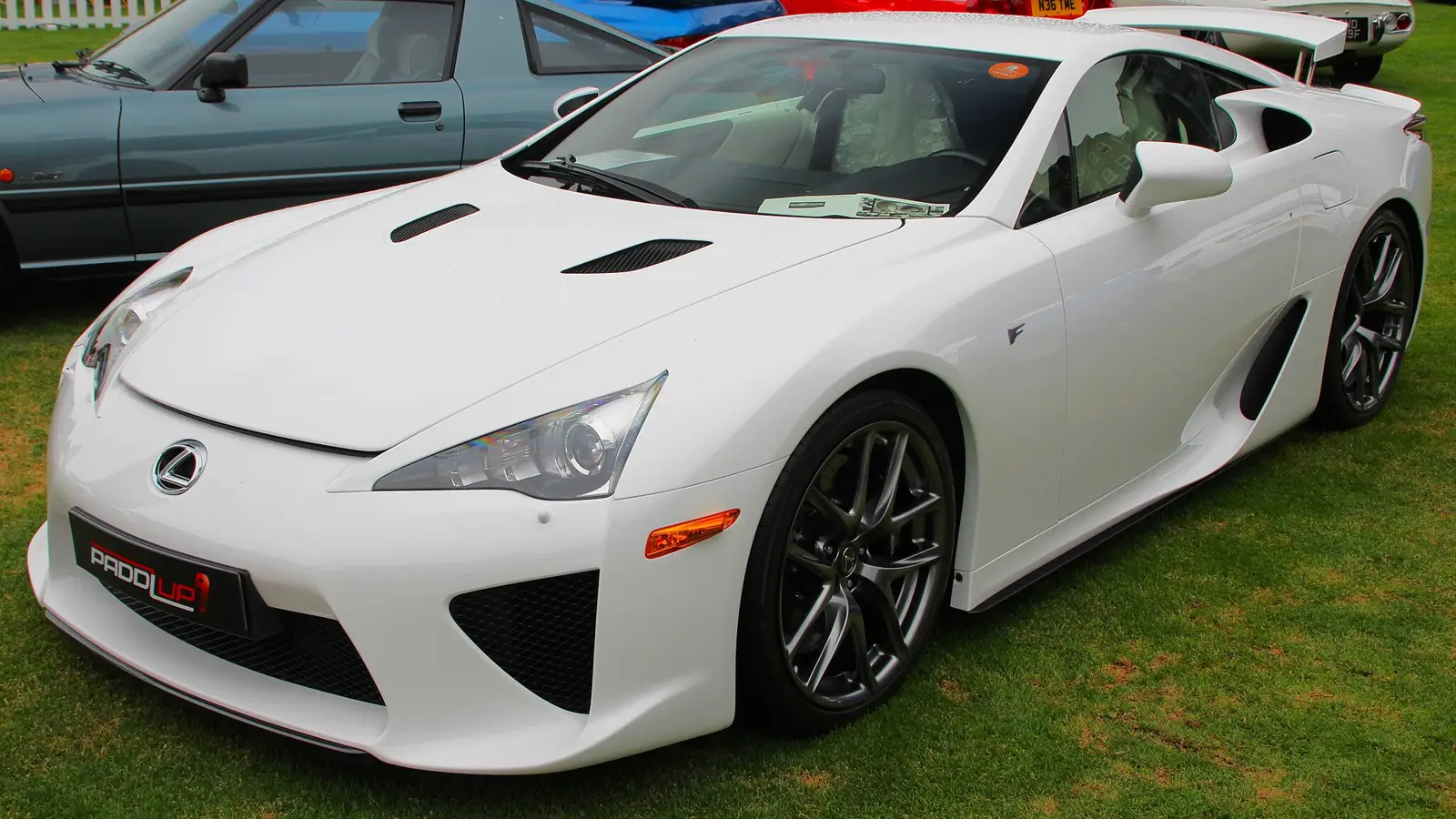
The Lexus LFA became the clearest symbol of that turning point. Often described as an ambitious engineering statement, it featured a naturally aspirated 4.8-liter V10, the 1LR-GUE developed with Yamaha, producing 560 PS (553 hp) and 480 Nm of torque. Acceleration to 60 mph took around 3.6 seconds, with a top speed of 325 km/h. Extensive use of carbon fiber-reinforced materials underlined the seriousness of the project. Pre-orders opened in October 2009, and production began in December 2010, marking Toyota’s firm entry into the realm of true supercars.

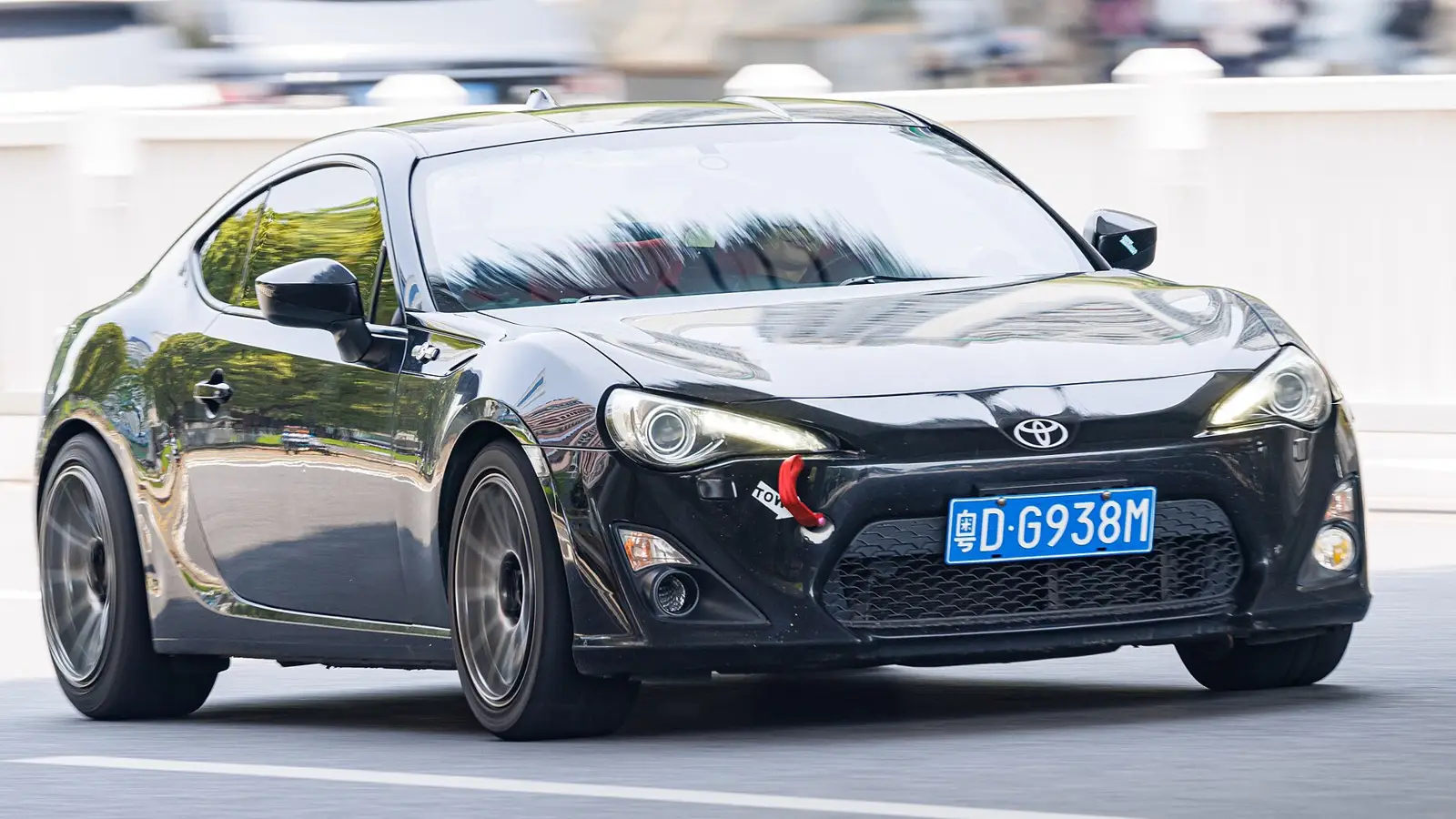
If the LFA served as a flagship manifesto, the GT86 translated that performance philosophy into an attainable format. Co-developed with Subaru and built in Gunma, the compact rear-wheel-drive coupe revived Toyota’s classic front-engine, rear-drive layout. With a 53:47 weight distribution and a low center of gravity, the car emphasized balance and driver engagement. Its conceptual roots traced back to the legendary AE86, while in Europe it was known as the GT86 before evolving into the GR86 under the Gazoo Racing banner.
_China.jpg)
Gazoo Racing itself became central to this transformation. The designation GRMN stands for “Gazoo Racing tuned by the Meister of Nürburgring,” directly reflecting the brand’s motorsport ambitions and Nürburgring development focus. Performance variants were no longer occasional experiments but part of a structured, expanding lineup.
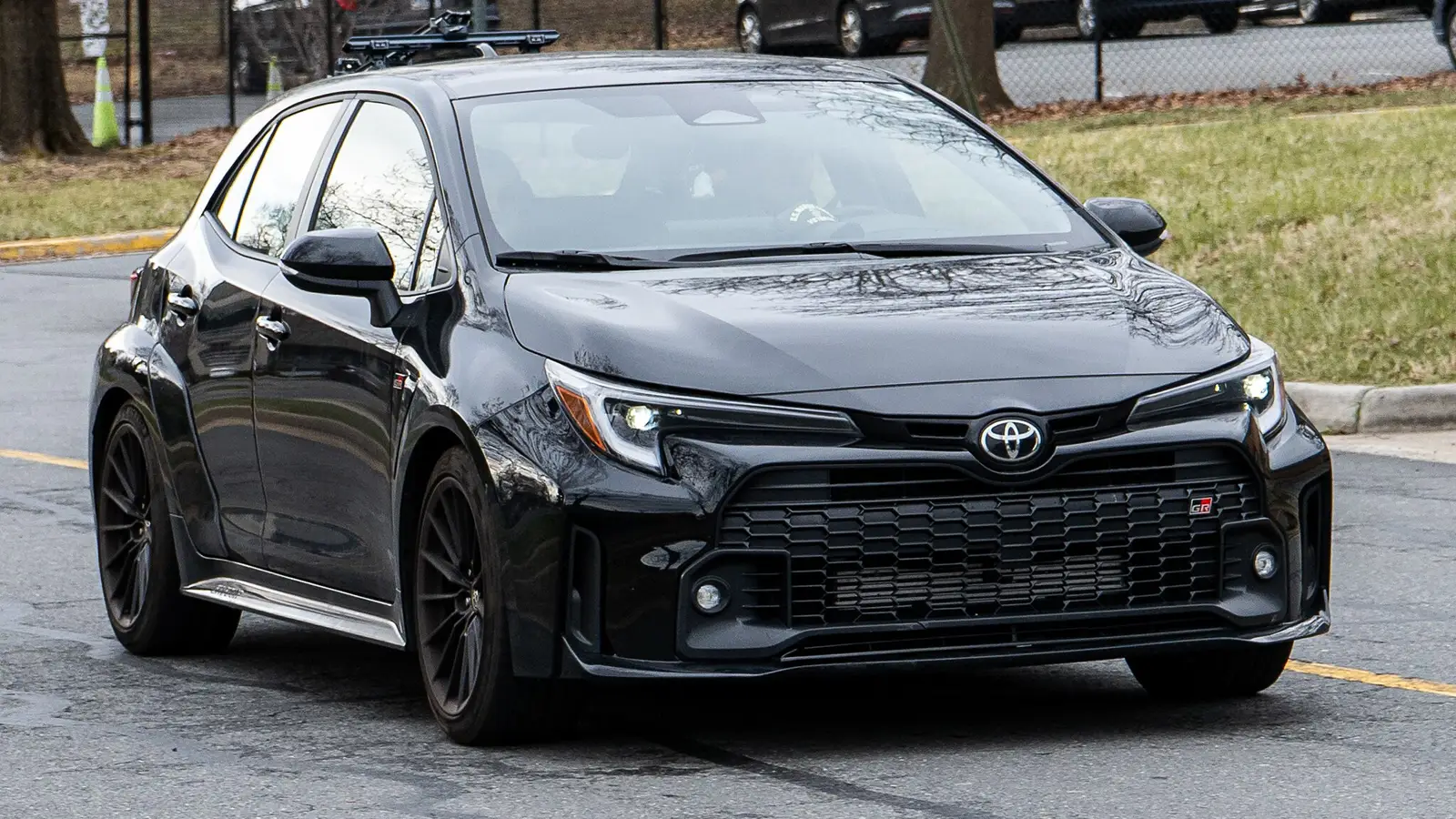
The GR Corolla continued that trajectory. Unveiled on March 31, 2022, it adopted the 1.6-liter turbocharged three-cylinder G16E-GTS engine also seen in the GR Yaris. German technical listings cite outputs of 300 PS combined with an all-wheel-drive system, giving the Corolla a level of performance previously absent from the model’s history. For the first time, it stood as a fully realized hot hatch within Toyota’s portfolio.
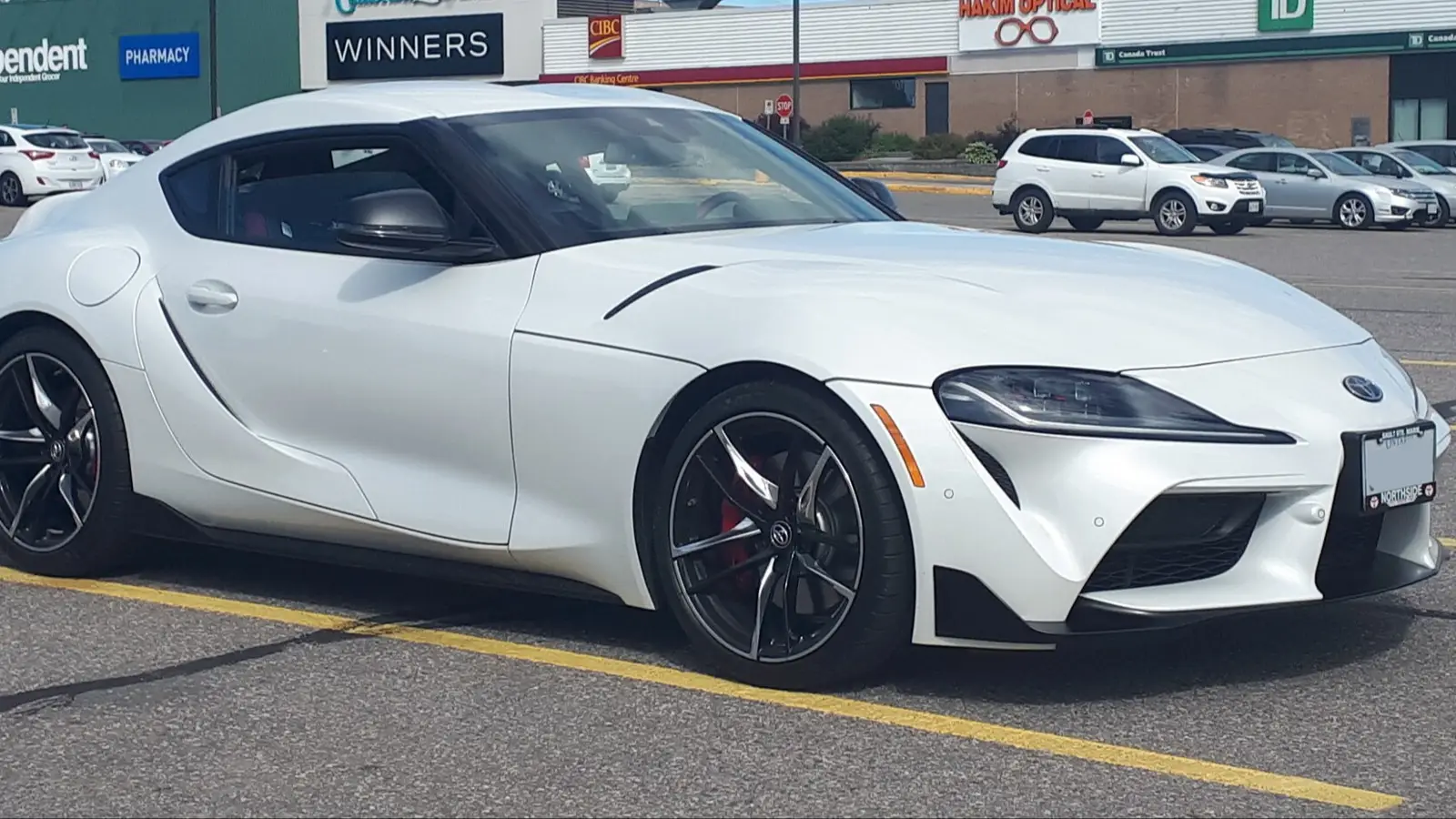

The GR Supra, developed in collaboration with BMW, further reinforced the shift. German automotive media report on a Final Edition marking the end of the model’s production cycle, highlighting increased power and specific refinements in its farewell configuration. Even as it approaches the conclusion of its run, the Supra remains a visible emblem of Toyota’s performance intent.
Although Akio Toyoda is no longer CEO, his “no more boring cars” mandate continues to resonate across the company’s halls. The steady expansion of the GR lineup suggests that the philosophy has become embedded in Toyota’s broader identity. The brand has not abandoned its mainstream models — it has simply infused them with a sharper edge that, not long ago, few would have associated with the world’s largest automaker.
Allen Garwin
2026, Feb 18 15:49