
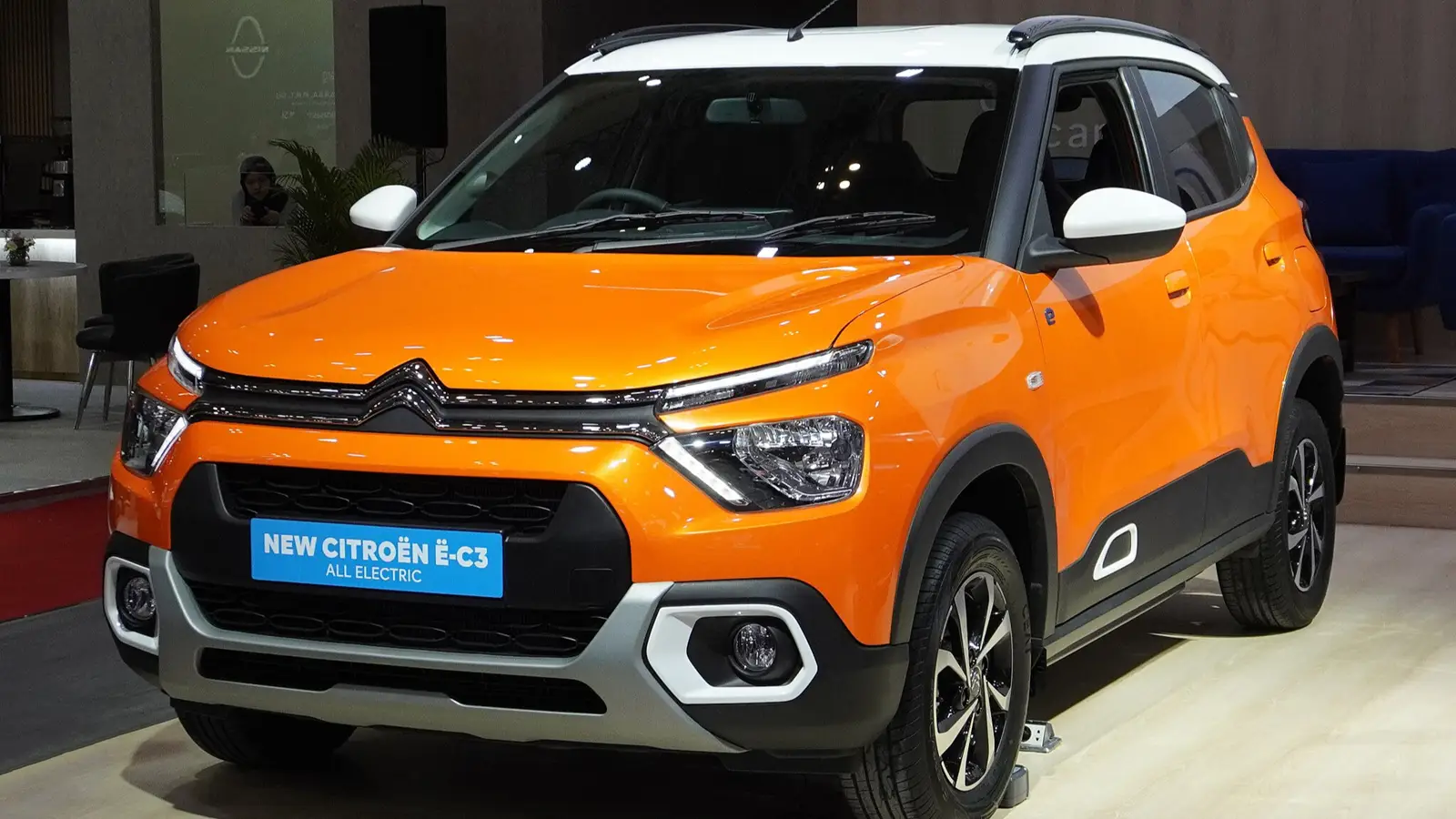
Citroën ë-C3 Named Spain’s Most Affordable Electric Car
_front_view.jpg)
Citroën has reduced the ë-C3 price to €11,550 in Spain by advancing Auto+ subsidies and CAE incentives. Learn how the offer works and what it includes.
Citroën has made a bold move in Spain’s electric car market by cutting the price of its most affordable EV, the ë-C3, even before the government’s new Auto+ subsidy plan receives final approval. As a result, the entry-level You 200 version is now offered at €11,550 to €11,700, making it the cheapest electric car currently available in Spain.
The key detail is how Citroën reached that figure. The company is effectively taking the risk of future government support onto itself by applying the expected incentives upfront. It has pre-deducted €4,500 in anticipated Auto+ subsidies and added another €900 through the CAE (Certificados de Ahorro Energético) mechanism. On Citroën’s website, the ë-C3 is listed with an original price of €21,200, meaning close to €10,000 is removed through a combination of brand discounts and the advance application of upcoming aid.
The offer is only valid for customers who finance the purchase, and it is time-limited: financing must be arranged by February 28, 2026. The advertised price does not include additional costs such as delivery preparation or registration fees.
This strategy directly addresses one of the biggest obstacles for EV buyers in Spain: uncertainty. Many potential customers have delayed purchases while waiting to see when Auto+ will officially begin and what the final support levels will look like. By turning expected subsidies into an immediate discount, Citroën removes that hesitation and places a clear, concrete number on the price tag.
Rivals have adopted similar tactics. The BYD Dolphin Surf, for example, is offered from €12,955, with part of the discount reflecting the fact that the manufacturer must compensate for reduced subsidy levels linked to the model’s origin.
The ë-C3 itself is sold with two battery options. The smaller version features a 30 kWh pack delivering 204 km WLTP, while the larger version uses a 44 kWh battery rated at 315 km WLTP. Both variants come with an electric motor producing 83 kW.
Production details also play a crucial role in this story. The ë-C3 is assembled in Slovakia, and its battery modules are built on site, helping the model qualify for full Auto+ assistance. As competition intensifies in Europe’s budget EV segment, factors such as assembly location and subsidy eligibility may prove just as important as range or performance.
If Auto+ is implemented smoothly and without delays, Spain’s EV market could see a meaningful boost in the coming months. But even before the plan is fully in place, one thing is already clear: manufacturers are no longer willing to wait for official approval. Citroën’s pricing move in Spain is a striking example of that shift.
Allen Garwin
2026, Feb 19 19:32