
Land Rover Files Patent for Airborne Suspension Control
_DSC_9062.jpg)
Land Rover has filed patents for a system that detects when a vehicle becomes airborne and adjusts suspension settings for landing. Explore the details.
Land Rover has patented a system designed to help off-road vehicles cope with jumps and hard landings. At the heart of the development is technology capable of detecting when a vehicle becomes fully airborne and preparing the suspension for impact before the wheels touch down again.
According to the patent documents, the concept consists of two interconnected elements. The first is responsible for identifying an “airborne event”. The electronics analyze suspension travel, the rate at which that travel changes, and the vehicle’s pitch and roll angles. If two or more wheels reach maximum travel while body attitude parameters exceed predefined thresholds, the system registers that the vehicle has left the ground.
The second part focuses on adaptive damper control. Once a jump is detected, the suspension switches to a dedicated mode with maximum compression damping and a predefined rebound setting intended to reduce impact loads on landing. If the front axle lifts off first, the system pre-sets the rear dampers in advance, preparing the vehicle for touchdown.
Comparable approaches already exist in the segment. The Ford F-150 Raptor, for example, uses electronically controlled FOX dampers with the Live Valve system, described by the manufacturer as position-sensitive damping capable of dynamically adjusting in real time according to terrain conditions and driver inputs. Off-road “flight” logic also appears in Land Rover’s motorsport activities: the Dakar-spec Defender D7X-R features a Flight Mode that modifies torque delivery while the vehicle is airborne to help stabilize landings and reduce drivetrain stress.
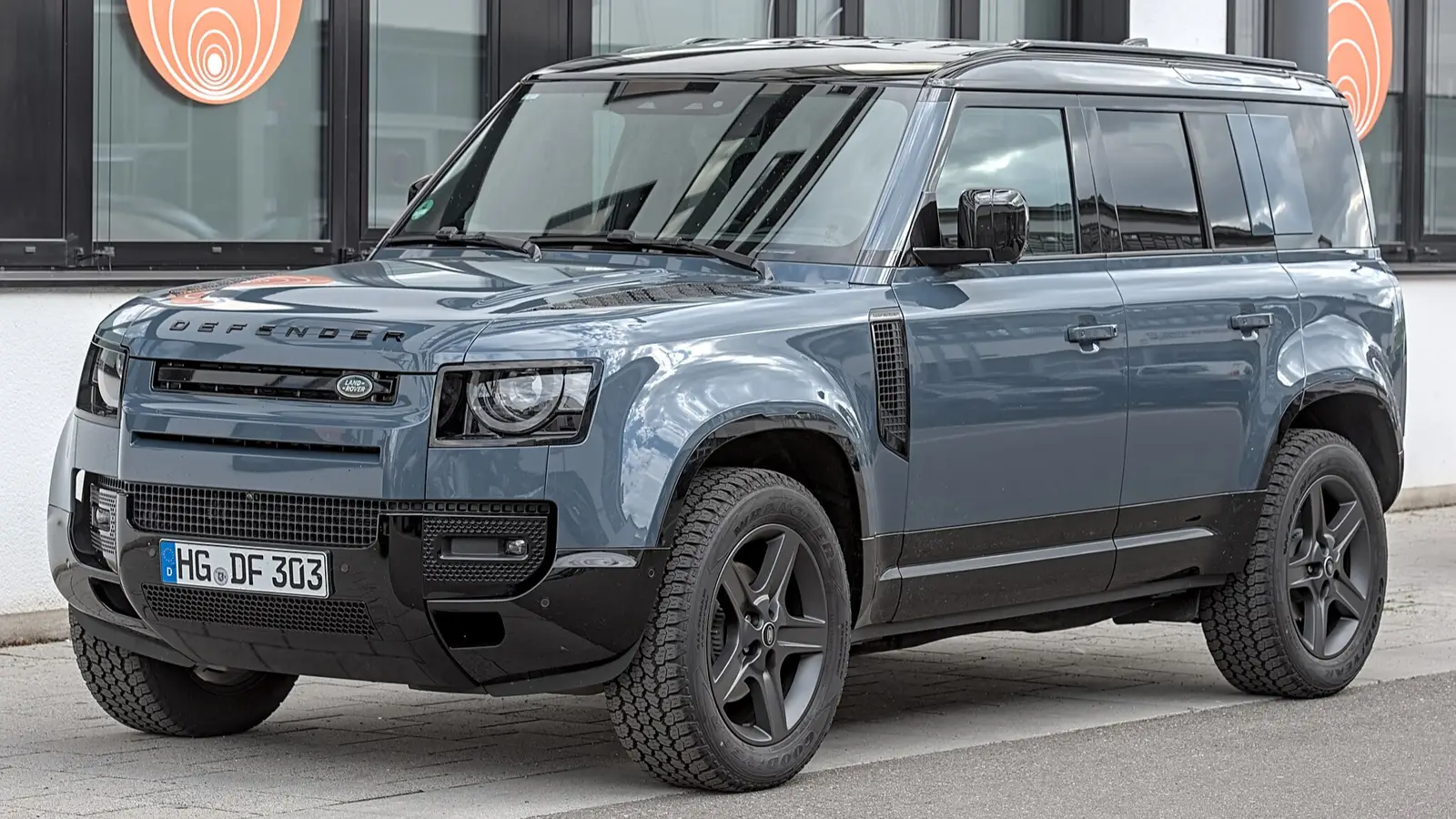
No production timeline for Land Rover’s newly patented system has been announced. The documents reference potential application in off-road models, including vehicles in the Defender class. Should the technology reach series production, it would represent a further step in the evolution of electronically managed suspension systems that already adapt continuously to terrain and driving dynamics.
Whether dedicated airborne detection and a specific landing algorithm will become a standard feature in high-performance off-roaders remains to be seen. Given the competitive landscape and the brand’s own rally experience, the direction appears consistent with current trends — but only a production debut would confirm how far the concept ultimately goes.
Allen Garwin
2026, Feb 22 18:32