
Fraunhofer Analysis Finds PHEVs Consume More Fuel Than Official WLTP Figures Suggest
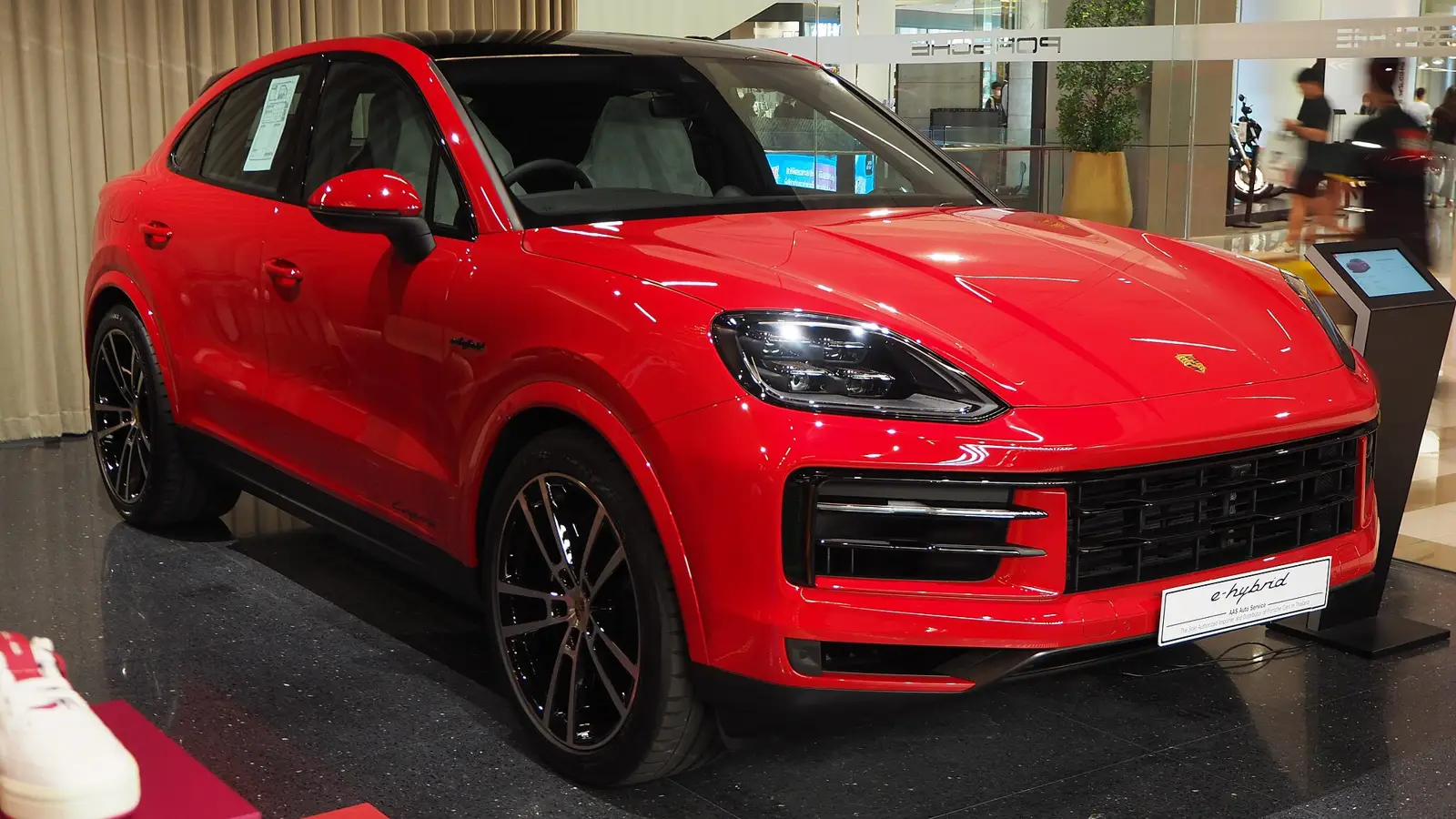

A Fraunhofer ISI study of one million PHEVs finds real-world fuel use up to three times higher than WLTP ratings, raising questions for regulators and drivers.
Plug-in hybrids have long been presented as a bridge between combustion engines and a fully electric future. Enough battery range for daily commuting, a petrol engine for longer trips — the promise sounded like the best of both worlds. New data from Germany, however, challenges that assumption.
The Fraunhofer Institute for Systems and Innovation Research (Fraunhofer ISI) analysed real-world driving data from roughly one million plug-in hybrid vehicles produced between 2021 and 2023. It is one of the most comprehensive evaluations of PHEV performance to date. The conclusion is clear: in everyday use, these vehicles consume significantly more fuel than official laboratory figures suggest.
While many models advertise consumption of 2.0 to 2.5 litres per 100 kilometres under the WLTP cycle, the real-world average identified in the analysis stands at around 6.0–6.2 l/100 km. Data referenced by ifeu indicate an average of 5.9 l/100 km, with only 25–30% of total mileage driven electrically. In terms of CO₂, this translates into emissions that are roughly three to five times higher than official values.
The discrepancy is rooted partly in testing methodology. Under WLTP rules for plug-in hybrids, results are calculated by weighting charge-depleting and charge-sustaining phases. In theory, this reflects typical usage patterns. In practice, real-world data show that the assumed electric driving share is often overly optimistic, which lowers the final “combined” fuel consumption figure.
Researchers also point to operational factors. The internal combustion engine tends to engage more frequently than laboratory scenarios anticipate, and in certain situations operates at higher revs to recharge the battery. Both effects contribute directly to higher fuel use.
Brand differences are evident. Media coverage of the findings notes that Porsche models were among those recording higher real-world averages — close to 7 l/100 km. The company emphasised that its vehicles comply fully with European testing standards and attributed variations to differing usage patterns. Smaller, efficiency-focused models generally perform better, particularly when charged regularly.
The findings align with broader regulatory developments. The European Commission has begun publishing reports based on on-board fuel consumption monitoring data (OBFCM), while Transport & Environment has highlighted a widening gap between official and real-world figures for recent model years. For vehicles registered in 2023, the divergence may approach a fivefold difference.
Market signals are shifting as well. According to ACEA, plug-in hybrid registrations in the EU declined by 6.8% in 2024 compared with 2023. In Germany, the termination of the Umweltbonus subsidy in December 2023 added further pressure on demand.
The central takeaway is straightforward: the environmental performance of a plug-in hybrid depends heavily on how consistently it is charged. Without regular plug-in use, a PHEV risks functioning largely as a heavier petrol vehicle with an added battery. As climate rules tighten, real-world road data may increasingly shape how these vehicles are assessed.
Allen Garwin
2026, Feb 23 08:44