
Audi Strategy Focuses on People, EVs and Skills
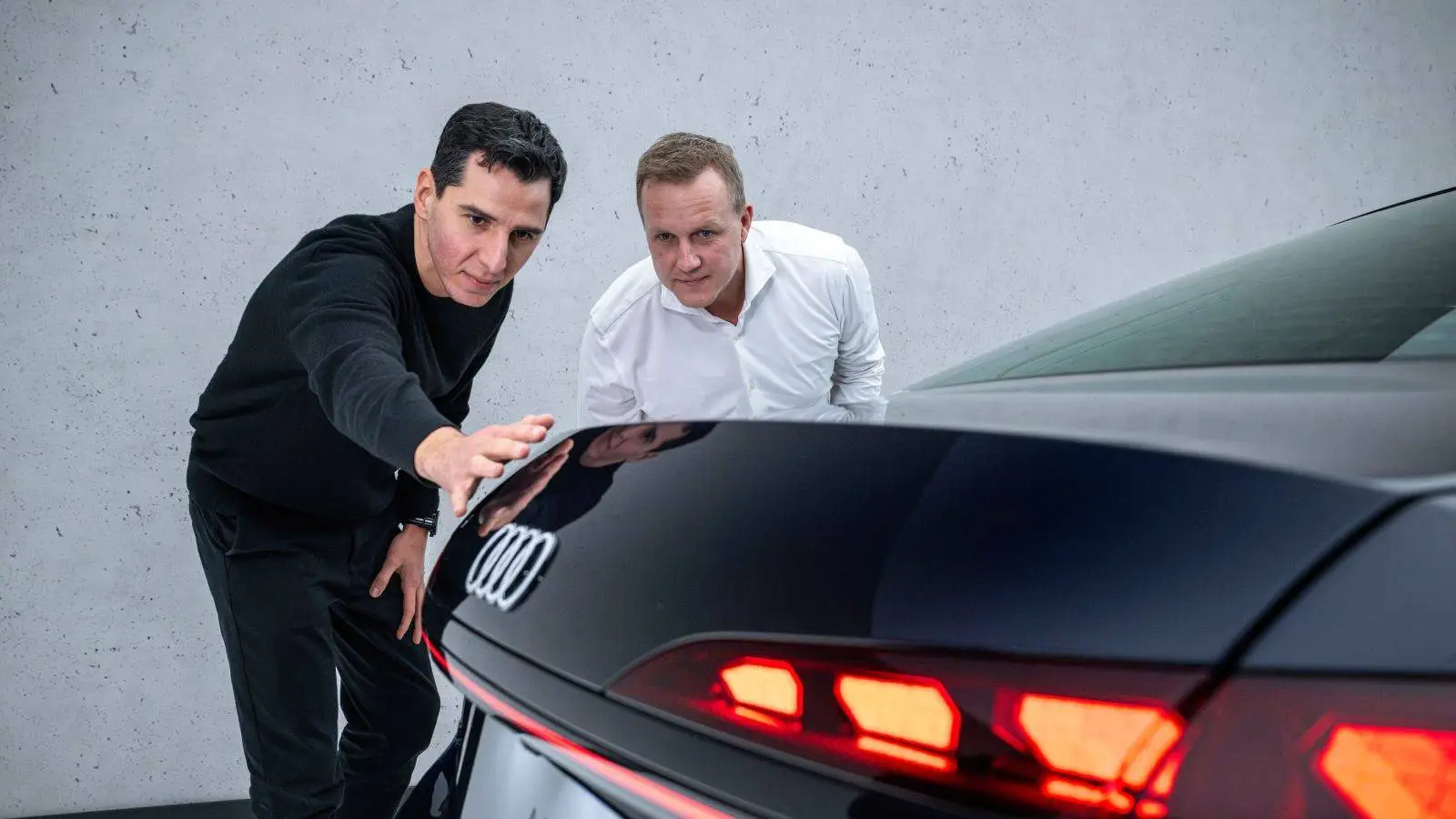
Audi outlines how hybrid work, diversity, training investment and carbon-neutral production support its shift to electric mobility. Learn more.
Audi is placing people at the center of its transformation strategy, backing that message with concrete measures in employment policy, training, and production modernization. The company employs more than 87,000 people worldwide, around 54,000 of them in Germany, and it is this workforce that stands at the core of the shift toward electric mobility and digital technologies.
Diversity and inclusion form one of the pillars of this approach. Internal networks such as dads@Audi, internationals@Audi, an active queer community, and the Audi Philharmonic Wind Orchestra reflect a broad cultural landscape within the company. Audi embeds D&I principles into recruiting and personnel development processes. At Group level, the proportion of women in management reached 19.2% in 2023, with a target of 20.2% by 2025. Audi has also defined targets to increase female representation in leadership, including a goal of 25% women on the Board of Management by 2025.
Flexibility at work is another key element. Since October 1, 2022, a Hybrid Working agreement has been in place at the Ingolstadt and Neckarsulm sites. Rather than imposing fixed office quotas, the model allows employees and managers to define arrangements according to their roles. The company has redesigned office spaces, introduced voluntary desk sharing, and provides financial support for ergonomic home office setups. For production employees whose roles do not allow remote work, flexible shift models are available. Social policies complement this flexibility, including parental leave of up to seven years with a guaranteed return to employment.
Training and qualification underpin the transformation. Audi has invested around €300 million in employee development over the past two years. In 2023 alone, 57,445 participations were recorded in transformation-related training programs. In 2024, total training hours exceeded 936,000, with nearly 46,000 hours focused specifically on energy systems and e-mobility. Since 2021, around 1,400 employees have been trained, retrained, or further qualified for work on the Audi Q6 e-tron and Audi A6 e-tron families.
The technological shift is closely linked to new production structures. The Premium Platform Electric (PPE), developed jointly with Porsche, underpins the next generation of fully electric Audi models. For PPE, electric motors, power electronics, and high-voltage batteries were newly developed or fundamentally revised, alongside the introduction of the E³ 1.2 electronic architecture. In Ingolstadt, a new battery assembly facility for PPE models operates with an automation rate of nearly 90 percent. On 30,000 square meters, 300 employees working in three shifts can assemble up to 1,050 high-voltage batteries per day.
Neckarsulm is evolving into a competence center for high-voltage battery development. Expanded testing and engineering capacities, combined with close cooperation with the battery testing center in Gaimersheim, are designed to strengthen in-house expertise from research through to series production.
Environmental transformation runs in parallel. As of January 1, 2024, the Ingolstadt plant operates with net carbon-neutral production. The site has used green electricity since 2012, and from 2024 its natural gas demand for heat supply has been balanced using methane from biogas sources. Ingolstadt became the third Audi site to achieve this status after Brussels and Győr. Under the Mission:Zero initiative, Audi aims for net carbon-neutral production at all its sites by 2025.
Taken together, these measures reflect a broader strategic direction: the transition to an all-electric portfolio and continuous digital development requires systematic investment in people. Audi’s approach moves away from cyclical thinking toward continuous evolution, positioning its workforce as a decisive factor in long-term transformation.
Mark Havelin
2026, Feb 28 03:12