
Polestar Energy adds grid rewards and car-controlled smart charging in Europe
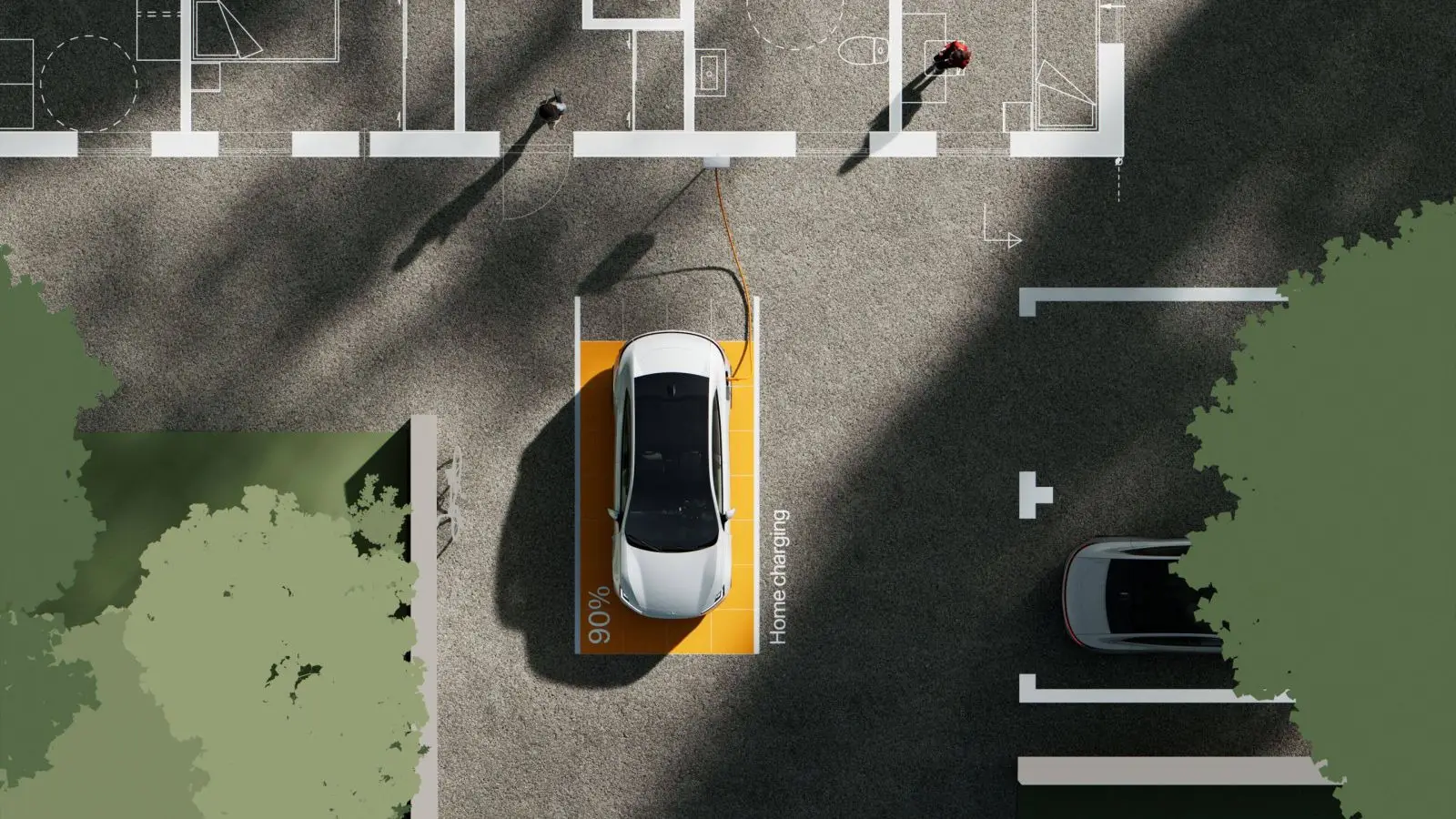
Polestar expands Polestar Energy with grid rewards and car-controlled smart charging in Europe, aiming to cut EV ownership costs. Read the full details.
Polestar is expanding its European Polestar Energy programme with a clear focus on reducing the real-world cost of electric vehicle ownership while strengthening the link between EV charging and the power grid. The company has introduced grid rewards in Germany and France in partnership with Octopus Energy and rolled out a new form of car-controlled smart charging.
The stated objective is to lower total cost of ownership. According to Polestar, savings can reach up to €300 per year, combining optimised charging times with financial incentives from grid rewards. These incentives are designed to reward drivers who allow their vehicles to charge in a grid-supportive manner.
Grid rewards are based on so-called grid-friendly charging. The vehicle shifts charging to periods when electricity demand is lower or when a higher share of renewable energy is available in the system. This helps smooth peak loads and contributes to local grid stability, while drivers receive financial benefits in return. In Germany, the highest savings potential is linked to the Intelligent Octopus energy tariff.
At the same time, Polestar is changing how smart charging is delivered. Instead of relying solely on a compatible home wallbox, Polestar 2 and Polestar 4 can now manage charging directly through the vehicle connection. Once integrated into the Polestar Energy system, the car selects optimal charging windows based on price signals, grid conditions and household demand. This removes one of the main barriers to smart charging adoption — the need for a specific type of home charger.
Polestar Energy with smart charging, solar integration and grid rewards is currently available in Belgium, France, Germany, the Netherlands, Switzerland and the United Kingdom. In Austria, Denmark, Norway, Sweden, Italy and Spain, the service includes smart charging and solar integration but not grid rewards.
The company notes that actual savings depend on market conditions and tariff structures. Still, the broader direction is clear: the electric vehicle is increasingly positioned not only as a means of transport, but also as an active participant in the energy ecosystem. In a context of persistent electricity price volatility and growing pressure on grids, such solutions aim to align driver incentives with system stability — delivering tangible financial benefits along the way.
Mark Havelin
2026, Mar 01 17:55