
Mercedes-Benz introduces electric VLE on new Van Architecture
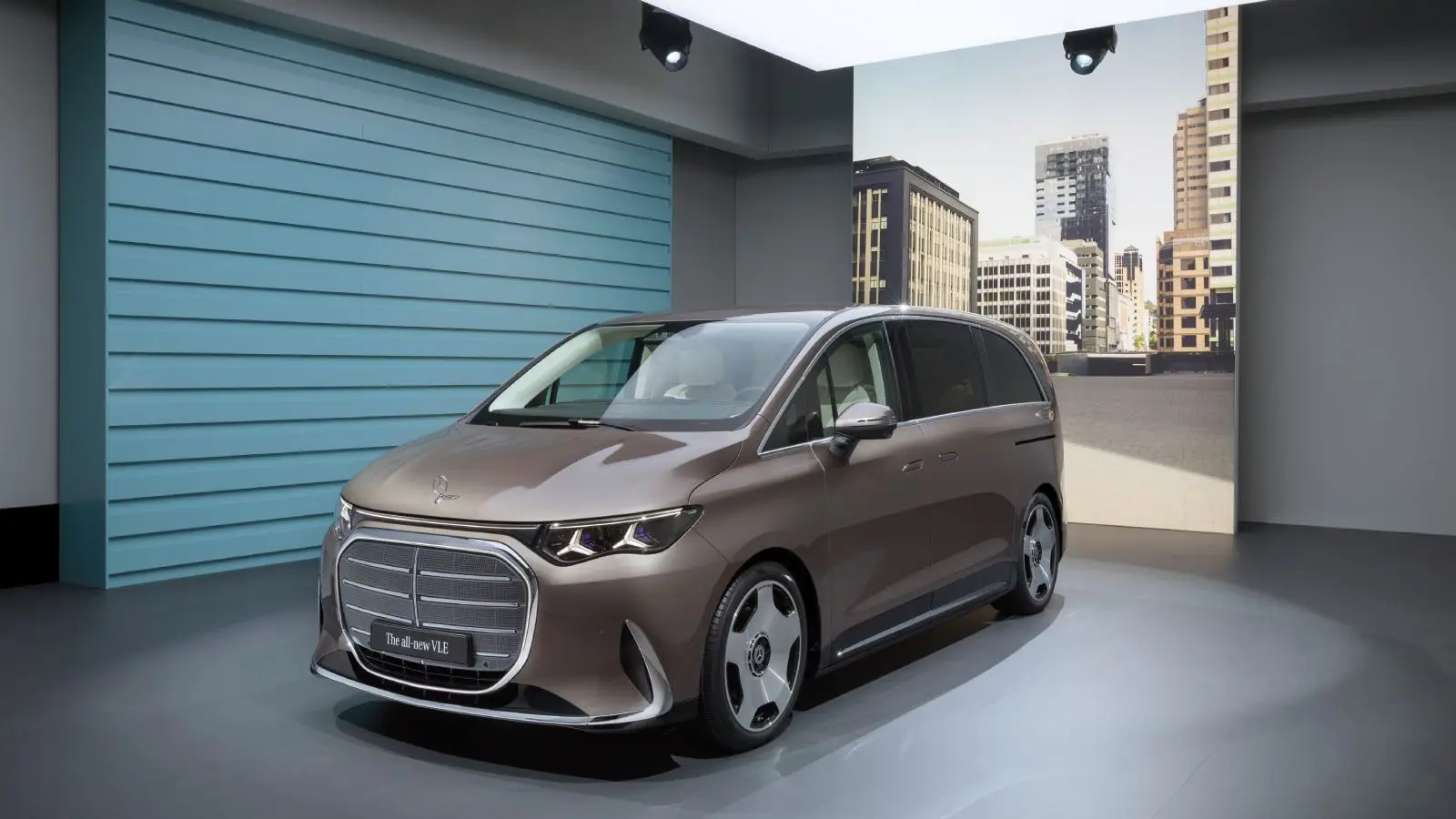
Mercedes-Benz has presented the new electric VLE, the first model built on the Van Architecture platform. Learn about its range, charging and digital systems.
Mercedes-Benz has unveiled the new electric VLE, a model intended to mark the next chapter in the evolution of the brand’s van lineup. The vehicle is the first to be built on the newly developed Van Architecture, a modular platform designed specifically for future electric vans. According to the company, this architecture will underpin a wide range of vehicles — from family transporters to premium shuttles and specialized commercial variants.
The VLE is positioned as a kind of “Grand Limousine” in the van segment. It combines the spaciousness and flexibility typical of MPVs with the ride comfort and refinement associated with luxury sedans. Mercedes-Benz aims to merge practicality with premium travel, creating a format suited both to family journeys and to executive transport.
Electric power is central to the concept. The first version, the VLE 300 electric, delivers 203 kW and is projected by the manufacturer to achieve a driving range of more than 700 kilometers under the WLTP cycle. A more powerful VLE 400 4MATIC electric will follow, offering over 300 kW and all-wheel drive. Both versions use a new 115 kWh NMC battery, while later variants are expected to introduce LFP batteries with 80 kWh usable capacity, a chemistry typically associated with lower cost and long service life.
Charging performance is enhanced by an 800-volt electrical architecture. Under suitable conditions, the system can add around 355 kilometers of WLTP range in just 15 minutes at high-power charging stations, with DC charging capability reaching up to 300 kW.
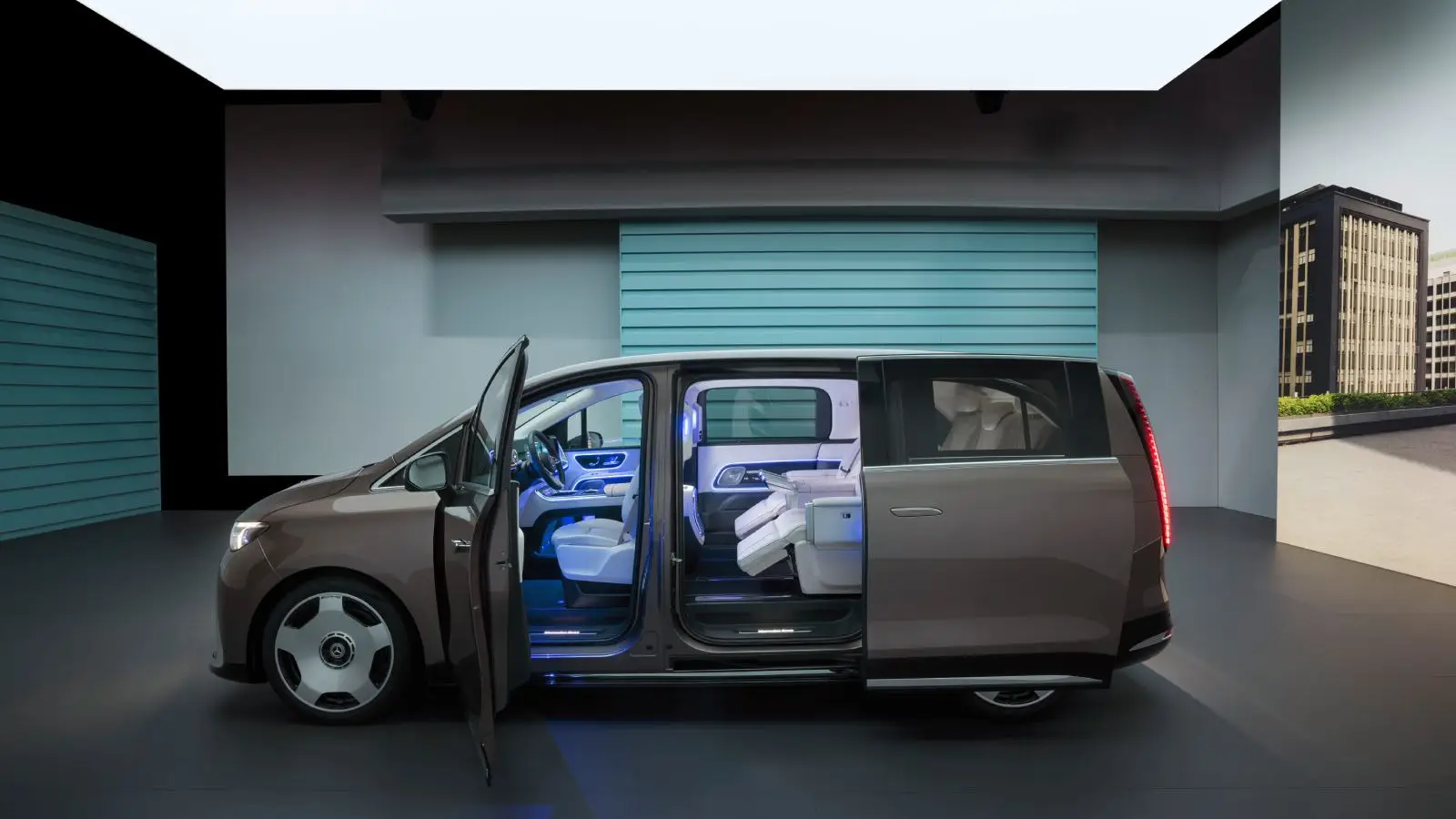
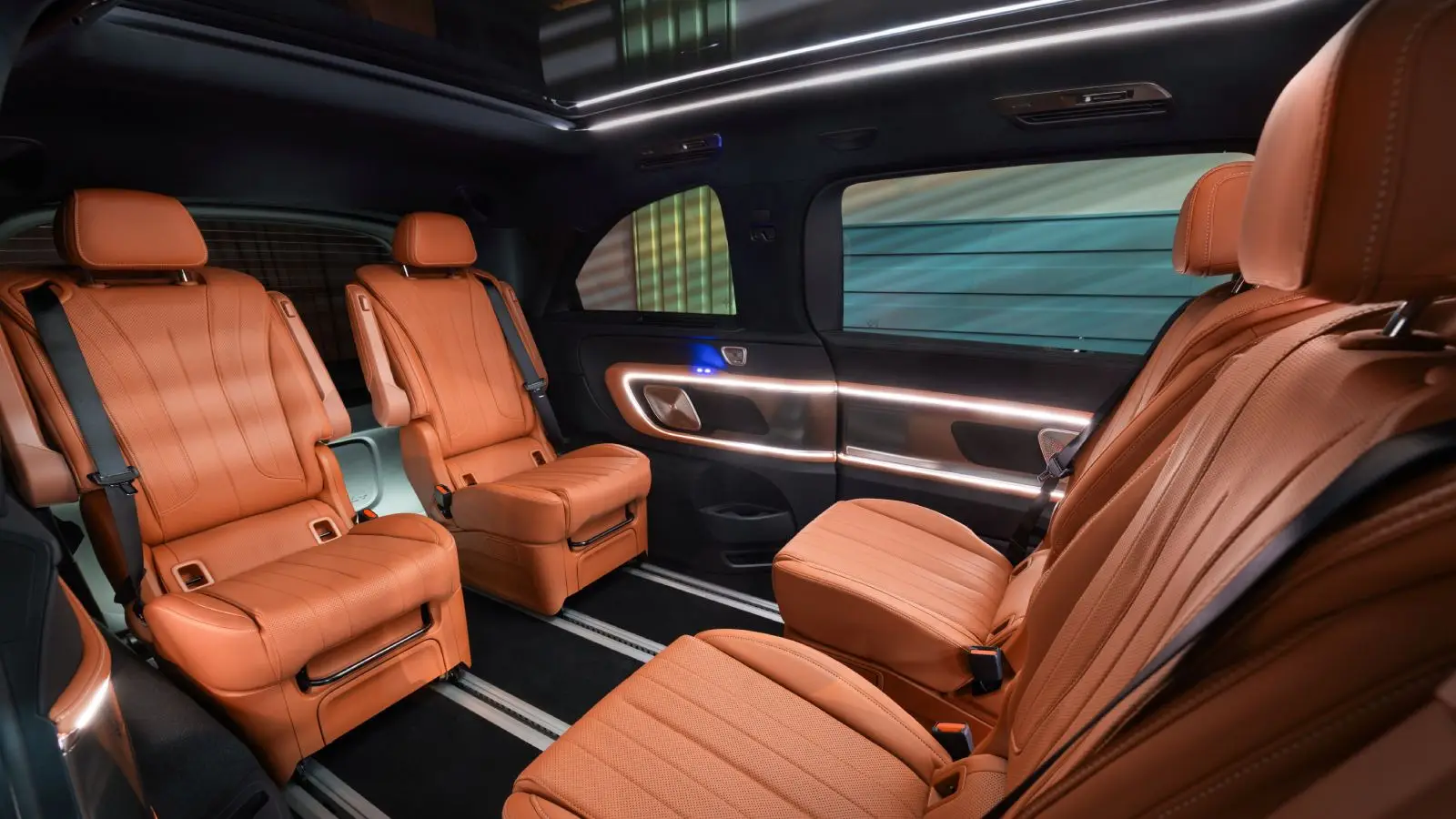
Versatility is another defining aspect of the vehicle. The VLE can accommodate up to eight passengers, and its seating layout can be reconfigured in multiple ways. The Roll & Go system allows seats to be moved, folded, or completely removed to create additional cargo space. Electrically adjustable seats can also be repositioned remotely via the infotainment system or a smartphone app through a feature called Remote Variable Rear Space.
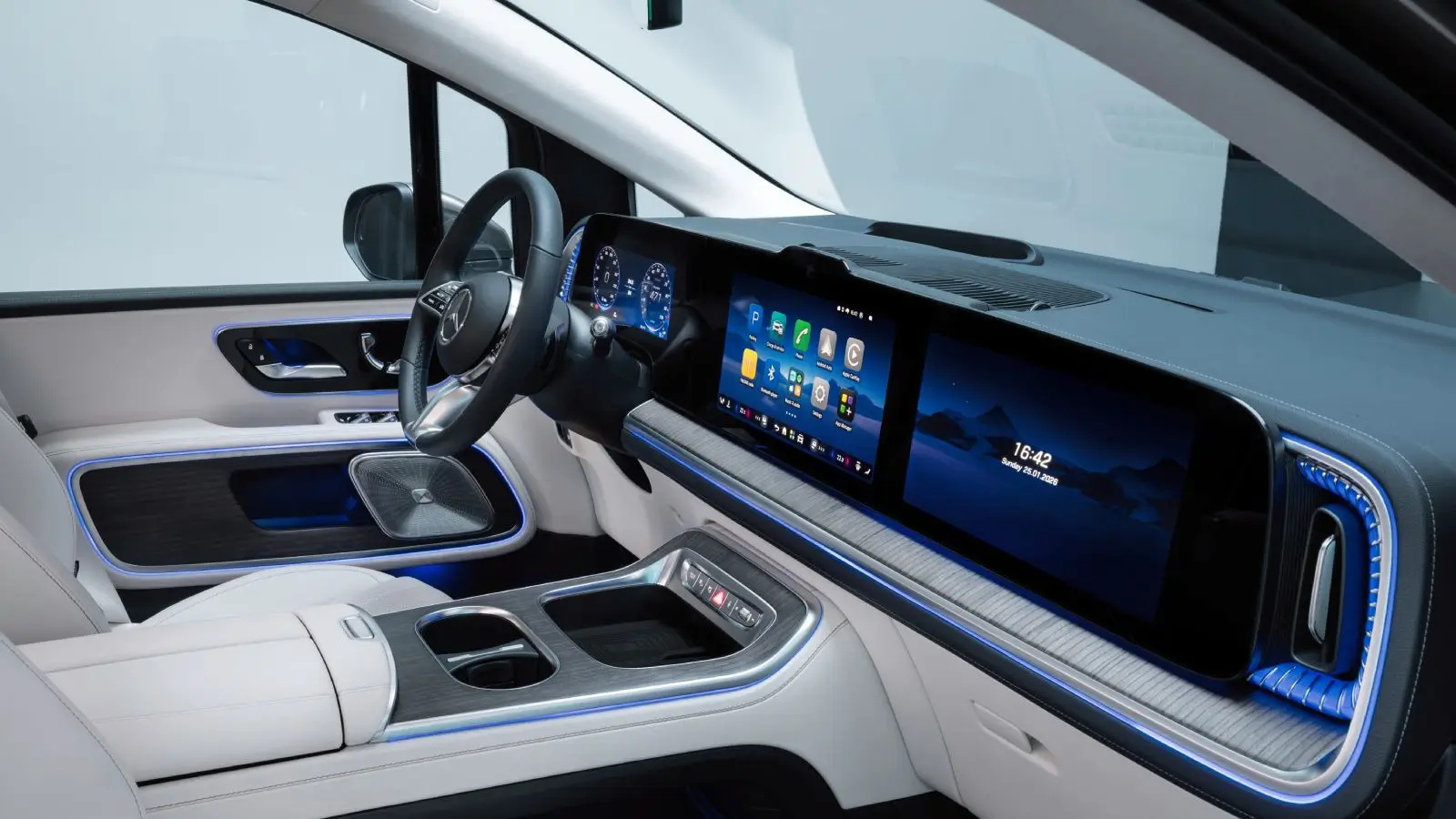
The digital ecosystem is built around the new Mercedes-Benz Operating System (MB.OS), which connects infotainment, driver assistance functions and other vehicle domains within a unified software platform. The system supports over-the-air updates and integrates cloud services. The latest generation of MBUX incorporates generative AI technologies, including ChatGPT, Microsoft Bing and Google Gemini, enabling more advanced conversational interaction with the virtual assistant.
One of the most striking elements of the interior is the optional MBUX Rear Space Experience. Hidden in the roof is a retractable 31.3-inch panoramic display with 8K resolution, designed to transform the cabin into a cinema, gaming hub or mobile office. The system can be paired with a Burmester 3D Surround Sound system using Dolby Atmos for immersive audio.
The VLE also introduces several technologies aimed at ride comfort and maneuverability. These include AIRMATIC air suspension, rear-axle steering with up to seven degrees of angle, and a drag coefficient of 0.25, an unusually low figure for a vehicle of this size.
Mercedes-Benz describes the model as a highly adaptable vehicle capable of serving multiple roles. It can function as a family car, a long-distance travel companion, or an executive shuttle. The concept aligns with the broader strategy of Mercedes-Benz Vans, which places growing emphasis on electric drivetrains and the expansion of premium passenger van segments.
In many ways, the VLE illustrates how the company envisions the future of this category: a spacious electric vehicle that combines the flexibility of a van, the comfort of a limousine, and a digital environment comparable to that of modern luxury cars.
Mark Havelin
2026, Mar 10 23:59