
Why Correct Tyre Pressure Is Crucial for Car Performance
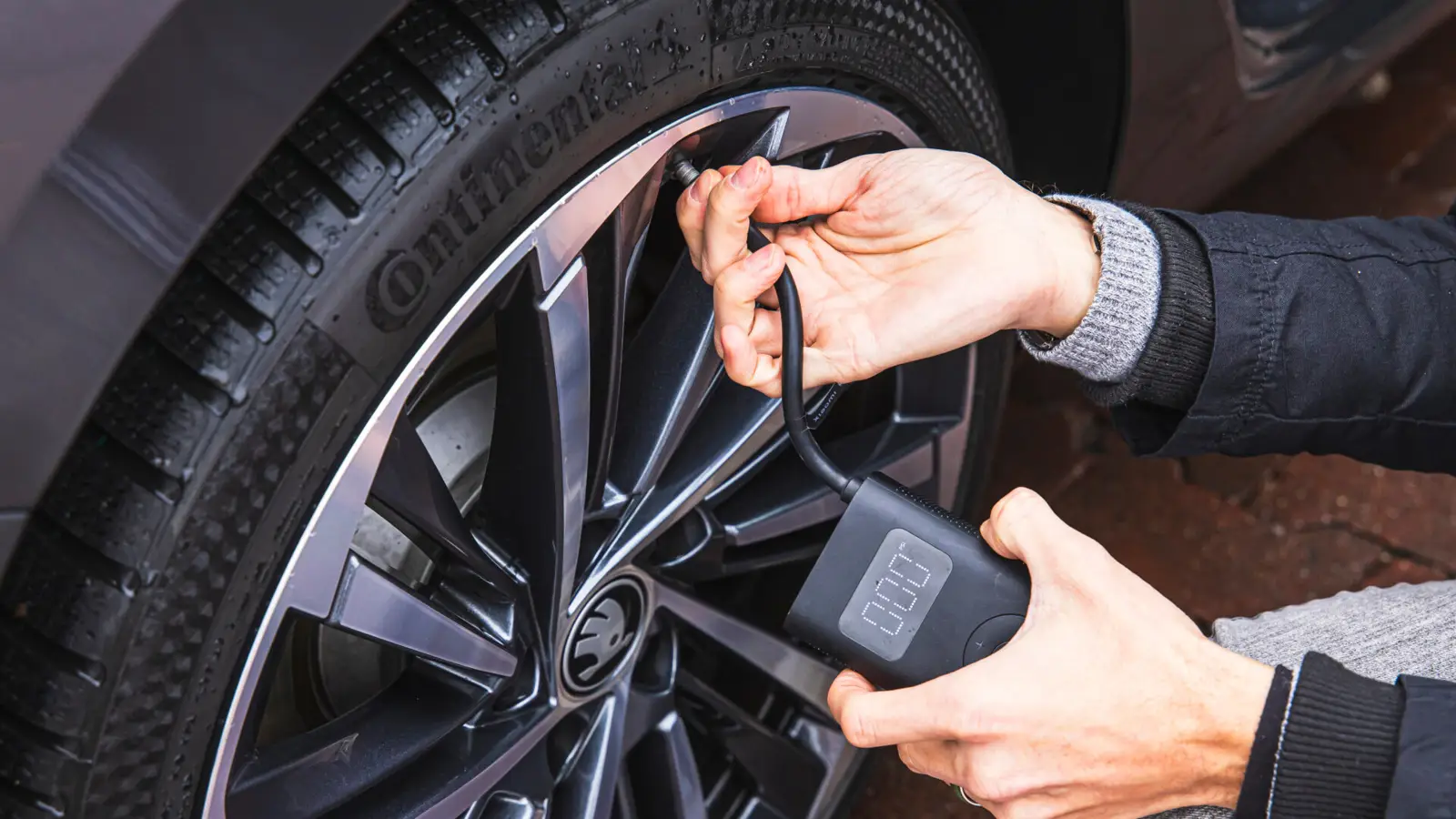
Skoda Auto tyre specialist Jiri Pazderny explains why correct tyre pressure affects safety, braking distance, fuel consumption and tyre wear. Learn why regular checks matter.
Tyres are the only part of a car that actually touches the road. Because of this, their condition and operating parameters influence not only comfort but also safety, handling and even fuel consumption. One of the key factors determining how tyres perform is the air pressure inside them. Engineers take this parameter into account from the earliest stages of vehicle development.
According to Skoda Auto tyre specialist Jiri Pazderny, tyre pressure is defined at the very beginning of the design process. Engineers dimension other vehicle components — especially chassis parts — based on this value and fine-tune the vehicle’s setup accordingly. If drivers ignore the manufacturer’s recommended pressure, the car may behave differently from how its engineers intended.
The recommended pressure is chosen as a balance between several important characteristics. A tyre must provide sufficient service life, ensure stable handling and deliver a high level of ride comfort, while also helping achieve the shortest possible braking distance and avoiding unnecessary increases in fuel consumption. Achieving this balance is complex, which is why engineers define detailed tyre requirements already during the development phase.
Although modern vehicles are equipped with tyre pressure monitoring systems, these systems usually issue warnings only once the pressure drops below a critical threshold. For this reason, drivers are advised to check tyre pressure themselves about once a month and adjust it when necessary.
Tyre pressure must also be adapted to the vehicle’s load. Most cars display a pressure label on the body that shows two values: one for partial load and one for full load. When the overall weight of the vehicle increases — for example during a family trip with a fully packed boot — tyre pressure needs to be increased to maintain proper driving characteristics.
Temperature changes also influence tyre pressure. In cold weather the pressure inside the tyre decreases, while in hot conditions it rises. Because of this, specialists recommend checking and adjusting tyre pressure when the tyres are cold and under the temperature conditions in which the vehicle will actually be driven.
Incorrect pressure can cause several problems. Underinflated tyres reduce vehicle stability, decrease steering precision and increase fuel consumption, while also accelerating wear on the outer edges of the tread. Overinflated tyres, on the other hand, can worsen handling on wet surfaces, increase braking distance and reduce ride comfort, while causing excessive wear in the central part of the tread.
The situation becomes particularly risky when some tyres are underinflated while others are overinflated. In such cases the vehicle can enter a state of significant dynamic imbalance, with the negative effects of both conditions combining and amplifying each other.
Tyre pressure therefore remains one of the parameters drivers can easily control themselves, yet it has a direct impact on safety, efficiency and tyre longevity. Regular pressure checks are a simple step that can significantly improve how a vehicle behaves on the road while also reducing operating costs.
Mark Havelin
2026, Mar 11 03:13