
1967 DeTomaso Mangusta With Japanese Provenance Appears at Auction
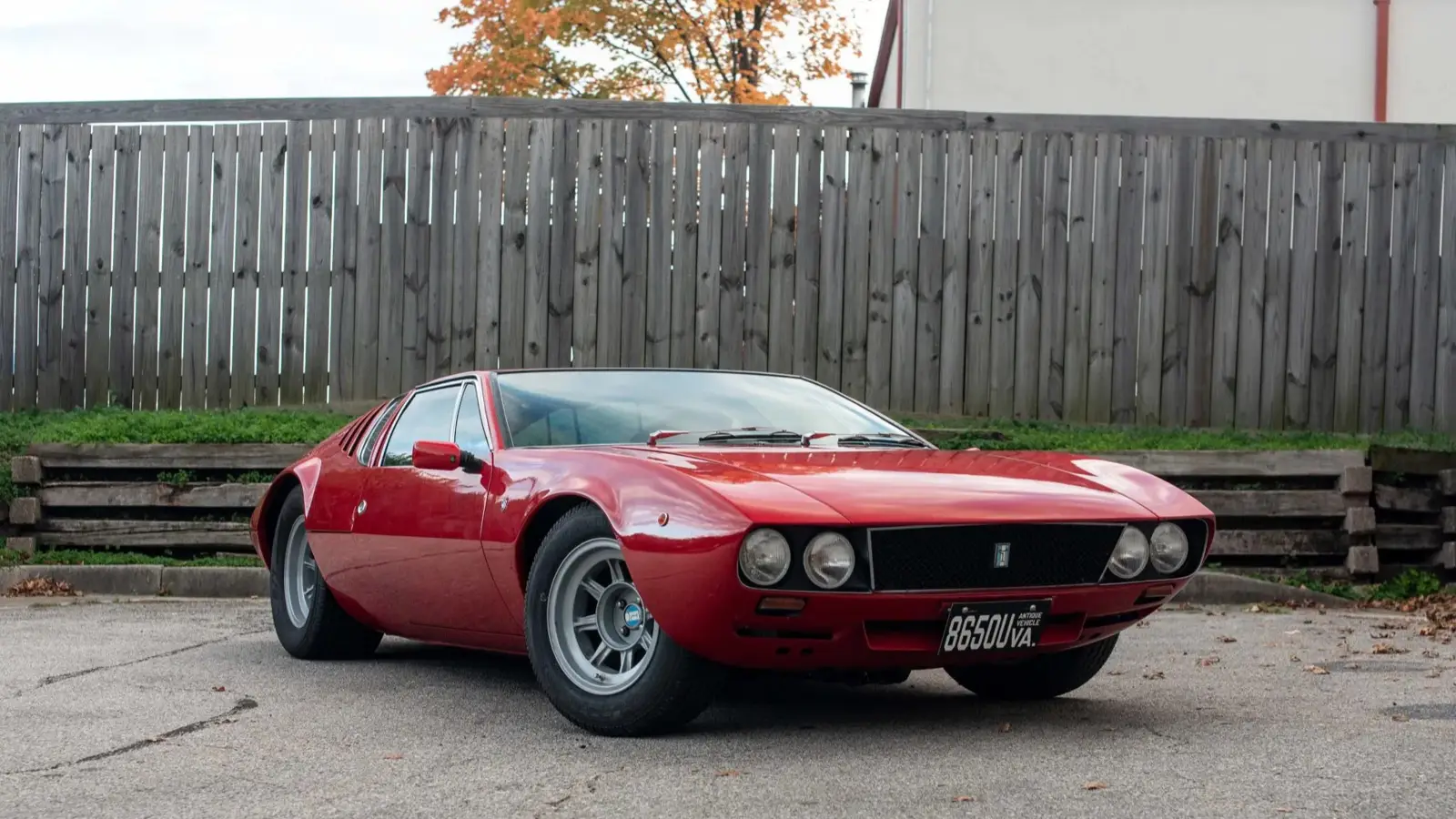
A 1967 DeTomaso Mangusta, one of about 401 built, is listed on Bring a Trailer. The car has a long Japanese history and appeared at a 2025 concours. Learn the details.
A rare Italian sports car from the late 1960s has returned to the spotlight of collectors. A 1967 DeTomaso Mangusta is currently offered on Bring a Trailer, one of roughly 401 examples produced during the model’s short production run. This particular car, chassis 8MA620, stands out not only because of its rarity but also due to its unusual history.
According to the listing, the car was purchased at the Turin Motor Show by internationally known Japanese fashion designer Hanae Mori. It reportedly spent most of its life in Japan, particularly in the resort town of Karuizawa. About seven years ago, the car was acquired by its current owner, who later imported it to the United States in 2022.
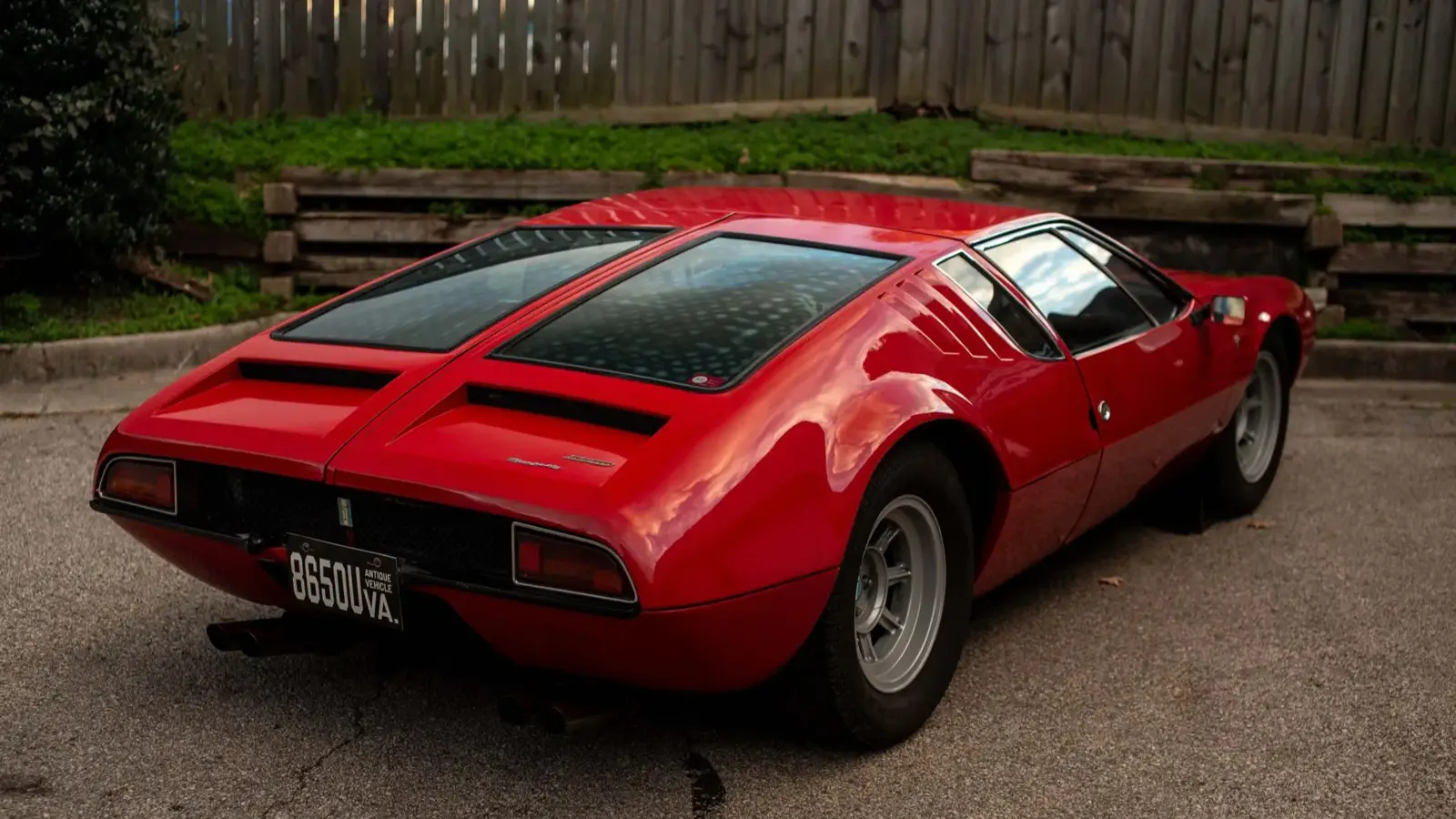
Following its arrival, the Mangusta underwent a series of refurbishment works between 2023 and 2024. The project included welding repairs to sections of the floor, restoration of structural elements, and a complete re-trim of the interior in black leather. The braking system and several mechanical components were serviced, while the Campagnolo wheels were refinished and the cabin received new carpeting.
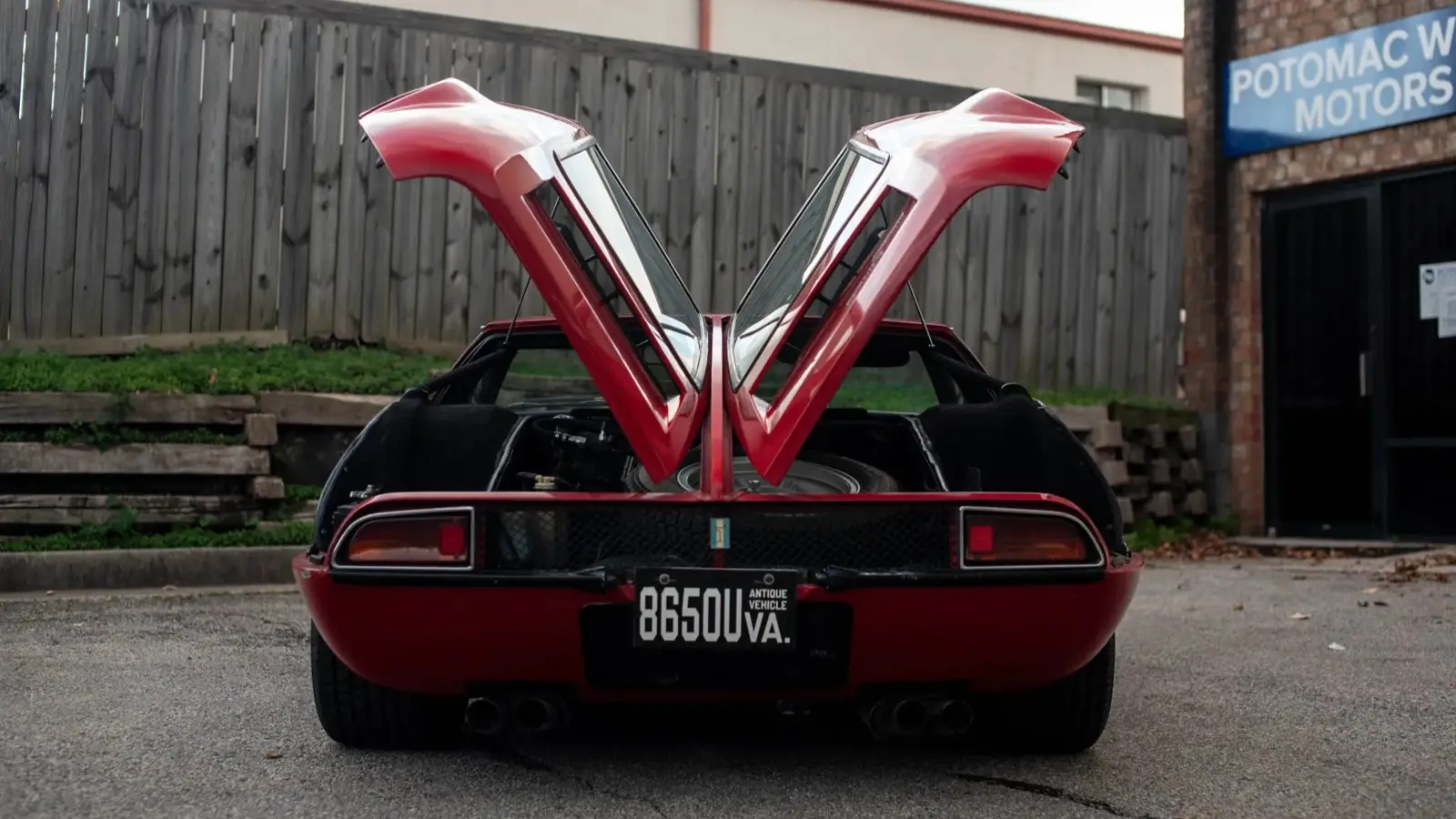
The results were notable. After the work was completed, the car appeared at the St. Michaels Concours d’Elegance on Chesapeake Bay and, according to the seller, won its class at the 2025 event.
The Mangusta itself occupies a special place in the history of Italian sports cars. Introduced in the late 1960s, it became the second production model from De Tomaso and served as a bridge between the earlier Vallelunga and the later, more widely produced Pantera. The car’s development traces back to the unfinished Shelby–De Tomaso P70 racing project that followed the end of cooperation with Carroll Shelby.
The name Mangusta—Italian for mongoose—is widely interpreted as a symbolic reference to the Shelby Cobra, reflecting both the end of the partnership and Alejandro de Tomaso’s ambitions for his emerging sports-car brand.
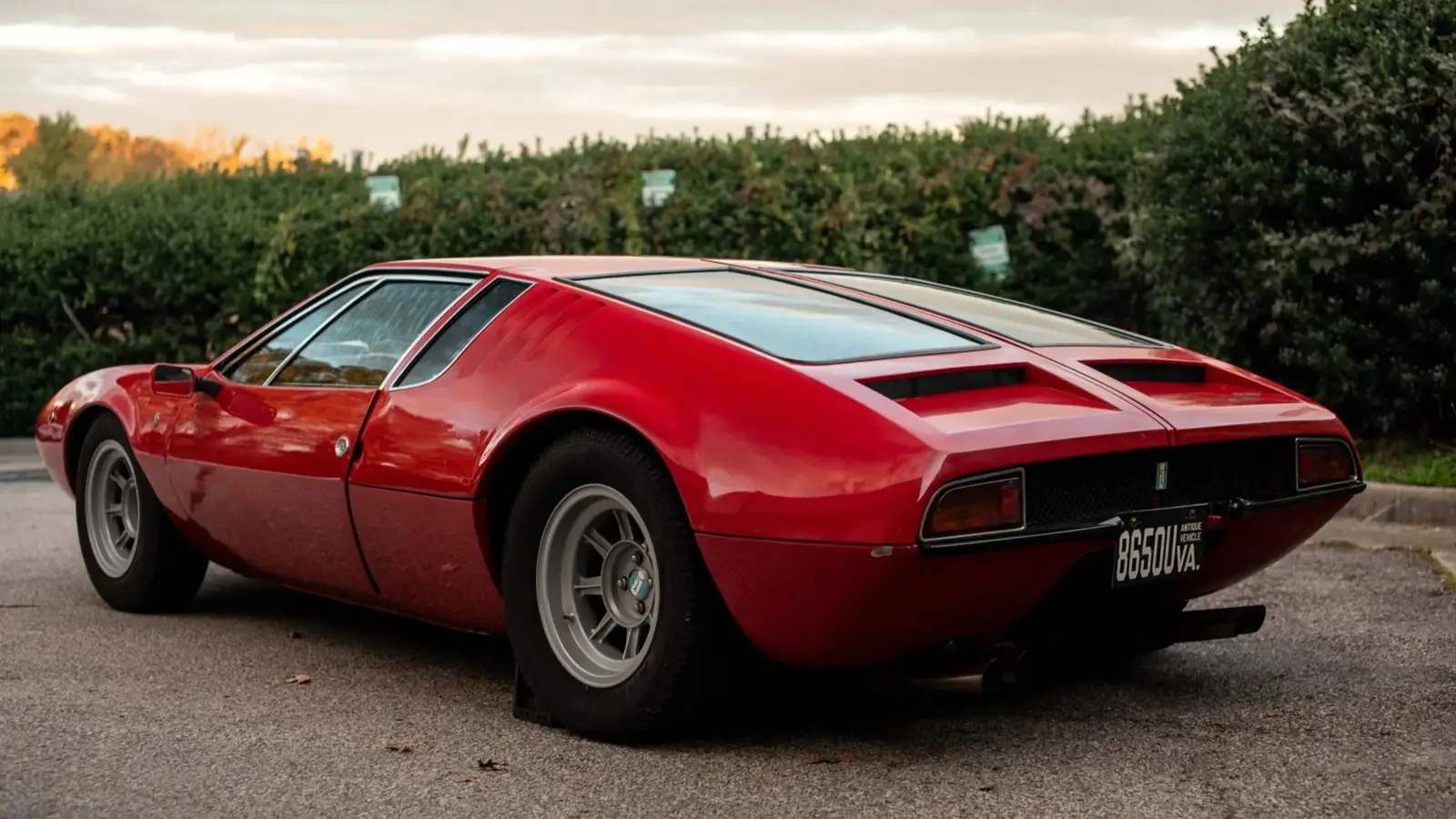
The car’s distinctive bodywork was designed by Giorgetto Giugiaro during his time at the Ghia design house. One of the most recognizable features is the rear engine cover divided into two sections that open upward from the center, a striking design detail that helped define the Mangusta’s dramatic appearance.
Mechanically, the model represents a blend of Italian engineering and American power. This particular example is equipped with a 351-cubic-inch Ford Windsor V8 paired with a ZF five-speed manual transaxle. The car features independent suspension with coilover shock absorbers as well as power-assisted disc brakes.
Additional equipment includes fixed quad headlights, air conditioning, power windows, and 15-inch Campagnolo alloy wheels. The odometer shows approximately 42,000 kilometers, about 10,000 of which were added under current ownership.
The listing also openly documents several imperfections. Corrosion is noted at the bottom of the doors, and a crack in the transmission case is visible in the photo gallery. The Virginia title further indicates that the odometer reading is marked as “Not Actual.”
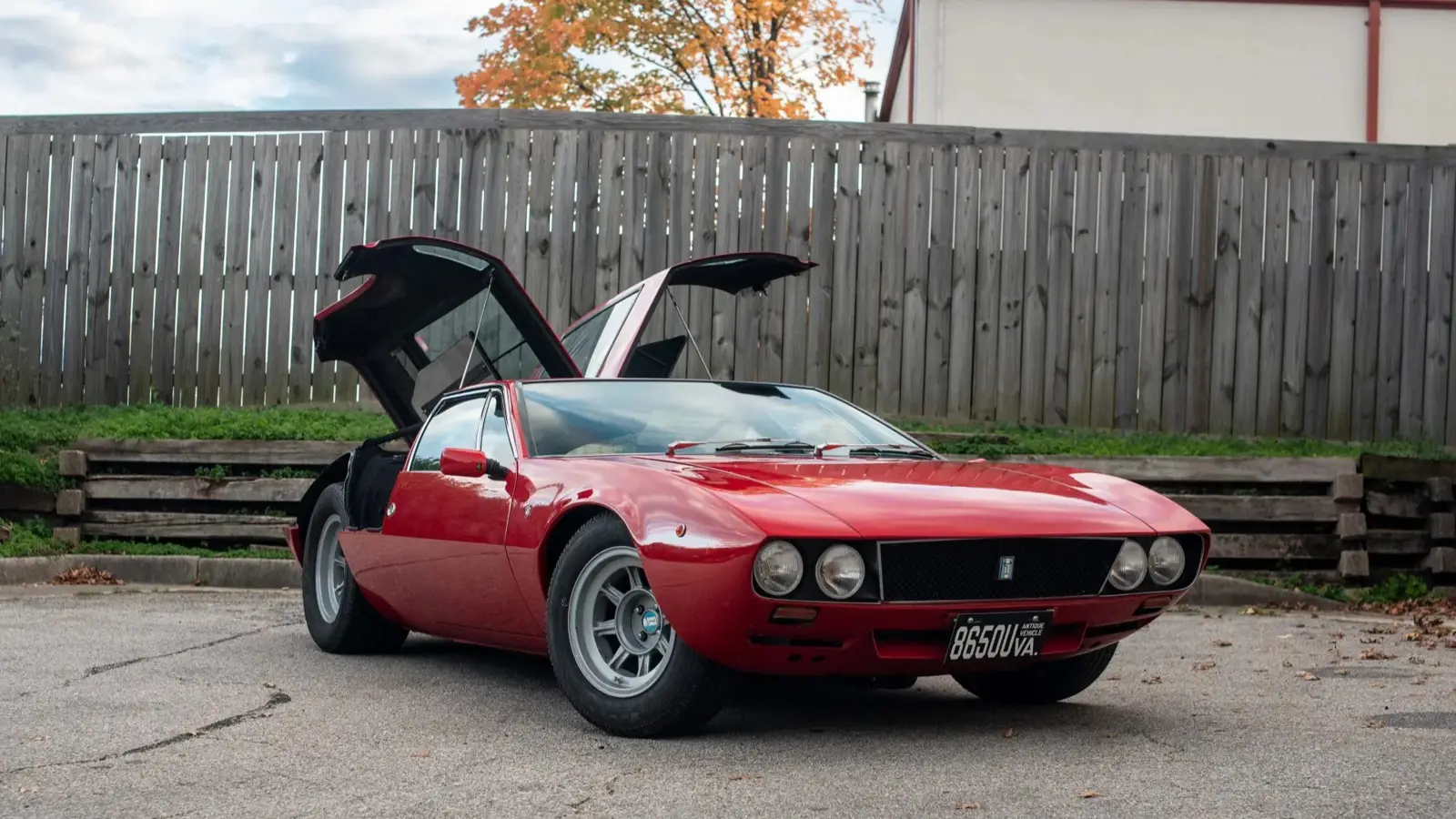
For collectors, the combination of factors makes this car particularly intriguing. The Mangusta is already among the rarer Italian sports cars of its era, and this example adds a long Japanese chapter in its life, an association with a prominent figure in international fashion, and a recent appearance at a concours event. Such details often play a decisive role in shaping the appeal of historic automobiles at auction.
How the bidding ultimately unfolds will become clear as the auction approaches its closing date. What is certain already is that this Mangusta represents more than just a rare sports car—it is a machine with a layered and distinctive story.
Allen Garwin
2026, Mar 11 10:29