
Ferrari Reintroduces Physical Steering Wheel Buttons After Owner Feedback
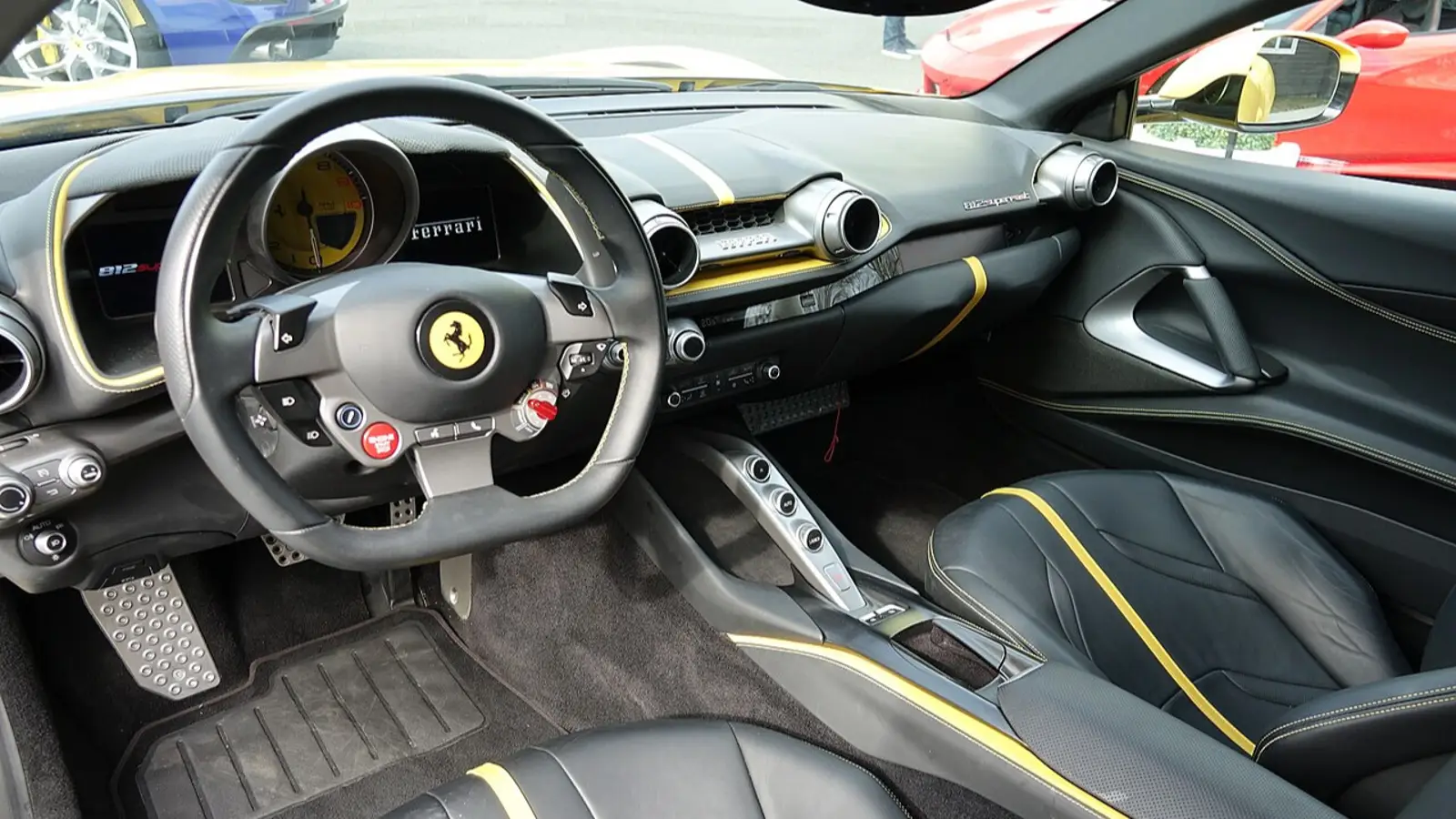

Ferrari is returning to physical steering wheel buttons after owners criticized capacitive controls. Dealers now offer a retrofit module for Purosangue and 12Cilindri models.
Ferrari is gradually stepping away from touch-sensitive steering wheel controls and returning to traditional physical buttons. The move follows criticism from owners who reported usability issues with capacitive panels and occasional unintended inputs while driving.
One of the first practical steps is already appearing through the brand’s dealer network. Some Ferrari dealers have begun offering a new steering wheel center module that replaces touch pads with conventional buttons. Importantly, this is not a complete steering wheel replacement: only the central section is changed, and installation is carried out by a dealer followed by a short vehicle calibration check.
The retrofit configuration is currently available to order for the Ferrari Purosangue and the 12Cilindri family, including the 12Cilindri Spider. In these cars, physical buttons handle key functions such as phone control, cruise control, and menu navigation. However, the setup does not fully replicate the newest Ferrari steering wheels: the engine start-stop system in the retrofit module remains touch-responsive.
The introduction of this retrofit solution shows how closely Ferrari is reacting to owner feedback. Capacitive steering wheel controls were originally intended to create a modern minimalist interface and allow more functions to be integrated into a compact surface. In real-world driving, however, many owners found that such controls required extra attention and could distract from the road.
The company’s shift is already visible in newer models. The recently introduced Ferrari Amalfi features a redesigned steering wheel with physical buttons and the return of the iconic engine start button, one of the brand’s recognizable interior elements. The model effectively marks the beginning of Ferrari’s broader rethink of its in-car interfaces.
At the same time, Ferrari is exploring how this philosophy will shape future vehicles. The interior of the upcoming electric model Luce demonstrates a different approach, combining digital displays with mechanical controls. The cabin incorporates aluminum switches and rotary knobs for key functions, allowing drivers to operate essential systems more intuitively.
This shift reflects a wider discussion across the automotive industry. In recent years, touch-based vehicle controls have faced growing criticism, and several manufacturers have begun reconsidering the role of physical buttons for important functions.
Viewed in this context, Ferrari’s new steering wheel configuration is more than just an accessory update. It signals a broader evolution in design thinking, as the brand searches for a balance between digital technology and tactile interaction — one that, at least for now, appears to be moving back toward traditional buttons.
Allen Garwin
2026, Mar 15 10:45