
Rolls-Royce Goodwood expansion brings £3.1M to local economy
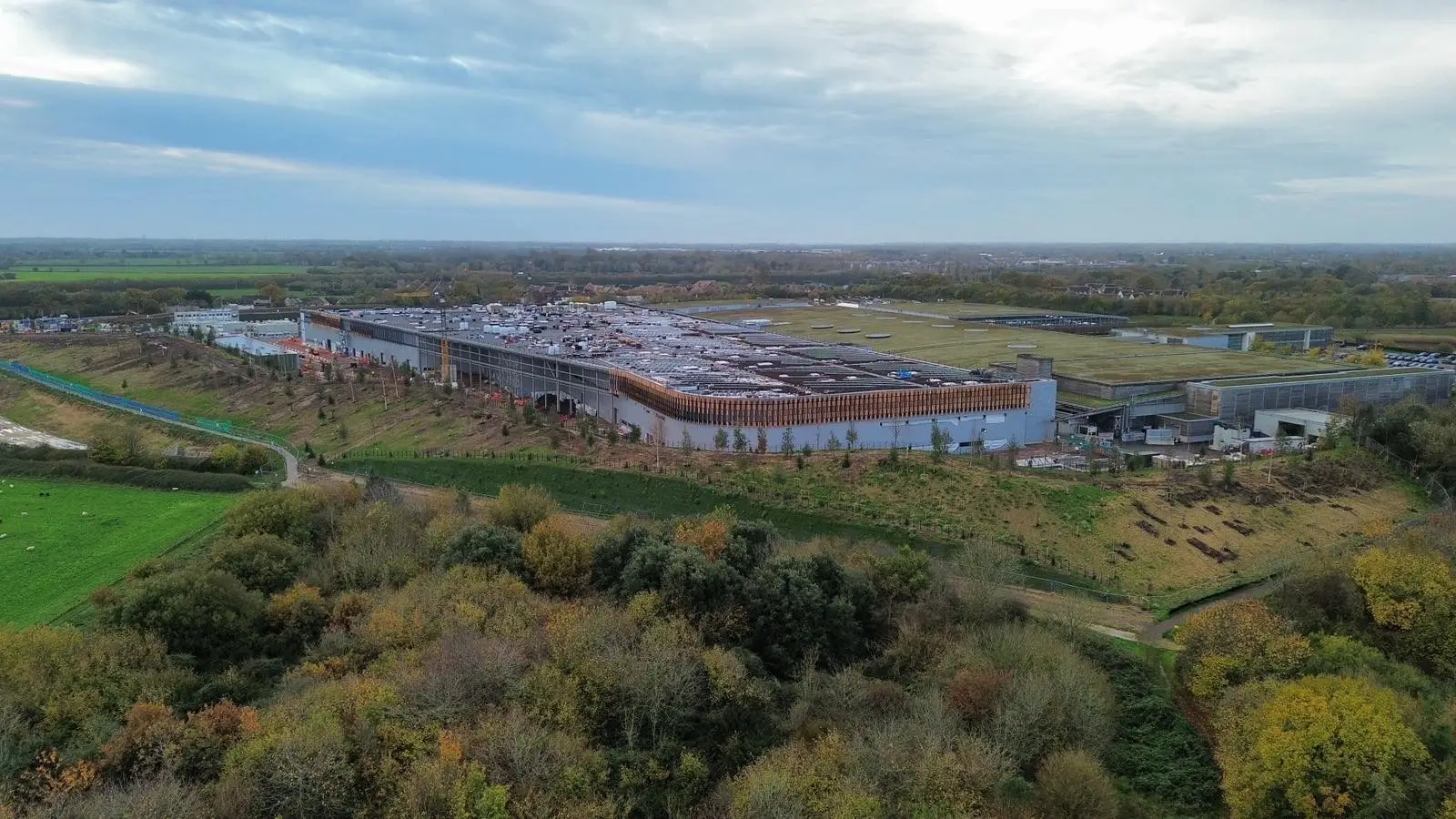
Rolls-Royce reports its Goodwood expansion added £3.1M to the local economy in its first year. Discover key figures, jobs impact, and project timeline.
£3.1 million — that is how much the construction of Rolls-Royce’s new facility in Goodwood has already injected into the local economy in just its first year. The project is still far from completion, yet its regional impact is already clearly visible.
The expansion of the production site, backed by an investment of more than £300 million, marks the largest upgrade to the Home of Rolls-Royce since it opened in 2003. According to the SLEV report, more than £3.1 million flowed through local supply chains in 2025 alone. The effect has also been felt in the service sector: local hotels generated over £500,000 in new business, with some fully booked for weeks or even months.
Up to 700 people from more than 50 trades are working on site each day. This has a direct impact on employment, with 115 people already hired by local firms within the supply chain. The scale of activity explains why the economic effect extends well beyond the construction site itself, supporting everything from hospitality to regional contractors.
The project is not only significant for the region but also for the company’s long-term strategy. The new building, covering around 40,000 square metres, is designed to expand Rolls-Royce’s capabilities in one of its most important areas — deep vehicle personalisation. It will house dedicated spaces for Bespoke and Coachbuild commissions, as well as a new Surface Finish Centre. Growing demand for highly individualised cars has been identified as a key driver behind the expansion.
The structure has already reached a fully weathertight stage, allowing installation of specialised equipment to begin. The facility remains on schedule to become fully operational in 2029.
This development fits into a broader pattern of growth for Rolls-Royce. A study by the London School of Economics shows the company contributes more than £500 million annually to the UK economy, with nearly 20% generated locally in the Chichester area. Since 2003, its total contribution has exceeded £4 billion.
Against this backdrop, the £3.1 million generated during the first year of construction appears as an early but tangible indicator of how large-scale industrial investment begins to shape local economies well before completion.
Mark Havelin
2026, Mar 18 14:12