
BMW i3 Electric Sedan Revealed as Neue Klasse Model
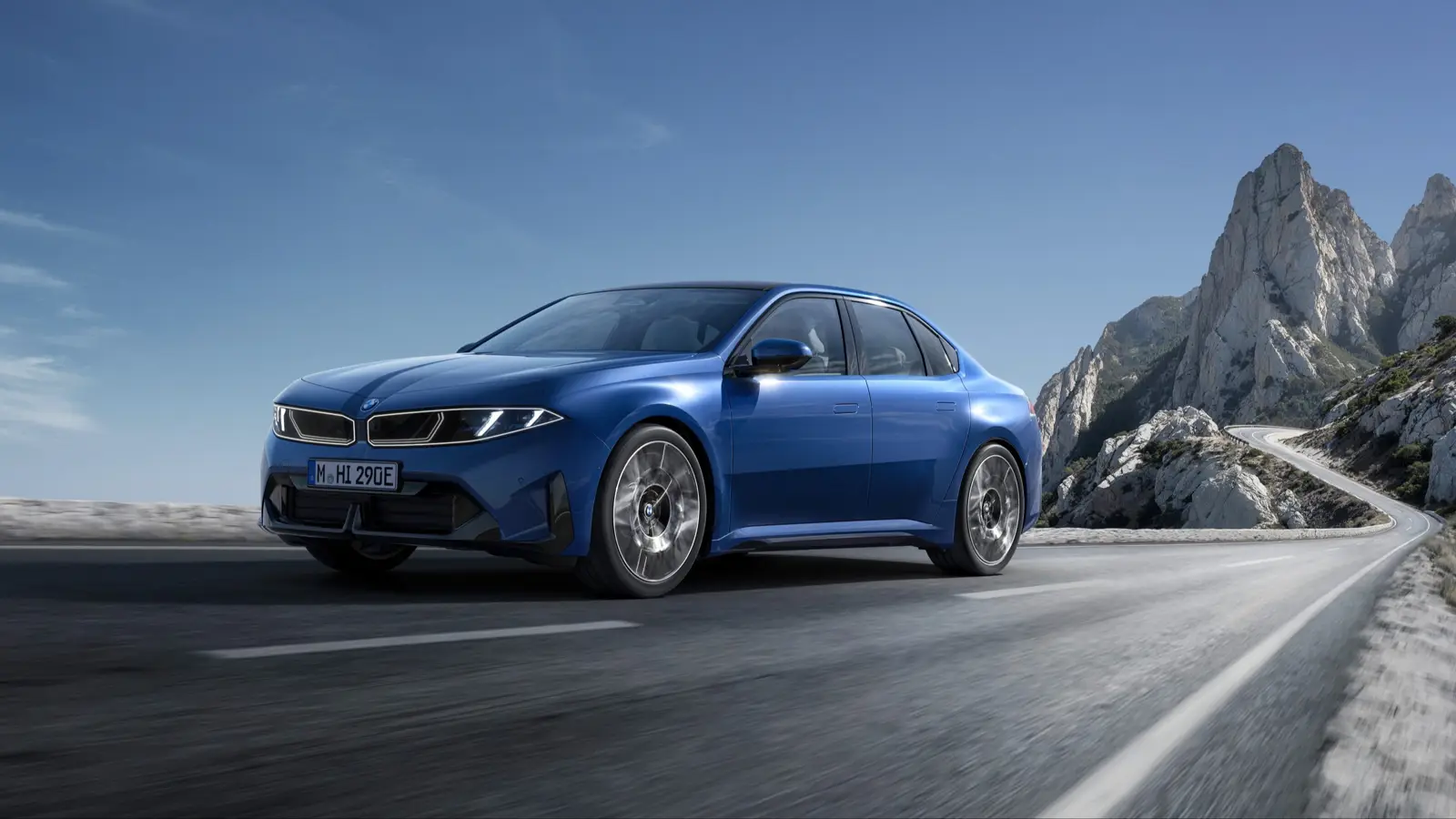
BMW presents the new electric i3 sedan as part of Neue Klasse, combining 3 Series legacy with new eDrive tech, 800V charging and up to 900 km range.
The BMW 3 Series enters the fully electric era for the first time, with the new i3 becoming not just another model, but the second vehicle built on the Neue Klasse platform — a program the company itself describes as a technological leap and the beginning of a new phase.
The BMW i3 50 xDrive sets the tone immediately: dual electric motors, all-wheel drive, 345 kW (469 hp) and 645 Nm of torque. Yet the story goes beyond performance figures. This model directly carries forward the philosophy of the 3 Series, a car that has defined BMW’s idea of a driver-focused sedan since 1975 and has grown into the brand’s most widely sold premium line.
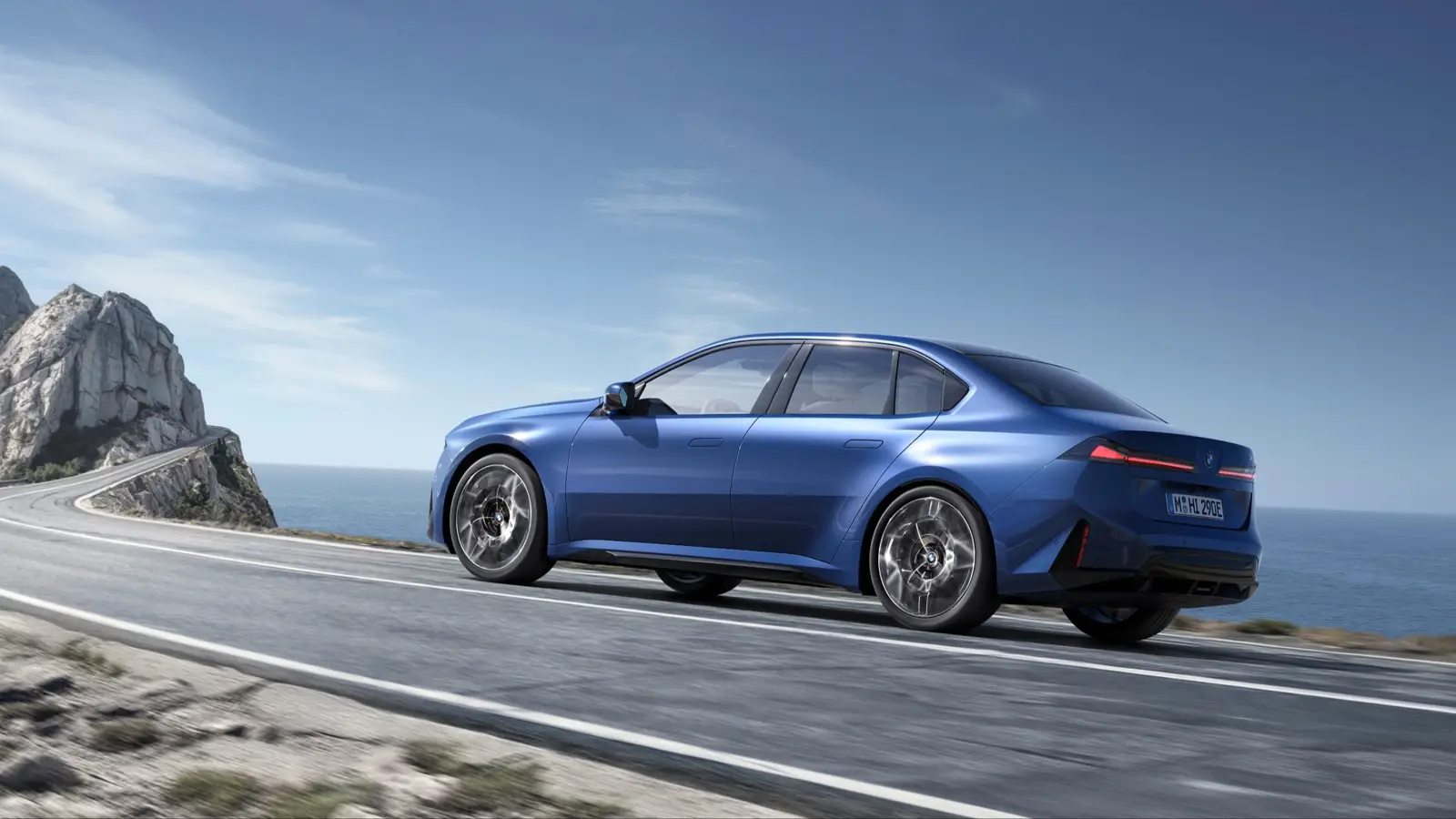
This transition is not simply about switching to electric power. Neue Klasse is positioned as the foundation of BMW’s future portfolio, and the new i3 is among the first production vehicles to embody it. The company openly refers to it as a “technological quantum leap”, aiming to reshape driving dynamics, digital experience and efficiency at the same time.
The technical package reflects that ambition. The BMW i3 introduces sixth-generation eDrive with a redesigned battery system based on cylindrical cells and a cell-to-pack layout. Built on an 800-volt architecture, it enables charging rates of up to 400 kW and adds up to 400 km of range in just 10 minutes. The projected range reaches up to 900 km under WLTP conditions, although BMW notes these figures remain provisional and depend on real-world factors.
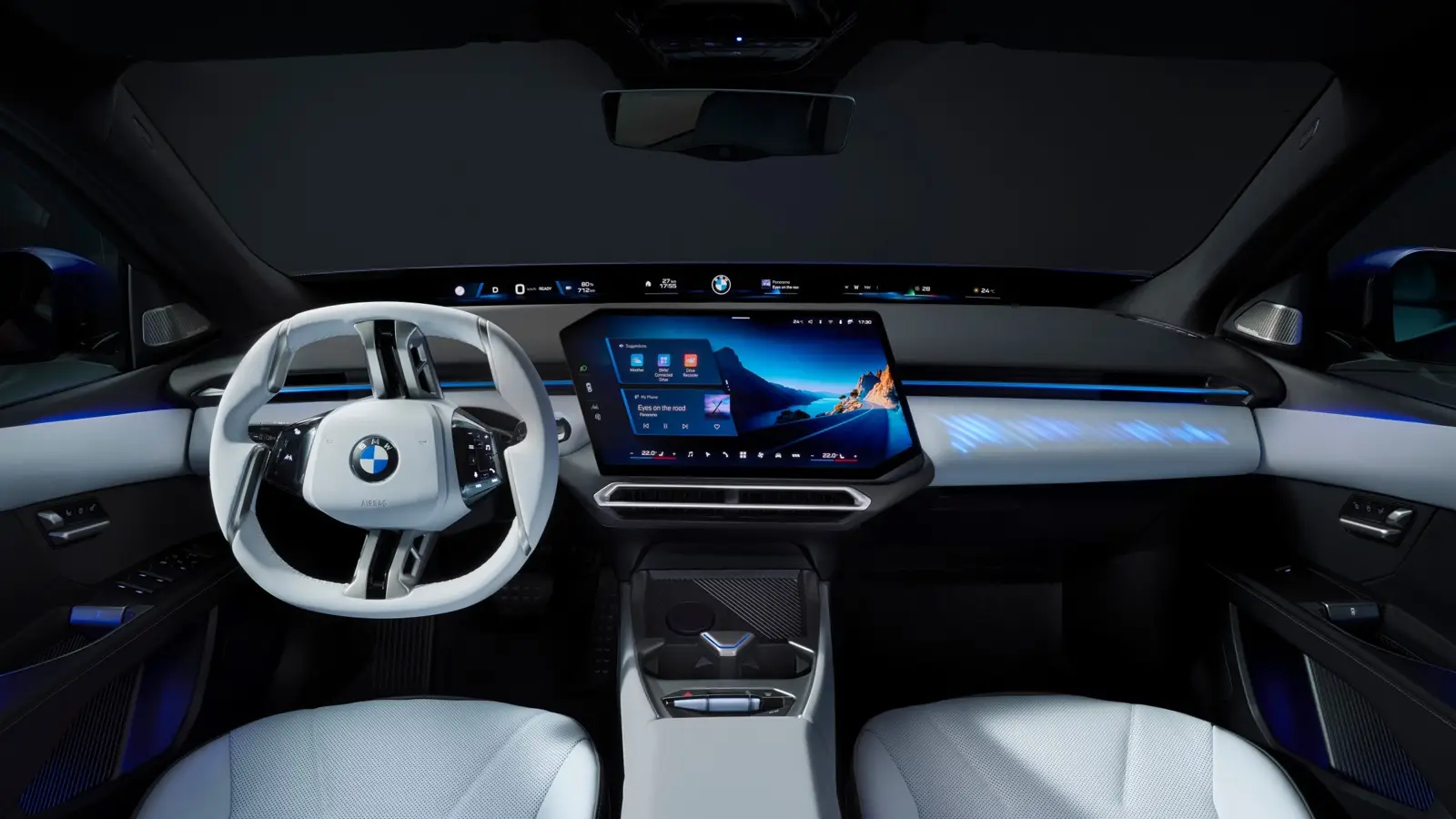
Equally significant is the new electronic architecture. The central Heart of Joy computing unit works alongside other high-performance systems, coordinating drive, braking and energy recuperation in milliseconds, with responses significantly faster than previous setups. Inside, the Panoramic iDrive system introduces a new interface concept with a wide projection display, setting the direction for future BMW interiors.
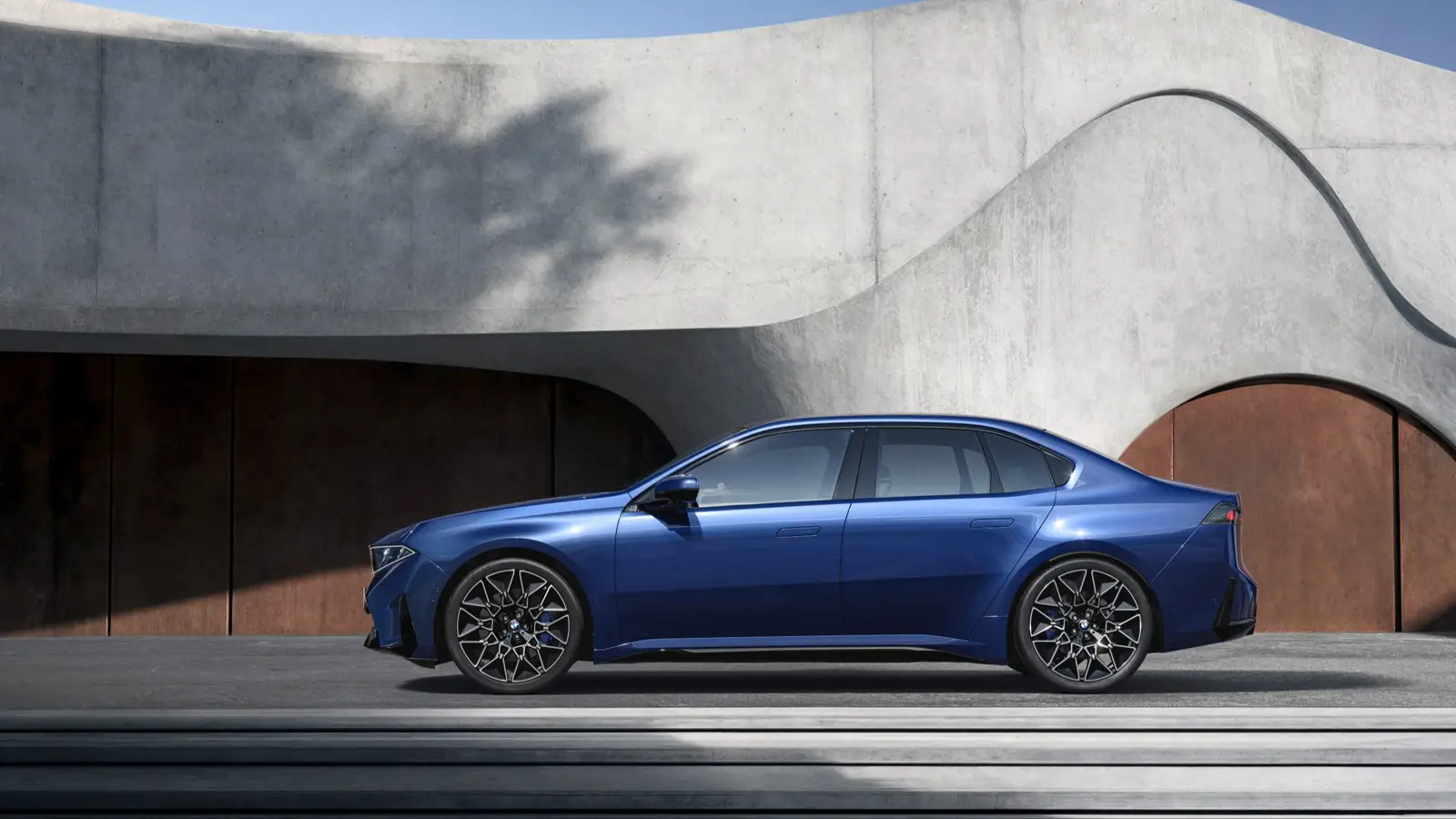
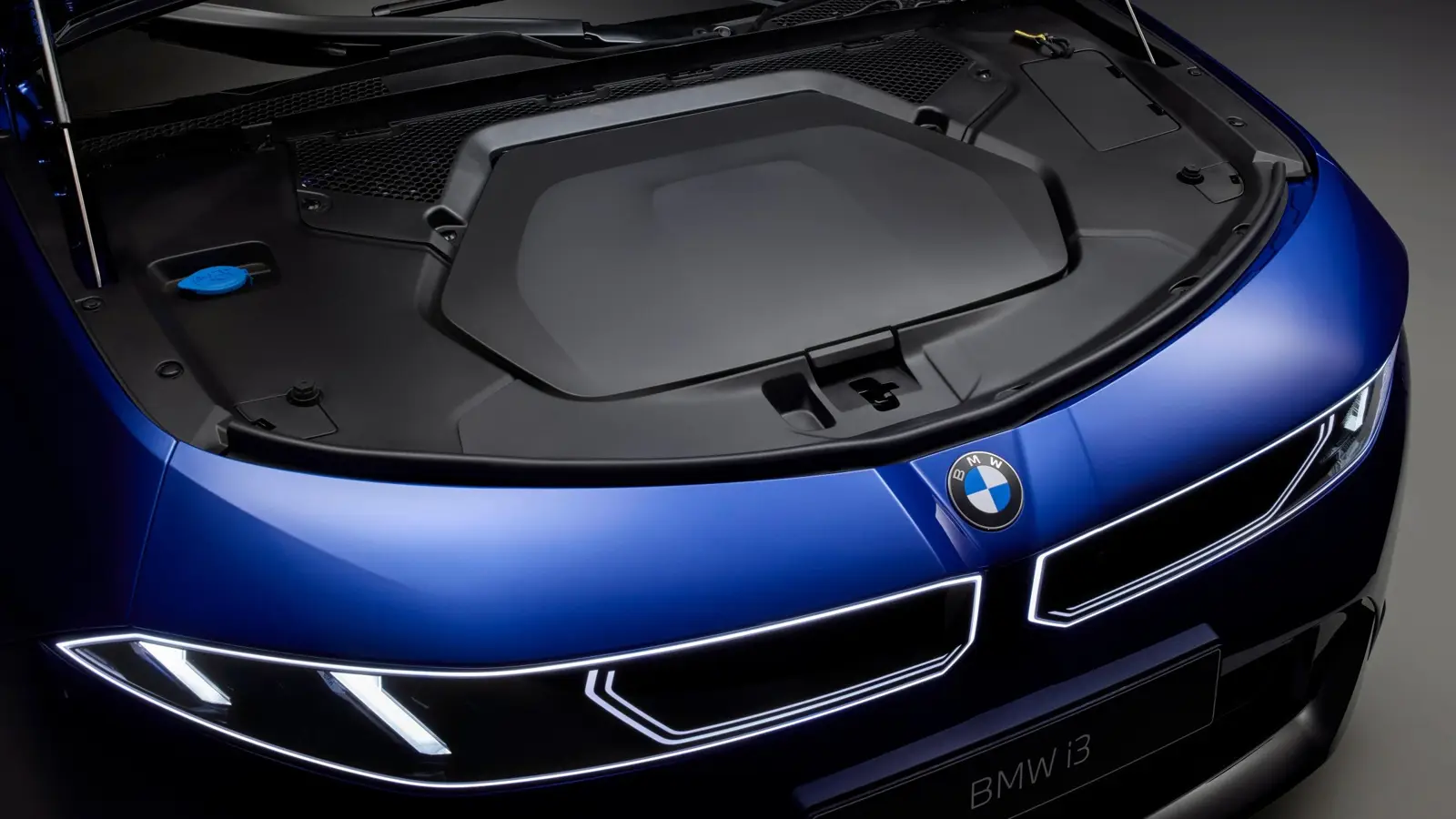
Despite the technological shift, the design remains clearly rooted in the 3 Series identity. The proportions — long wheelbase, short overhangs and a familiar silhouette — are combined with a reinterpreted front end, where the grille and headlights merge into a unified light signature. The interior emphasizes space and driver orientation, now redefined for an electric platform.
Production will take place at BMW’s Munich plant, the historic core of the brand, which has been extensively modernized for electric vehicle manufacturing. Pre-series production has already begun, with full-scale output scheduled for the second half of 2026 and first deliveries expected in the autumn. Within a year, the site is planned to transition entirely to Neue Klasse electric models.
The broader context highlights the scale of this shift. The previous BMW i3, produced from 2013 to 2022, was a compact urban EV and a technological pioneer. The new i3, in contrast, is a full-size sedan integrated into the brand’s core lineup. Electrification, in this case, moves from a separate experiment to the center of BMW’s identity.
In that sense, the new BMW i3 represents more than a model launch — it marks the transition of one of the brand’s defining vehicles to a new technological foundation that is expected to shape a large part of BMW’s future range.
Mark Havelin
2026, Mar 20 09:26