
How to track EV charging costs at home for work use
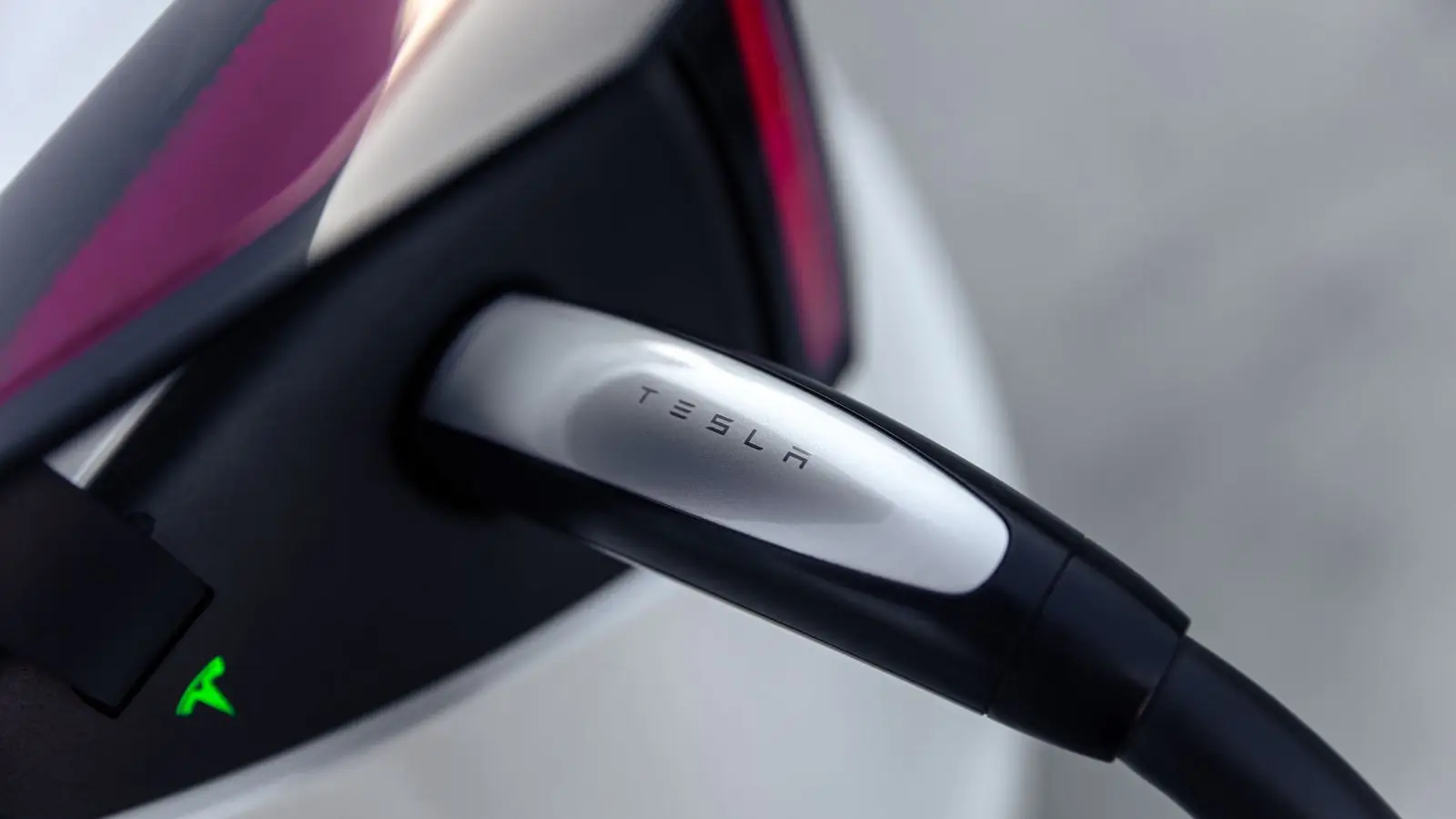
Learn how to track EV charging costs at home for work use. Explore smart chargers, apps, and mileage rates to calculate and report expenses accurately.
Home EV charging quickly turns into an accounting problem the moment a vehicle is used for work: there are no fuel receipts, and electricity consumption blends into regular household usage.
The core challenge is separating the kilowatt-hours used for business driving and turning them into a clear, verifiable cost for reimbursement. In practice, three distinct approaches have emerged, ranging from highly technical to deliberately simple.
The first option relies on smart chargers. These systems log every charging session, showing how much energy was delivered and storing detailed histories. Through mobile apps, users can track data in near real time, assign local electricity rates, and generate cost estimates. Some platforms go further, offering exports or automatic monthly reports. In Europe, an additional layer comes into play: compliance with metering regulations, where certified meters such as MID are often required for accurate and acceptable billing in corporate scenarios.
This turns smart chargers into more than a convenience tool — they become a reliable foundation for precise and auditable cost tracking.
The second approach uses apps connected to the vehicle’s telematics system. These tools track charging activity based on battery data, including state of charge, connection times, and session activity. They can export session histories and estimate energy costs. However, accuracy depends on the data source. When information comes directly from the vehicle, it is an estimate rather than a direct measurement. If the app integrates with the charger, it can rely on metered data instead.
This distinction matters. The energy drawn from the grid and the energy stored in the battery are not identical. Some power is lost during charging — through electronics, heat, or wiring conditions. As a result, wall-based measurements are generally considered more reliable for reimbursement calculations.
The third option skips energy tracking entirely and instead uses a standard mileage rate. In the United States, for example, the 2026 rate is 72.5 cents per mile and applies to all vehicle types, including electric ones. This figure is based on a comprehensive assessment of operating costs, covering not just energy but also depreciation, maintenance, and other expenses.
For many drivers, this is the simplest solution: record mileage, apply the rate, and avoid the complexity of tracking kilowatt-hours. Whether this method is suitable depends on tax rules and company policies.
Energy market conditions help explain why accurate tracking is becoming more important. In Germany, average household electricity prices reached 39.6 euro cents per kWh in 2025, with a significant share made up of grid charges and taxes. At that level, even small discrepancies in measurement can affect reimbursement outcomes.
Ultimately, choosing a method comes down to balancing precision, convenience, and compliance requirements. Smart chargers offer the most detailed and formally robust data, apps provide flexibility with minimal setup, and mileage-based reimbursement removes technical complexity altogether. The final decision is shaped as much by reimbursement rules as by the technology itself.
Mark Havelin
2026, Mar 23 15:39