
US auto industry pushes to maintain China EV restrictions
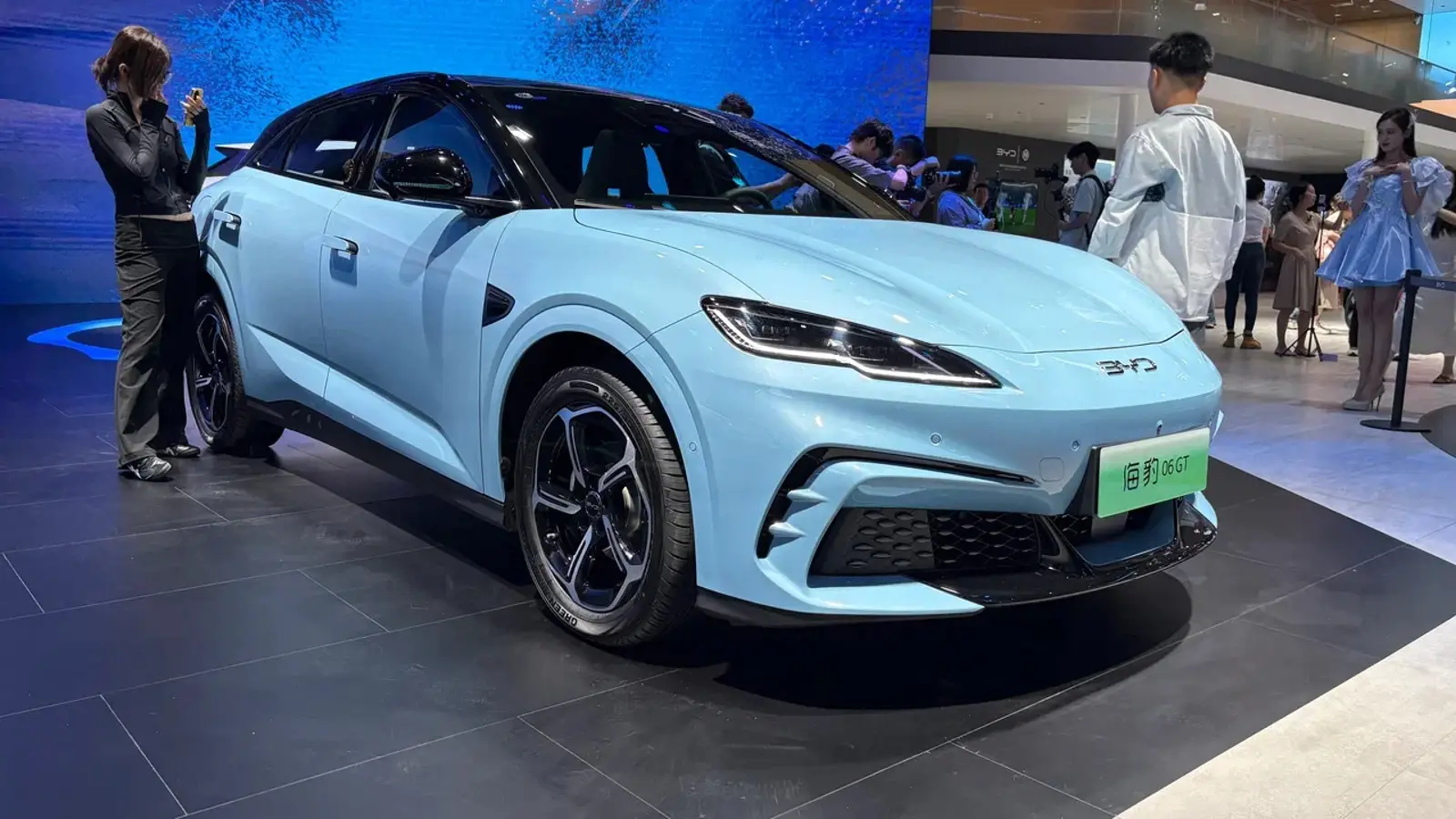
US auto groups warn Trump against easing China EV limits, citing security and competition risks. Explore how tariffs and policy shape market access.
Five major US automotive groups have urged the Trump administration to keep strict limits on Chinese vehicles, warning that any policy shift could open the last major protected market to new competition.
The call follows recent comments from President Donald Trump, who suggested Chinese automakers could enter the US if they build factories locally and create jobs. For the industry, this signals a possible change in direction after years of restrictive trade policy.
The United States remains effectively the only major market where Chinese carmakers are still locked out. This is reinforced by a combination of measures, including 100% tariffs on Chinese electric vehicles under Section 301 and additional restrictions on software and hardware used in connected vehicles.
New rules targeting connected vehicle technologies are set to take effect in stages starting from 2027, banning certain software and components linked to China on national security grounds. Together with tariffs, these policies form a layered barrier that has so far kept Chinese brands out of the US market.
Industry groups argue that the issue goes beyond competition. They describe China’s automotive expansion as a direct threat to US industrial capacity and global competitiveness. A key concern is the scale of government support behind Chinese automakers, which has reached hundreds of billions of dollars over time and enables aggressive pricing and faster product development cycles.
Developments outside the US are reinforcing these concerns. Chinese brands are rapidly expanding abroad as domestic demand slows. In Europe, their market share has already approached 6% in 2025 and is expected to grow further. At the same time, many manufacturers are localising production in overseas markets, reducing the impact of tariffs and easing market entry.
Policy decisions by US allies add another layer of pressure. Canada has introduced a quota allowing limited imports of Chinese EVs at a reduced tariff, raising fears of indirect access to the US market. In Europe, regulators are exploring alternatives to tariffs, including price-based mechanisms.
The shift in global balance is also visible within China itself. Foreign automakers have seen their market share fall sharply, from about 64% in 2020 to roughly 31% in 2025, as local brands gain ground through lower prices, rapid model updates, and strong capabilities in electrification and software.
Industry observers increasingly draw parallels with the rise of Japanese automakers in the 1970s and 1980s. At that time, import restrictions did not prevent structural change: Japanese brands expanded their presence and eventually built production capacity inside the United States.
This precedent shapes current concerns. If restrictions are eased and Chinese companies are allowed to localise production, the US could lose its position as the last major market shielded from Chinese competition.
Allen Garwin
2026, Mar 23 17:44