
BMW Circularity Centre in Wackersdorf: Recycling Shift
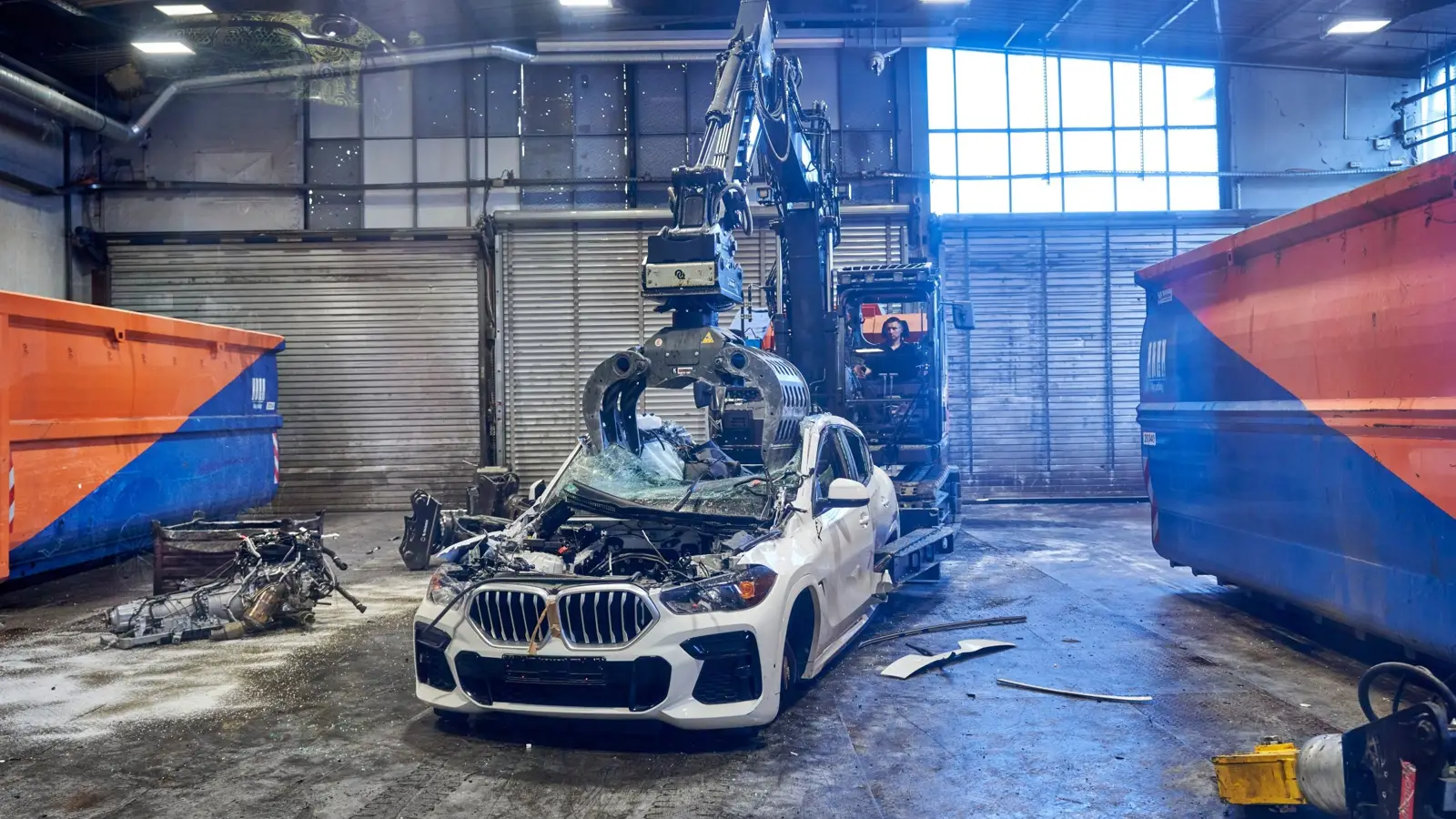
BMW Group plans a new Circularity Centre in Wackersdorf by 2029, expanding recycling, dismantling and material recovery. Learn how this project reshapes its circular economy strategy.
BMW is relocating its vehicle recycling centre to Wackersdorf and expanding it into a new Competence Centre Circularity, scheduled to go into operation in early 2029. The move goes beyond a simple relocation: the company is adding new capabilities, including dismantling technology development, hydrogen vehicle recycling and automation of dismantling processes.
This step is directly linked to how BMW is restructuring its material strategy. The current Recycling and Dismantling Centre already feeds data into vehicle development under the Design for Circularity principle, ensuring cars are easier to dismantle and materials can be reused. The new centre is expected to strengthen this link between design, recycling and material recovery.
The importance of the project becomes clearer in the broader industry context. The European Union is preparing new regulations that require recyclability and reuse to be considered at the design stage, while also increasing the share of secondary materials in vehicles. Proposed rules include targets for recycled plastics and stricter requirements for end-of-life vehicle processing. In this environment, building dedicated circular economy infrastructure is becoming a structural necessity rather than a standalone initiative.
BMW has already started moving in this direction. In 2026, the company announced a partnership with PreZero aimed at creating a closed-loop recycling model for vehicles, covering materials such as steel, aluminium, plastics and battery raw materials. The approach prioritises reuse of components first, followed by material recycling.
The choice of Wackersdorf reflects its existing industrial role. The site already combines logistics operations, component production — including parts for Rolls-Royce — and a battery testing centre backed by an investment of more than €100 million. It also sits within a regional ecosystem that brings together industry and academic institutions working on resource efficiency and sustainability.
The new centre is also designed to address emerging technologies. BMW is preparing series production of hydrogen-powered vehicles from 2028, which makes early development of dismantling and recycling expertise for such systems necessary. At the same time, the company has launched a separate battery cell recycling centre, where recovered materials are fed back into production.
As a result, the Wackersdorf project forms part of a broader system: from designing vehicles with future recycling in mind to building the infrastructure needed to return materials into production cycles. Further details are expected as planning progresses, while the existing recycling centre in Unterschleissheim will remain operational until the relocation is completed.
Mark Havelin
2026, Mar 26 16:22