
Stellantis recall affects 40,000 cars with hybrid engines
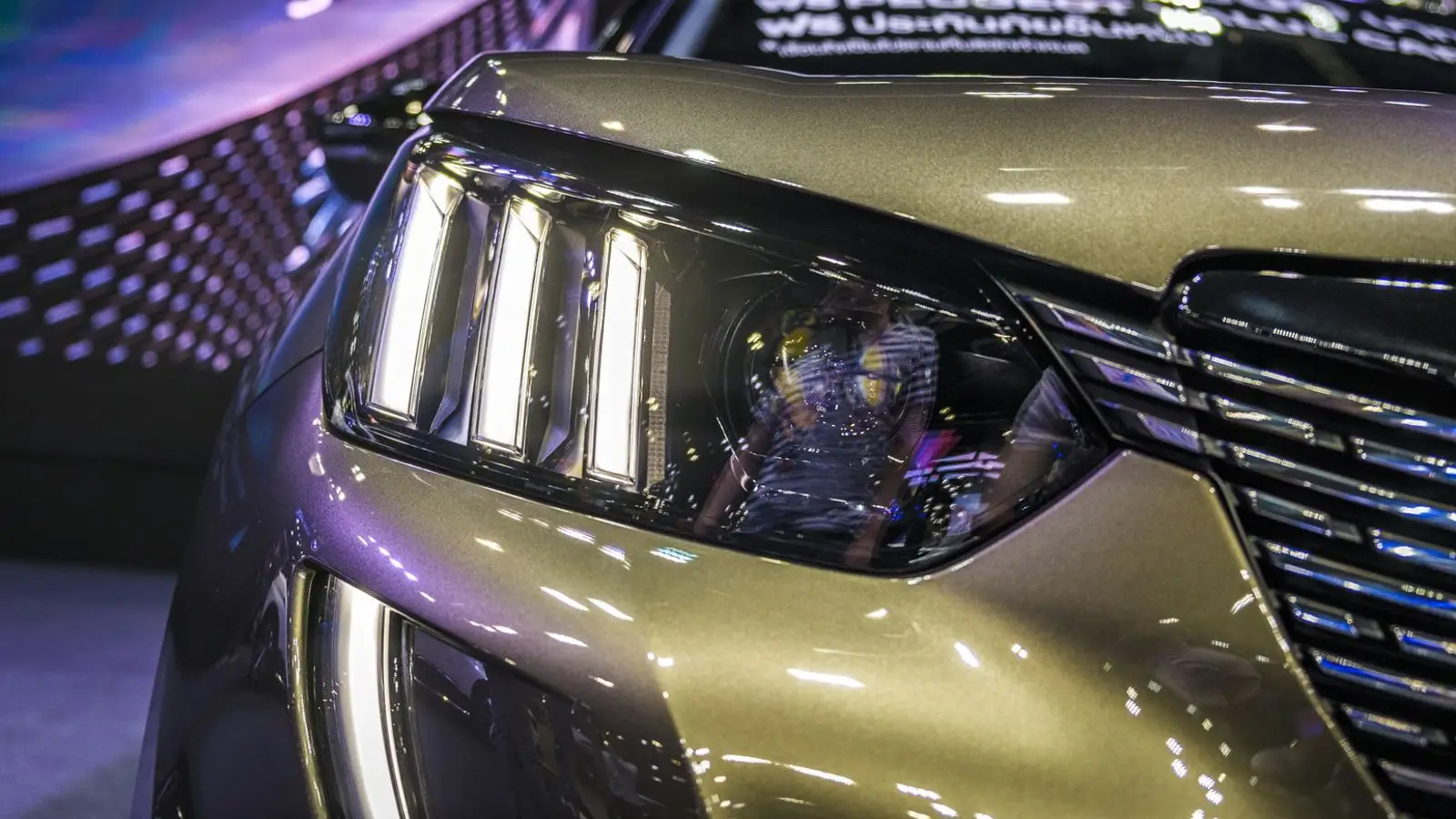
Stellantis recalls over 40,000 vehicles in Spain due to a fire risk linked to 1.2L mild-hybrid engines. Learn which models are affected and what owners should do
Stellantis is recalling tens of thousands of hybrid vehicles — and the cause is a seemingly minor design flaw that has already led to engine bay fires.
More than 40,000 cars in Spain equipped with 1.2-liter mild-hybrid gasoline engines are affected. The issue stems from insufficient clearance between the particulate filter pipe and components of the 48-volt system, particularly the starter-generator. In high-humidity conditions, this can trigger an electrical arc, leading to overheating and, in rare cases, a fire.
Such incidents have already been recorded. Available data points to 36 cases worldwide, including 12 engine bay fires. No injuries have been reported, suggesting the recall is preventive in nature despite the confirmed risk.
The problem is not limited to a single model. It affects a broad range of mass-market vehicles across multiple Stellantis brands, including Peugeot 208 and 2008, Opel Corsa and Mokka, Citroën C3 and C4, Jeep Avenger, as well as models from Fiat, DS, and Alfa Romeo. All of them rely on the latest generation 1.2-liter three-cylinder engine paired with a 48-volt hybrid system widely used across Europe.
The scale extends beyond Spain. In France alone, more than 211,000 vehicles are involved in a similar recall, while cases have also been confirmed in Italy. This points to a Europe-wide issue linked not to a specific model, but to the design of the powertrain itself.
The fix is relatively straightforward. Dealers replace a protective component near the generator with a better-insulated version and adjust the clearance if necessary. The entire procedure takes about 30 minutes and is carried out free of charge.
The powertrain at the center of the issue plays a key role in Stellantis’ strategy. The 1.2-liter turbo engine works with a 48-volt system and an electrified transmission with an integrated electric motor, designed to improve fuel efficiency and reduce emissions. At the same time, this architecture increases packaging complexity under the hood.
In this case, the manufacturer’s response is as important as the defect itself. Stellantis is acting before widespread consequences emerge, addressing the issue quickly and at no cost, helping to limit risks for owners and contain potential reputational damage.
Allen Garwin
2026, Mar 29 20:59