
The Shelby Series 1 Story: Ambition, Engineering, and Failure
.jpg)
An in-depth look at the Shelby Series 1, the first car built from scratch by Carroll Shelby. Explore its engineering, production issues, and legacy today.
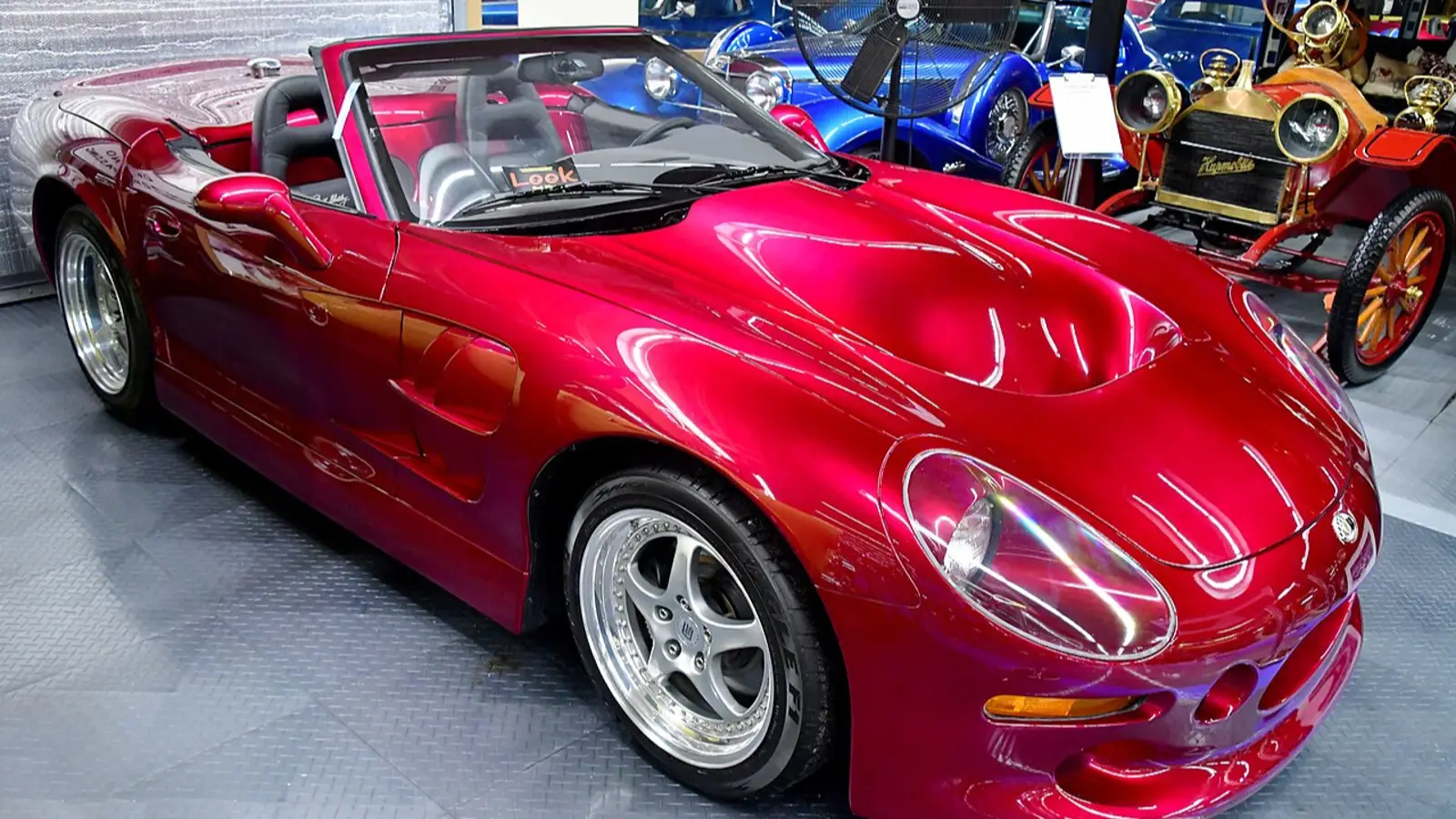
The story of the Shelby Series 1 stands as a rare example where ambition, engineering brilliance, and managerial missteps intertwine into a deeply contradictory result. Conceived as a modern reinterpretation of the legendary Cobra, the car became both a showcase of bold ideas and a lesson in how even a powerful name cannot guarantee success.
By the early 1990s, Carroll Shelby had already secured his place in automotive history. For decades, he had refined and transformed other manufacturers’ cars—from the AC Cobra to the Ford Mustang and even compact models like the Dodge Omni. Yet over time, the desire grew to build something entirely his own—a car shaped from the ground up by a single vision.
This vision materialized as the Series 1, the first Shelby car developed completely from scratch, without relying on an existing platform. On paper, it seemed flawless: a lightweight roadster with an aluminum chassis, composite body, racing-inspired suspension, and a naturally aspirated V8. In theory, it was the perfect formula. In practice, it proved far more complicated.
From the outset, the project depended on cooperation with a major automaker. Producing a road-legal car meant navigating a web of regulations that no small company could handle alone. Shelby partnered with Oldsmobile, planning to use its 4.0-liter Aurora V8 as the heart of the car.
However, the partnership was anything but stable. Funding delays, management reshuffles, and unfulfilled financial promises created constant uncertainty. At one point, Shelby had to secure development funds directly from dealers, offering them early access to future cars in return.
Despite these hurdles, the prototypes unveiled in 1997 generated real excitement. The design blended classic Cobra proportions with a more modern aesthetic, while the engineering impressed on multiple fronts. The aluminum spaceframe was both lightweight and rigid, and the push-rod suspension system echoed solutions typically found in motorsport.
Yet this is where the deeper problems began to surface.
The composite body proved difficult to manufacture. Panels did not fit correctly and required extensive manual adjustment, while the material itself caused paint defects, forcing engineers to apply fillers that added significant weight. A car intended to be exceptionally light grew heavier with each correction.
Chassis production faced its own setbacks. Early manufacturing tools lacked sufficient rigidity, allowing aluminum components to warp as they cooled. This forced production delays and process redesigns.
Even the transmission became a weak point. Without access to GM’s existing solutions, Shelby turned to modified alternatives, some of which arrived with defects—leaks, faulty linkages, or issues severe enough to require full replacement before delivery.
Ironically, the car’s strengths remained undeniable. When functioning as intended, the Series 1 delivered excellent handling, near-perfect weight distribution, and strong performance. Acceleration to 60 mph in around four seconds placed it among the top sports cars of its era.
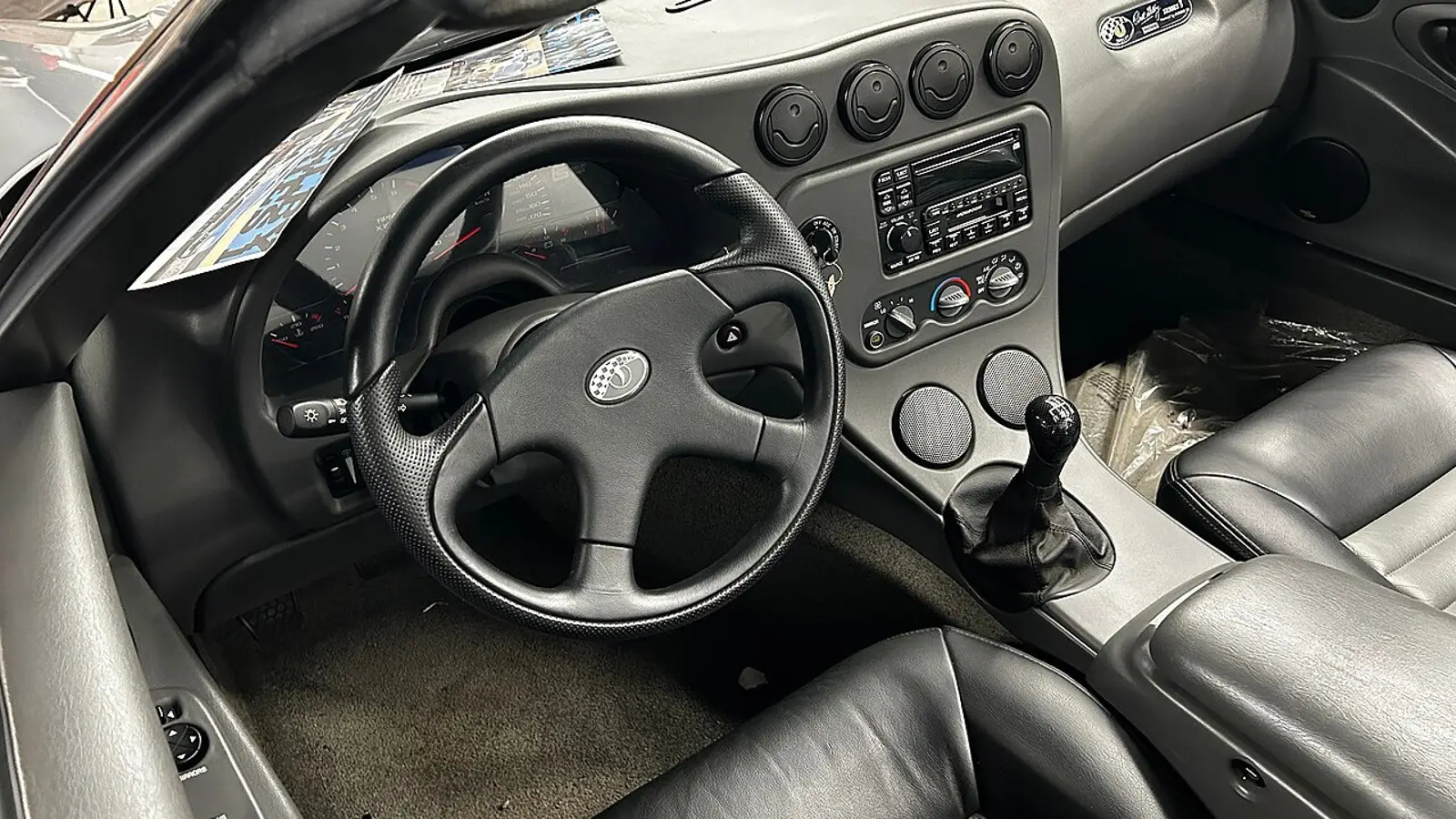

But the market rarely tolerates inconsistency. The original price target of roughly $100,000 eventually ballooned to nearly double that figure due to ongoing fixes and development costs. At the same time, the interior relied heavily on mass-produced GM components, creating a disconnect between price and perceived value.
The result was a paradox: a technically fascinating car that was too expensive, too complex to produce, and too flawed in its early execution. The situation worsened when Oldsmobile was discontinued and regulatory issues prevented further cars from being sold as standard production models.
In total, only about 249 units were built—far short of the planned 500.
Today, the Shelby Series 1 is viewed through a different lens. What once seemed like a failure now appears more like an ambitious experiment—a bold attempt to build the ultimate American sports car in an era that demanded industrial precision over individual vision.
In many ways, the Series 1 feels like a prototype that accidentally reached production. It carries engineering daring, brand charisma, and a sense of incompletion—as if it never quite became what it was meant to be.
And perhaps that is exactly what makes it so compelling today.
Recently, this car reappeared at a Bring a Trailer auction, where an early low-mileage Shelby Series 1 example was listed for sale.
Ethan Rowden
2026, Mar 30 10:10