
CUPRA introduces 3D-knitted seats for Raval EV
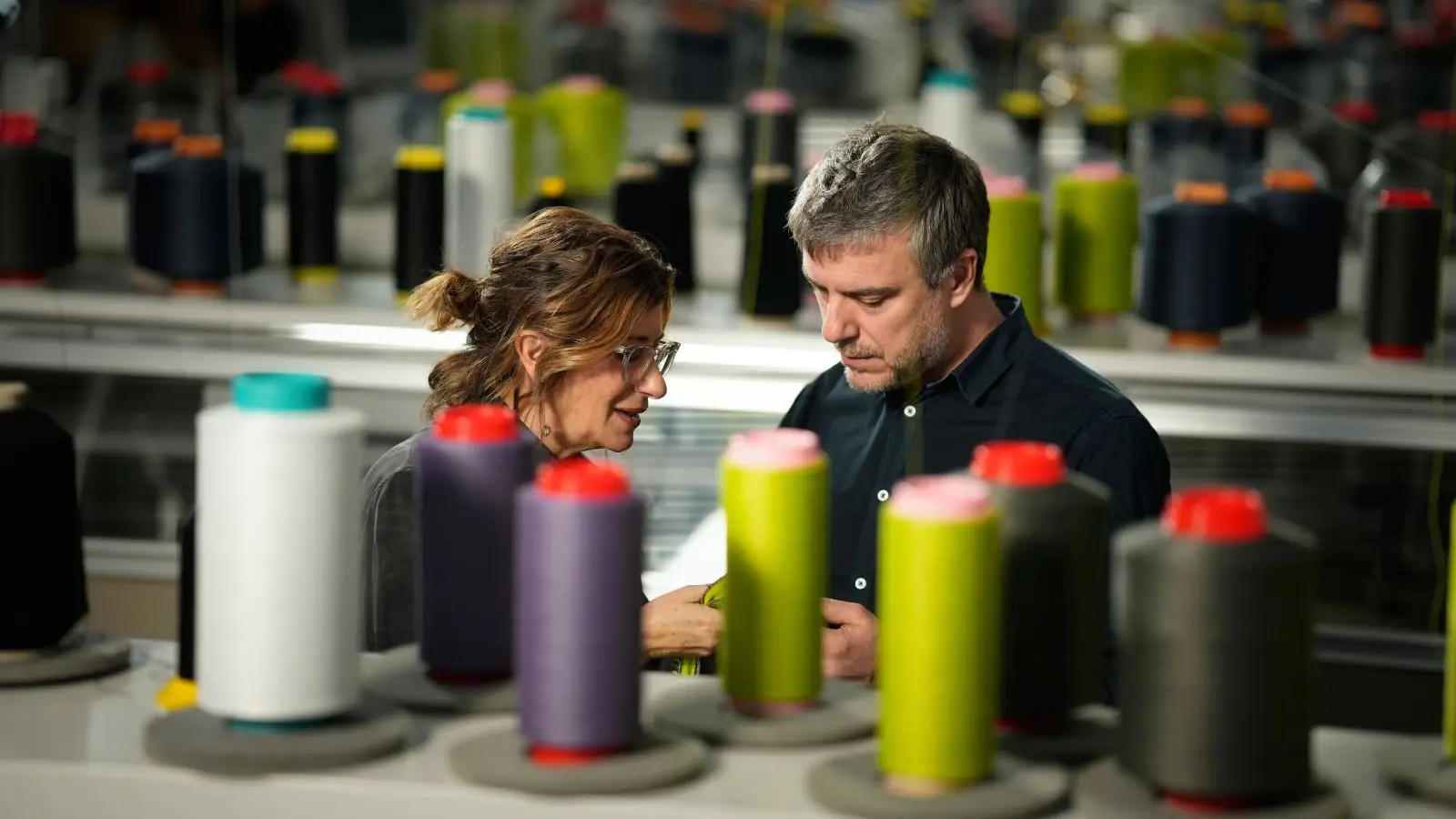
CUPRA presents 3D-knitted seat covers for the Raval EV, made from recycled materials with zero waste production. Explore how this innovation changes car interiors.
CUPRA has introduced a seat that effectively eliminates sewing: the cover for the upcoming electric Raval is produced in a single run on a knitting machine, with no cuts and no waste. For the automotive industry, this represents a rare case where structure, design and manufacturing are merged into one process.
The development concerns the CUP Bucket seats for the compact electric CUPRA Raval, a model designed and set to be produced in Barcelona. The cover is created as a single piece using 3D knitting, integrating patterns, seams and fastening elements at once. The result is a precise fit without additional assembly. According to CUPRA, a process that traditionally involved multiple suppliers has now been reduced to a single partner, Tesca.
This shift changes the production logic. Instead of separate stages such as dyeing, perforating, cutting and stitching, the process becomes fully digital and continuous. Tesca explains that the design is translated into software, allowing machines to knit the entire structure using different yarns in one operation. This approach simplifies the supply chain and makes design updates faster, as colours and shapes can be modified without reconfiguring the entire manufacturing system.
Sustainability is a central element of the project. The yarn is made from recycled plastic collected from the Mediterranean Sea and produced locally near the manufacturing facilities. The entire process is concentrated within roughly 100 kilometres of the vehicle’s production site. CUPRA highlights that this reduces transport and avoids what it describes as “material tourism,” where materials move across multiple locations before final assembly. The material is not only recycled but also fully recyclable.
The use of 3D knitting is already established in other industries, particularly footwear and textiles, where seamless construction and waste reduction are key advantages. In automotive applications, however, it remains limited. Research and pilot projects indicate that the technology can create complex forms directly in their final shape and reduce manufacturing steps. At the same time, requirements for durability, wear resistance and structural stability remain critical factors.
Against this backdrop, CUPRA’s solution goes beyond a design feature and points to a broader shift in how interior components can be produced. The brand has previously used recycled materials in its vehicles, but in the Raval these are combined with a new manufacturing method and a localized supply chain.
The CUPRA Raval is scheduled for its global debut in April 2026, with market launch expected in the summer. Positioned as a compact urban electric vehicle, it is expected to offer a range of up to 450 kilometres and a starting price of around €26,000. The one-piece knitted seat covers are set to become a defining element of its interior design and production approach.
Mark Havelin
2026, Mar 30 17:30