
Porsche 935 History Series Brings Five Key Variants Together
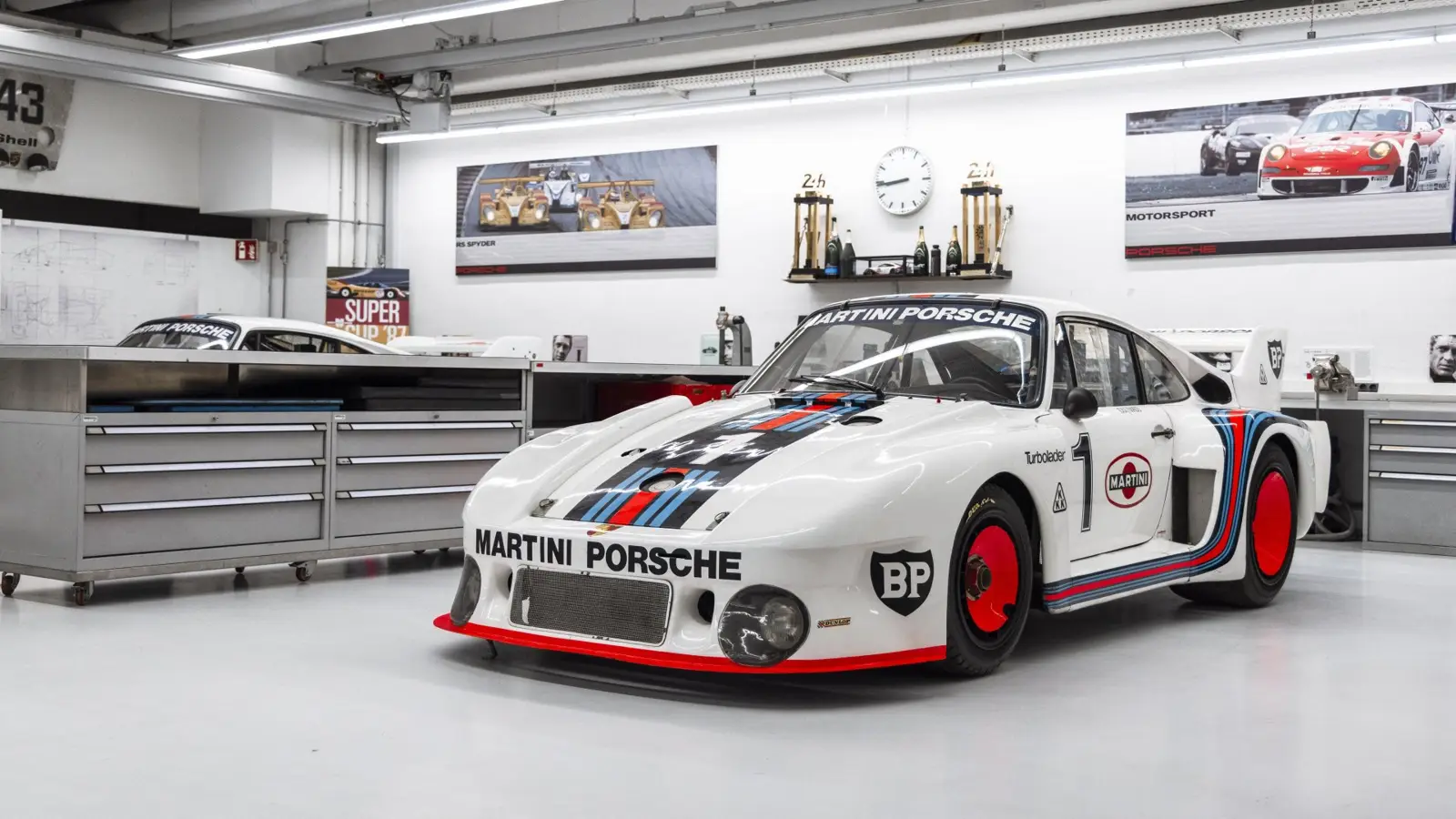
Porsche presents a five-part Heritage Moments series marking 50 years of the 935, uniting key variants and exploring its role in motorsport history. Discover more.
Porsche has brought together five key versions of the legendary 935 for the first time — a racing car that not only defined an era but also secured the brand’s dominance in global motorsport. The occasion marks 50 years since the model’s homologation, coinciding with the “75 Years of Porsche Motorsport” anniversary.
At the center of this project is the “Porsche Heritage Moments” series — five episodes in which Le Mans winner Timo Bernhard and engineer Norbert Singer explore the car’s evolution in detail. For the first time, the original 1976 935, the 935/77, the radical 935/78 “Moby Dick,” the lightweight 935 “Baby,” and an early test prototype are presented within a single narrative.
This format highlights how Porsche worked within the Group 5 regulations, which allowed extensive modifications while maintaining a connection to a production-based model — in this case, the Porsche 911. That flexibility opened the door to significant advances in aerodynamics, construction, and engine development, shaping the car’s competitive edge.
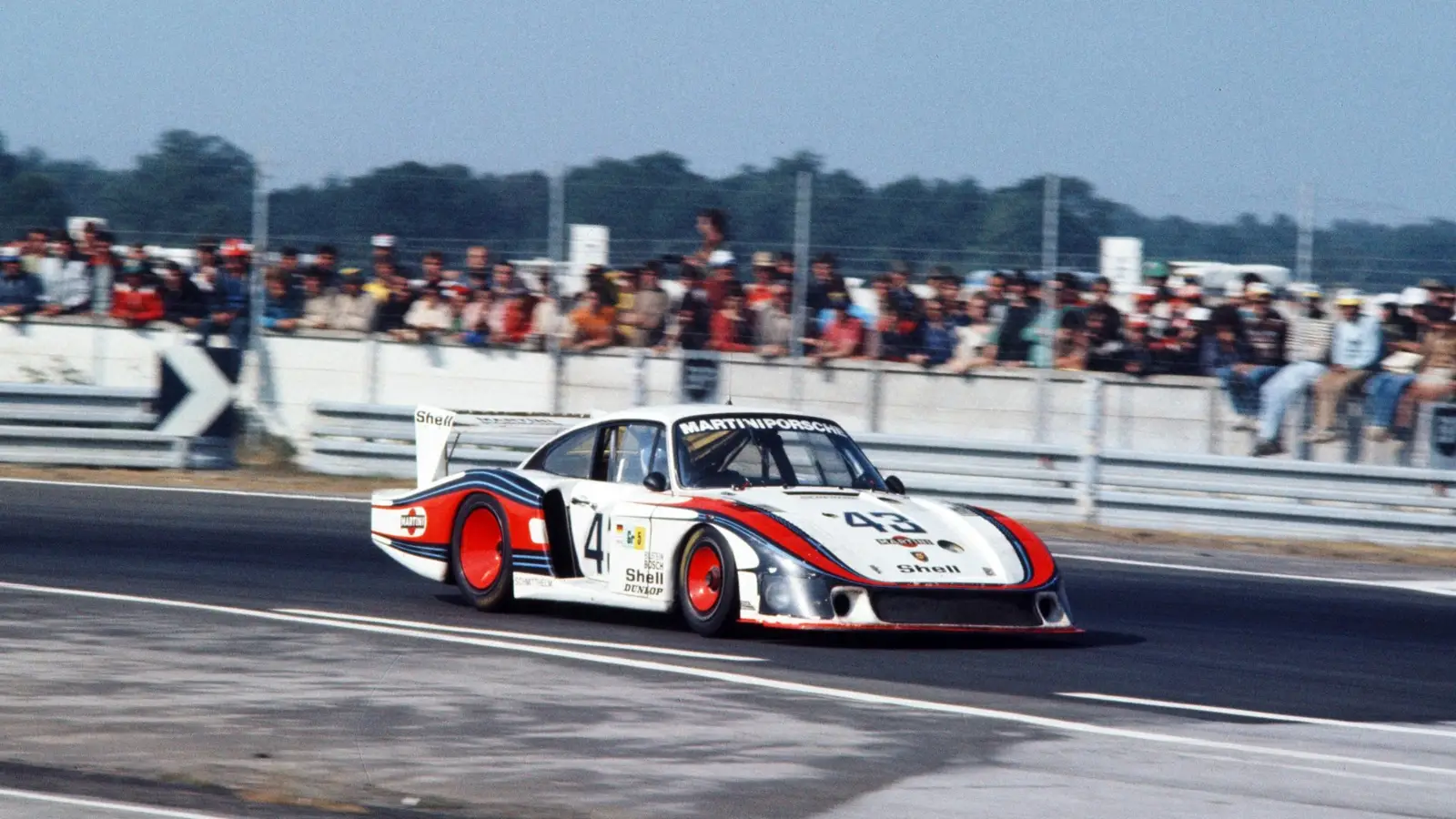
The results were substantial. The Porsche 935 secured four consecutive titles in the World Championship for Makes, dominated endurance racing, and played a central role in one of Le Mans’ most notable outcomes: in 1979, 935 variants filled the entire podium, with a customer-entered 935 K3 taking overall victory. Up to the early 1980s, the model also achieved ten class wins and one overall win at Le Mans.
Each version featured in the series represents a distinct stage of development. The original 935, powered by a turbocharged flat-six producing around 600 horsepower, set the foundation. The 935/77 introduced twin-turbocharging, improving power delivery and drivability. In contrast, the 935 “Baby” pursued extreme weight reduction — at 735 kg with a 1.4-liter engine — enabling success in the lower displacement class.
The culmination came with the 935/78 “Moby Dick,” the most radical interpretation of the concept. With up to 845 horsepower and a top speed of around 366 km/h, it pushed the limits of Group 5 regulations. It also introduced technical solutions such as water-cooled cylinder heads, reflecting ongoing engineering progress.
Equally important is Norbert Singer’s role in the project. His work spans Porsche’s most successful racing cars, including the 935, 956, and 962, with a direct connection to the brand’s Le Mans victories over decades. His insights in the series offer a closer look at how engineering decisions were made and how these cars evolved.
Seen together, these five versions reveal more than individual machines — they show a continuous process of rapid and sometimes radical development. This approach helped Porsche secure a lasting competitive advantage in the 1970s and established the 935 as one of the most significant racing cars in motorsport history.
Mark Havelin
2026, Mar 30 21:13