
Renault presents Twingo E-Tech electric for A-segment
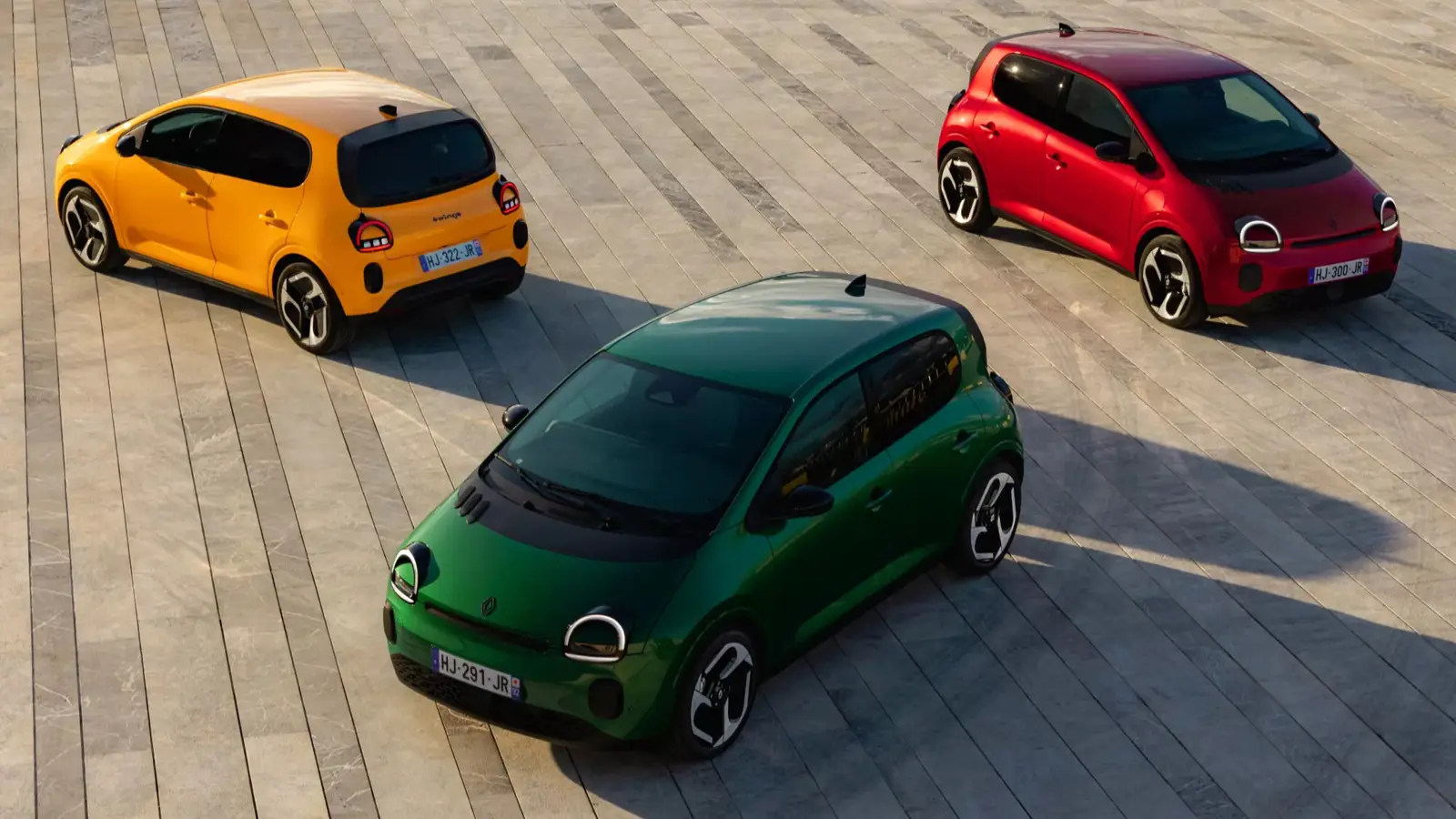
Renault introduces the Twingo E-Tech electric, aiming to revive the A-segment with an affordable EV offering 263 km range and compact urban design. Learn more.
Renault is effectively bringing back the mass-market urban electric car to a segment that has nearly disappeared: the new Twingo E-Tech electric enters the market with a price below €20,000 (before subsidies) and a range of up to 263 km, offering something many manufacturers have abandoned — an affordable compact car for everyday use.
The model represents an attempt to redefine the A-segment, whose share in Europe has fallen to around 5%. At the same time, demand for small and affordable cars has not vanished — the issue has been the difficulty of combining low prices with modern safety and environmental standards. In this context, an electric vehicle built on a simplified architecture appears as a way to restore that balance.
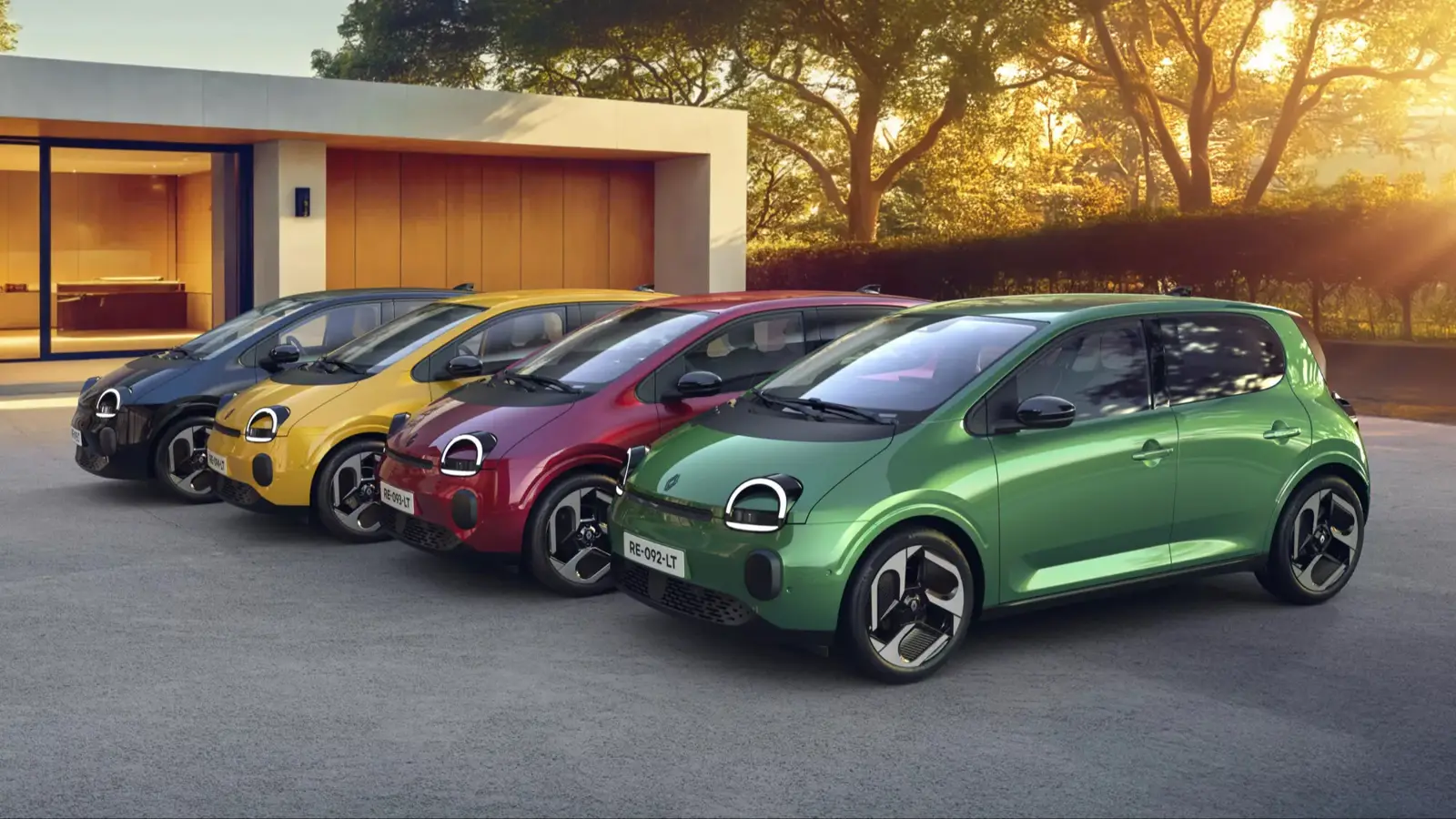
The new Twingo retains the core ideas of the original 1990s model — compactness, versatility, and practicality — but adapts them to the electric era. A five-door layout, individually sliding rear seats, a folding front passenger seat, and flexible interior configurations allow the cabin to adapt to different daily needs, while the overall size remains city-friendly, with a length under 3.8 meters and a tight turning radius.
Technically, the car is built around a 60 kW (82 hp) electric motor and a 27.5 kWh battery. The range reaches up to 263 km WLTP, with a top speed of around 130 km/h. Charging supports up to 11 kW AC and up to 50 kW DC fast charging. Energy consumption is rated at about 12.2 kWh per 100 km.
A key element is the use of an LFP battery, introduced by Renault in this segment for the first time. Based on more widely available materials, it allows the company to reduce battery costs by roughly 20%. This directly supports the main objective of the project: making electric mobility more affordable to produce and own.
The digital experience also moves closer to higher segments. The car features the OpenR Link system with Google integration, a 10-inch central display, a digital instrument cluster, and a range of driver assistance systems that were previously uncommon in this class. Renault is effectively combining affordability with modern connectivity and features.
Development speed is another defining factor. Twingo E-Tech electric became the fastest-developed vehicle in Renault’s history, taking about 100 weeks from project launch to industrialization. This was achieved through a new collaborative model involving Renault’s Technocentre in France, the ACDC engineering center in China, and European production.
Manufacturing is based at the Novo Mesto plant in Slovenia, where Renault has long produced compact models. The production setup is focused on Europe: many suppliers are located nearby, and about 75% of customers are within 1,000 km of the plant. This reduces logistics costs and helps lower the overall carbon footprint.
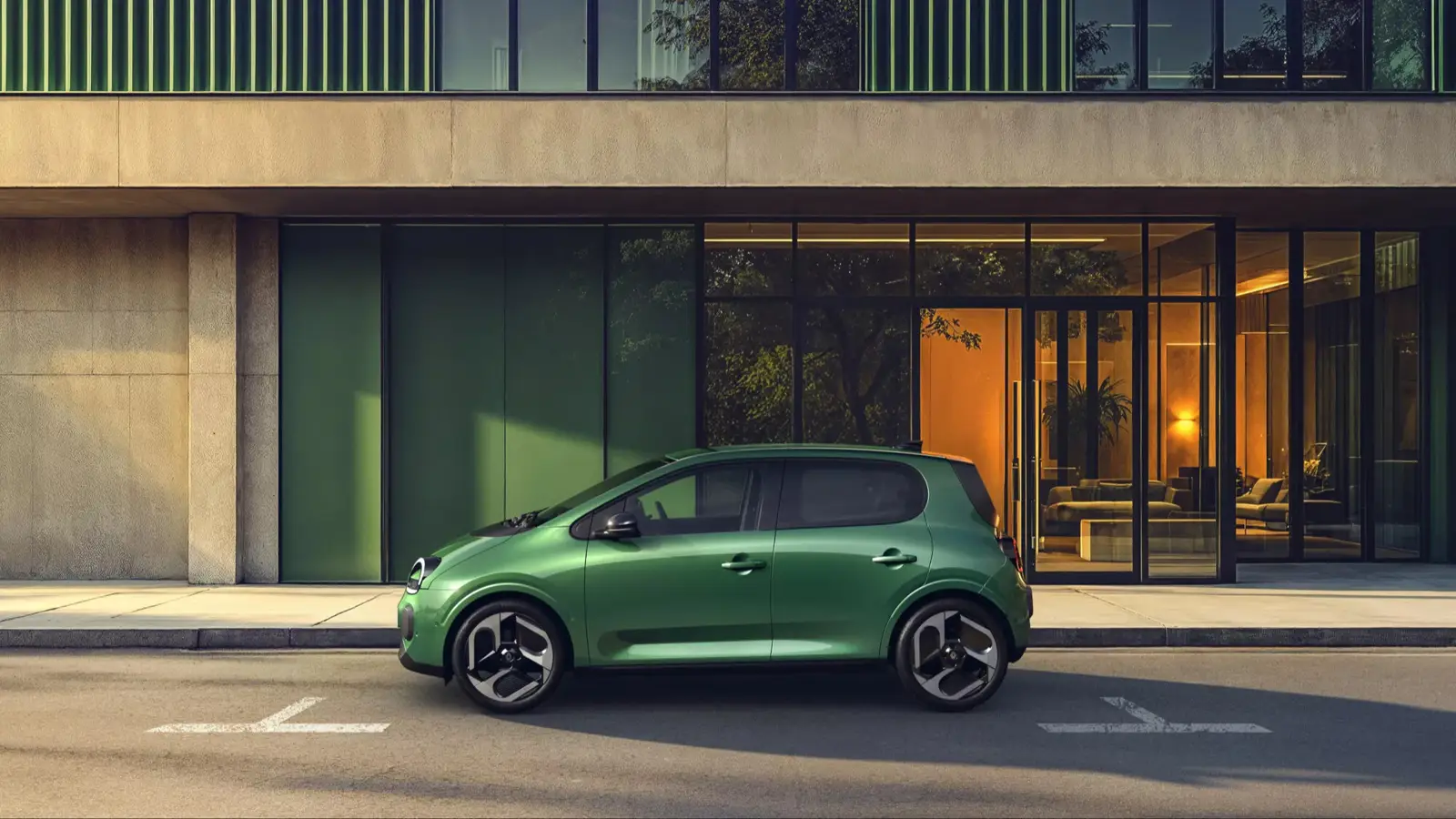
Sustainability is embedded into the vehicle’s design. Renault states that the car reduces its carbon footprint by 60% compared to a comparable internal combustion city car over its lifecycle. The use of low-carbon steel with a high share of recycled materials and the battery design both contribute to this goal.
As a result, Twingo E-Tech electric is more than just a new model — it represents an attempt to reshape the market for affordable urban cars in Europe. Renault is betting on a combination of price, simplicity, and electric technology to offer an alternative to the shrinking pool of traditional small cars.
Mark Havelin
2026, Mar 31 02:33