
Ford introduces electric Transit City for city delivery
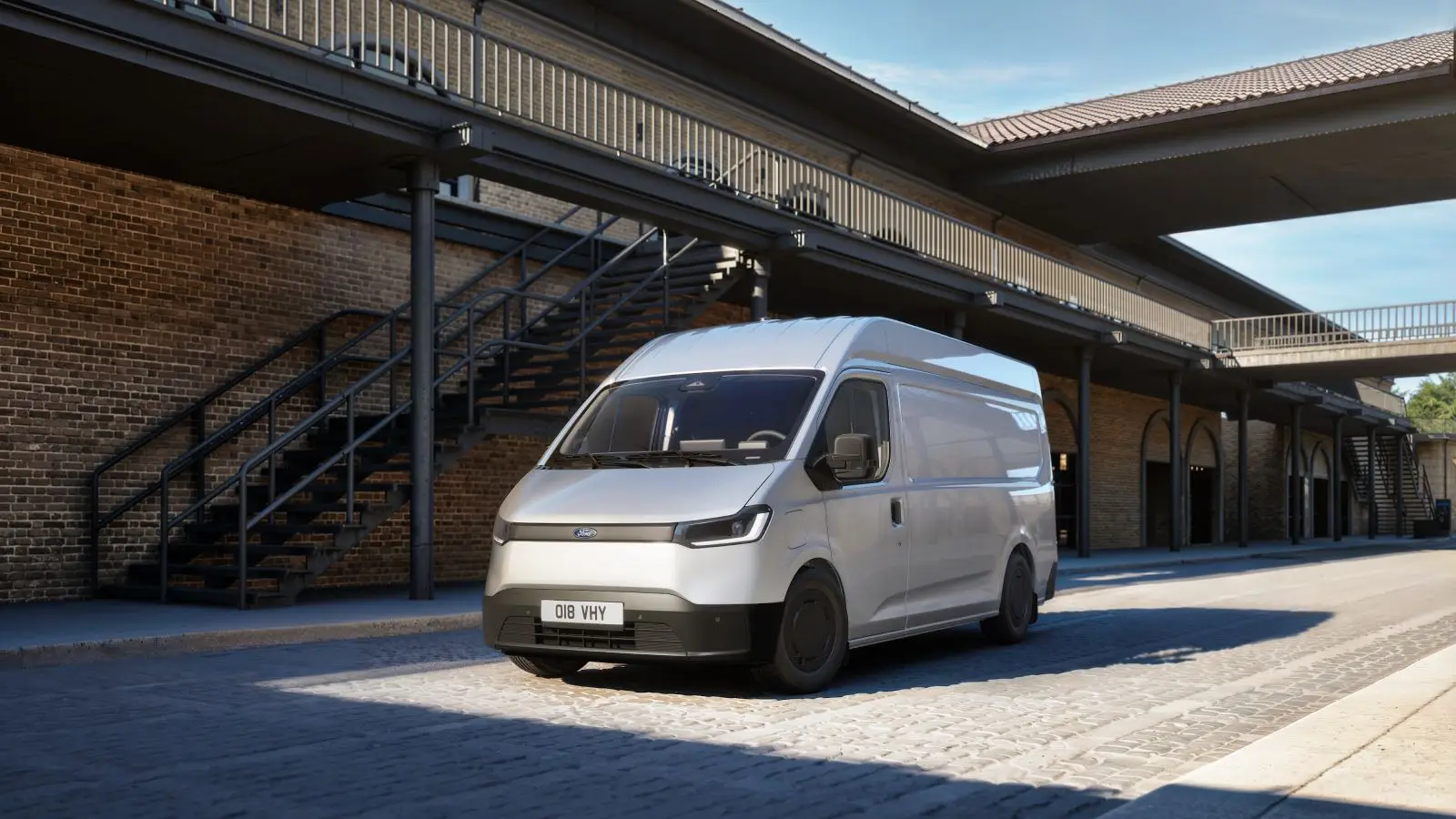
Ford Pro presents the electric Transit City van with up to 254 km range, designed for zero-emission zones and urban logistics. Explore key specs and details.
Ford is launching an electric van that directly responds to restrictions already in place across European cities: from 2025, dozens of municipalities in the Netherlands have introduced zero-emission zones where new combustion-engine commercial vehicles are no longer allowed. In this context, the Transit City is not just an alternative, but a necessary tool for urban logistics.
The new model expands the Transit family and is designed for everyday use in dense urban environments. It features a 150 hp electric motor and a 56 kWh LFP battery, delivering a range of up to 254 km (WLTP). This figure aligns with real-world usage: according to Ford Pro data, around 90% of vans in this segment drive less than 110 km per day.
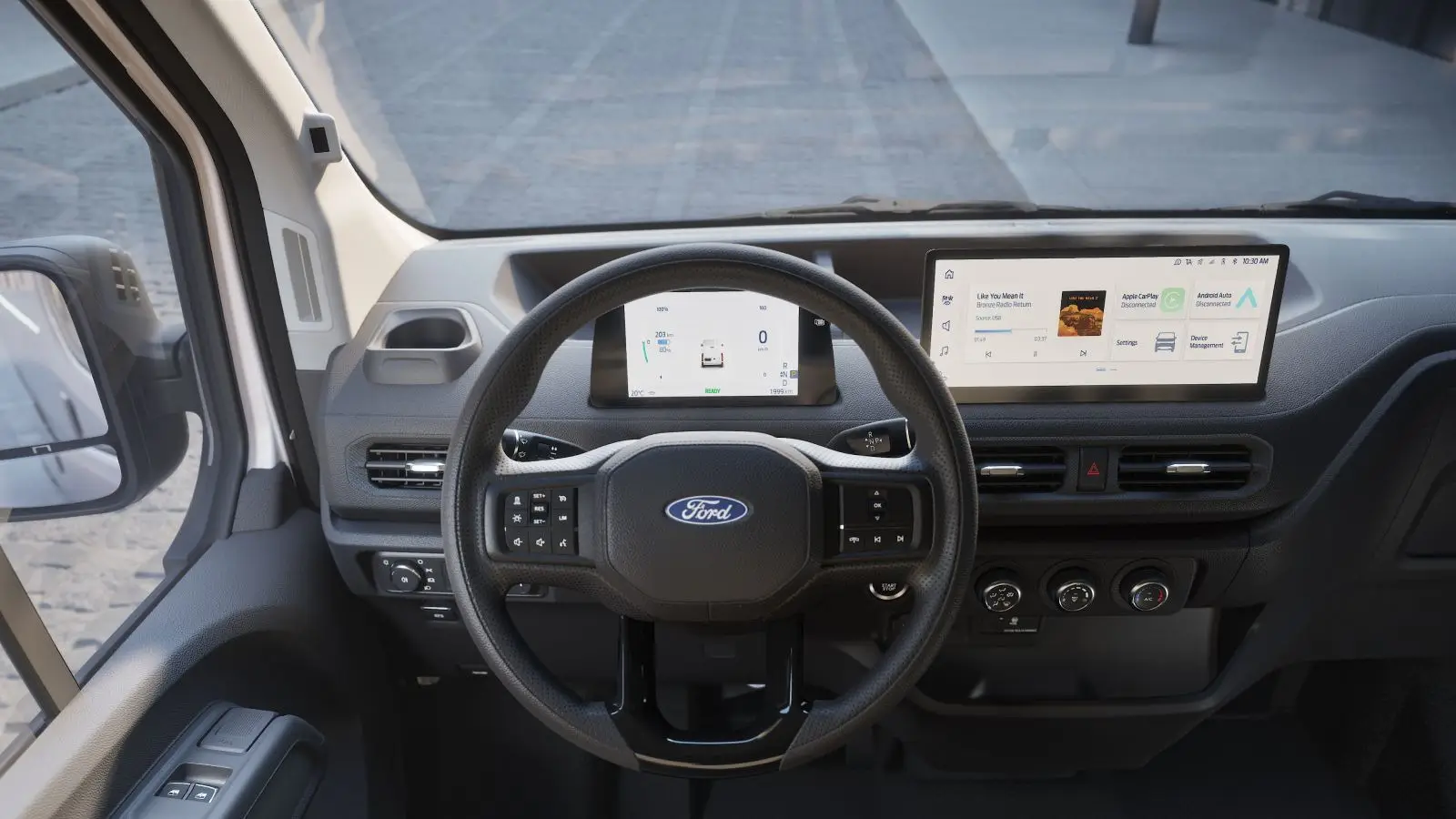
The choice of an LFP battery defines the vehicle’s core concept. This technology is known for durability and thermal stability but offers lower energy density compared to other lithium-ion chemistries. In the case of Transit City, the focus is on longevity and predictable operation rather than maximum range, matching the needs of short, repetitive urban routes.
The van supports 11 kW AC charging, allowing the battery to recharge from 10 to 80% in about 4.5 hours, as well as DC fast charging up to 87 kW, reducing the same interval to around 33 minutes. A 10-minute charge can add approximately 50 km of range, a key factor for intensive daily operations.
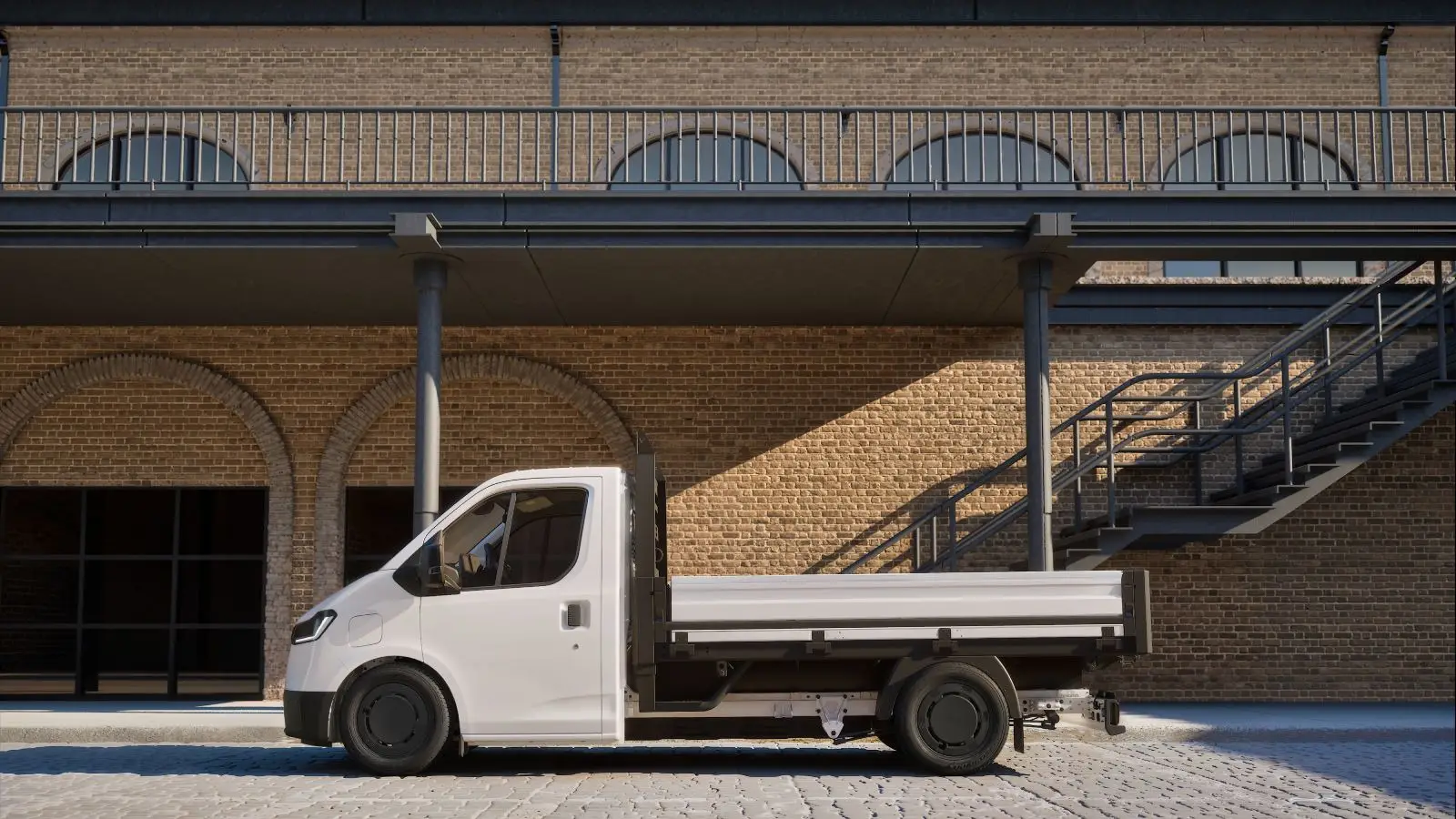
Transit City is available in multiple configurations: a compact L1H1 version for narrow streets, a larger L2H2 variant offering up to 8.5 m³ of cargo space, and a chassis cab designed for specialized conversions. Payload capacity reaches up to 1,235 kg, while the L2H2 version can accommodate up to three Euro pallets.
The model’s relevance becomes clearer when viewed against the structure of urban logistics. Industry studies show that last-mile delivery accounts for more than 50% of total operating costs and a significant share of emissions. At the same time, typical daily routes often stay below 100 km, making electric vans with moderate range a practical solution.
Transit City enters a market that already includes larger electric vans such as the Mercedes eSprinter, Renault Master E-Tech and Peugeot E-Boxer. Ford, however, focuses on a different niche: compact urban transport where maneuverability, frequent stops and access to regulated zones are critical.
The van is integrated into the Ford Pro ecosystem, which includes telematics, charging solutions and service support. In Europe, this network comprises more than 800 Transit Centres and around 500 mobile service vehicles capable of performing a large share of maintenance on-site, reducing vehicle downtime.
Transit City also reflects a broader transformation of the Transit lineup, which dates back to 1965 and is now steadily transitioning to electrification. Order books are set to open in May 2026, with first deliveries expected by the end of the year—at a time when zero-emission requirements in cities are no longer a future scenario, but an operational reality.
Mark Havelin
2026, Mar 31 13:00