
Tesla leadership exits raise concerns over Cybercab rollout
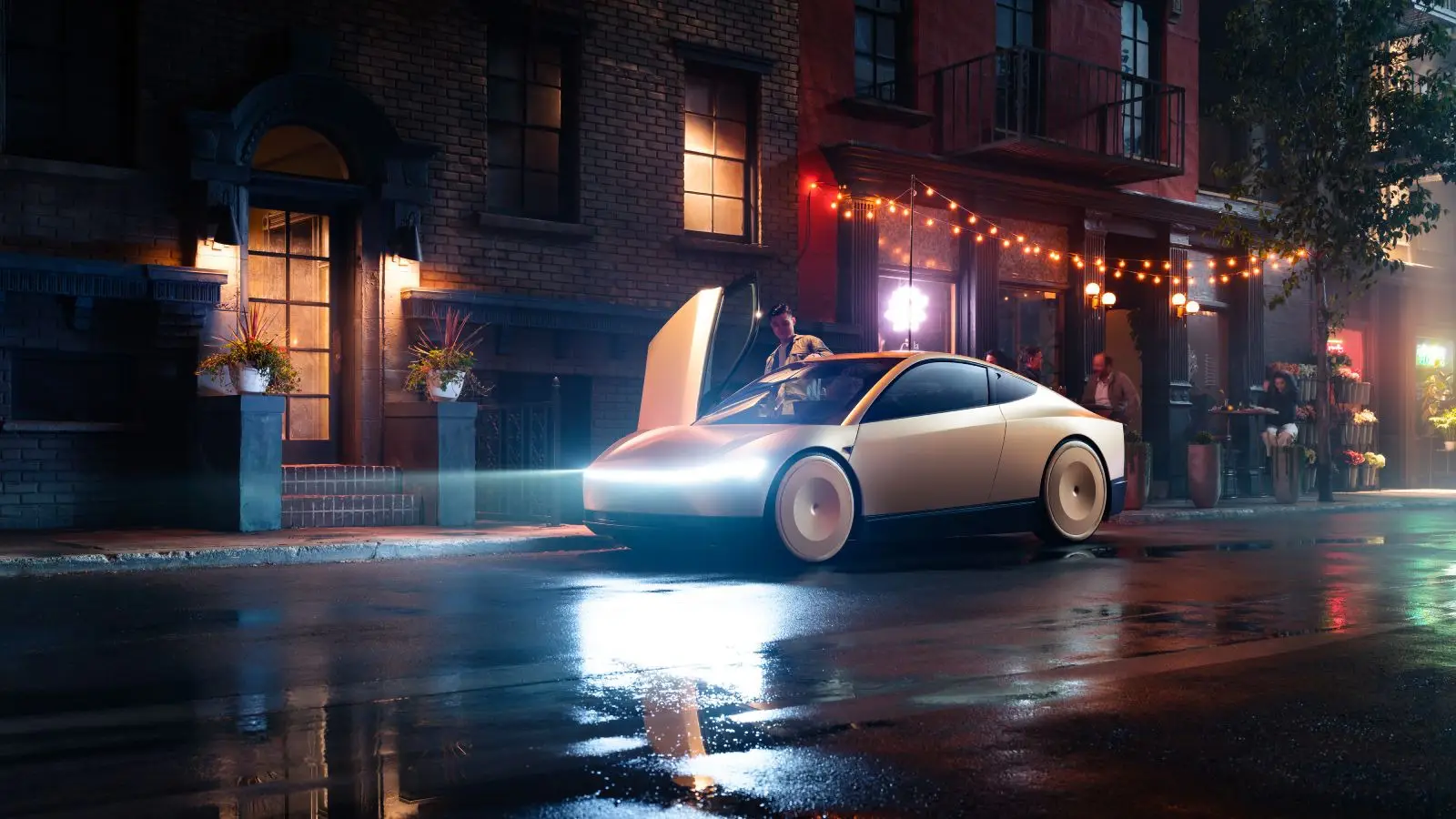
Tesla faces senior leadership departures as Cybercab production nears, raising concerns over autonomy readiness, safety data, and regulatory hurdles. Learn more.
The departure of several senior leaders at Tesla has coincided with a critical phase for the company — the ramp-up of its Cybercab programme. On March 30 alone, two high-level executives left, bringing the total to three key departures within five weeks. As a result, the project has lost its core production leadership just as Tesla prepares to scale output.
This goes beyond routine turnover. The Cybercab is a vehicle with no steering wheel and no pedals, relying entirely on autonomous driving. Such a concept requires not only technological readiness but also regulatory approval. Tesla has not yet secured federal permission to sell vehicles without traditional controls, while current rules limit exemptions to about 2,500 units per year, constraining any near-term expansion.
Data from Tesla’s robotaxi service in Austin adds further pressure. Since its launch in mid-2025, the service has operated within a limited geofenced area using a small fleet of Model Y vehicles, with human oversight still present. Reported figures indicate a crash rate of roughly one incident per 55,000–57,000 miles, compared to about one per 200,000–230,000 miles for human drivers — around four times worse. The system has yet to demonstrate stable fully autonomous performance at scale.
Meanwhile, competitors are advancing more quickly. Waymo, for example, reports over 250,000 paid rides per week and significantly lower crash rates compared to human drivers. The contrast highlights a broader divergence in strategy: Tesla continues to rely on a vision-only system, while others deploy more complex sensor suites.
The issue extends beyond Cybercab. Tesla no longer retains a single original programme manager across its production vehicles, and departures over the past two years have affected nearly every major function, including software, engineering, and manufacturing. Several of those leaving held roles for more than a decade.
Financial indicators also reflect pressure. Consensus forecasts suggest Tesla will deliver around 365,000 vehicles in Q1 2026, a drop of more than 12% compared to the previous quarter. Full-year expectations of 1.69 million units represent only marginal growth over 2025, pointing to a slowdown in the core business.
At the same time, Tesla is shifting resources toward autonomous driving, robotics, and AI infrastructure. The company has already launched its robotaxi service, begun installing Cybercab production lines, and continues to invest in related technologies. However, the combination of leadership departures, regulatory hurdles, and mixed operational results leaves the trajectory of the programme dependent on multiple unresolved factors.
Mark Havelin
2026, Apr 01 09:20